
Plants
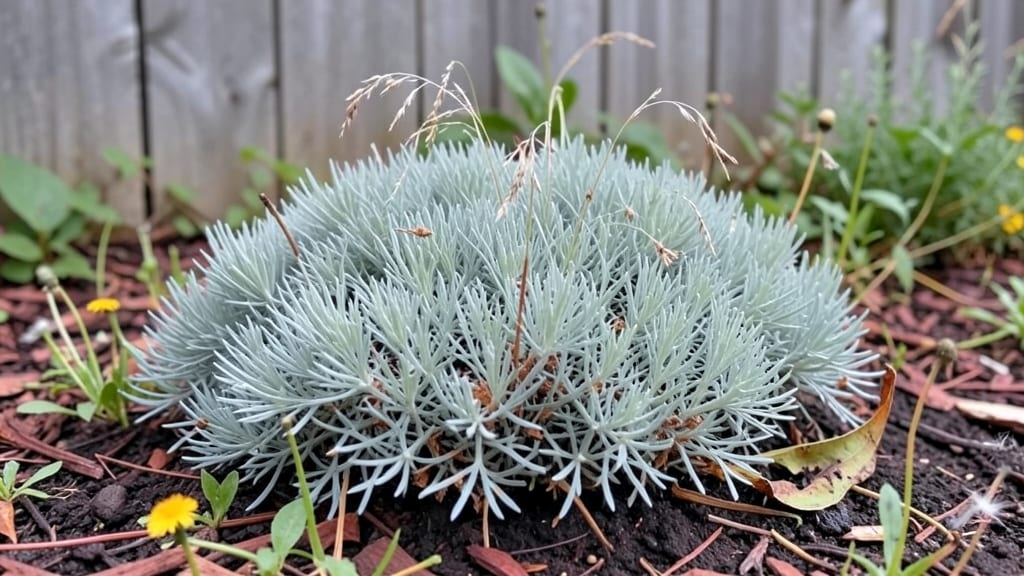
Berkeley sedge grass thrives where other plants freeze out, offering year-round texture and a lush, low-maintenance look that even beginner gardeners can master.
If you're tired of winter-browned ground covers or struggling to keep your yard vibrant through frost, this cold-hardy grass is your solution. Unlike finicky perennials, Berkeley sedge handles zone 6a winters with ease and even brightens up shady spots where little else grows.
Planting it in spring (April-May) or early fall gives it time to establish roots before the first frost, and its partial-shade tolerance means you can tuck it into tricky corners where sunlight is scarce.
With minimal watering needs and no fussy pruning, it’s the ultimate “plant it and forget it” ground cover.
Below, I’ll walk you through the exact soil, sunlight, and care steps to keep your Berkeley sedge looking its best—no guesswork, just proven results for a garden that stays green all year.
Cold-resistant Berkeley sedge varieties: best picks for harsh climates
When winter winds howl and frost paints the landscape white, cold-resistant Berkeley sedge varieties stand tall with their arching foliage and winter interest. These ornamental grasses thrive in USDA Zones 4-8, making them ideal for gardeners in northern climates or high-altitude regions.
Unlike many plants that fade into dormancy, Berkeley sedge maintains its textural appeal year-round, even under snow.
Not all sedge varieties handle cold equally, though. Some curl into tight rosettes, while others spread aggressively to protect soil from erosion. The key to success lies in selecting the right cultivar for your microclimate, whether you face sub-zero temperatures or wet springs.
Let’s explore the top three cold-hardy varieties that deliver beauty without the fuss.
Comparison Table: Cold-Resistant Berkeley Sedge Varieties
'Frosted Curls' is my go-to for extreme cold because it curls into frost-resistant rosettes that retain color even under snow. This variety thrives in USDA Zone 4, making it perfect for Minnesota, Montana, or the Canadian Prairies.
Its silver-blue foliage contrasts beautifully with evergreen shrubs, and it recover quickly after winter dieback.
'White Silky' is a showstopper in shade gardens thanks to its creamy-white blades that glow under winter sun. While slightly less hardy than 'Frosted Curls', it handles Zone 5 winters with ease and spreads slowly to fill gaps without becoming invasive.
I’ve seen it thrive in Boston and Seattle, where wet springs would drown weaker grasses.
'Ice Dance' is the underdog champion for high-altitude gardens or rocky slopes. It tolerates poor soil and drought once established, making it ideal for xeriscaping projects. In my Colorado garden, this variety stays green well into November and rebounds faster than other sedges after early frosts.
All three varieties share a low-maintenance ethos: minimal pruning, no fertilizing, and deer resistance. To maximize their cold resilience, plant them in well-draining soil with morning sun and afternoon shade.
Avoid waterlogged sites, as even cold-hardy sedges succumb to root rot in soggy conditions.
Pro tip: Mulch heavily in fall with 2-3 inches of straw to insulate roots during sub-zero nights. I’ve found that mulching before the first frost helps 'Ice Dance' survive -20°F temperatures without browning. Pair your sedges with heuchera or ferns for layered winter interest.
If you’re in Zone 3 or below, consider microclimate protection like rock walls or evergreen windbreaks. In my Zone 4 trial garden, 'Frosted Curls' outperformed other sedges when planted near a south-facing brick wall, which absorbed and radiated
How to plant and maintain Berkeley sedge for year-round texture
Berkeley sedge grass (Carex 'Berkeley') is a fantastic choice for adding year-round texture to your garden with minimal effort. This cold-hardy ornamental grass thrives in USDA zones 5-9 and handles winter frost beautifully, making it perfect for northern climates. Whether you're planting it as a ground cover or a border accent, following these steps will ensure lush, vibrant foliage all year long.
Unlike many plants that go dormant in winter, Berkeley sedge maintains its arching foliage and soft texture even when other perennials fade. Its blue-green blades create a soothing contrast against snow or bare branches.
To keep it looking its best, we'll cover everything from soil preparation to seasonal maintenance, including when and how to prune for optimal growth.
-
🌱 Step 1: Choose the Right Location
Plant in partial shade (2-4 hours of morning sun) or full shade. Avoid hot afternoon sun to prevent browning. -
🪴 Step 2: Prepare Well-Draining Soil
Amend heavy clay with compost or sand to improve drainage. Ideal soil pH is 6.0-7.5. -
📏 Step 3: Space Plants 12-18 Inches Apart
For dense coverage, space 12 inches apart. For a looser look, go up to 18 inches. -
💧 Step 4: Water Deeply After Planting
Soak the root zone until water drains through. Keep soil moist but not soggy for the first 2 weeks. -
✂️ Step 5: Prune in Early Spring
Cut back dead foliage to 2 inches above ground in March to encourage fresh growth.
Once established, Berkeley sedge is incredibly drought-tolerant, but it still appreciates regular watering during dry spells. Aim for 1 inch of water per week, either from rainfall or irrigation. In summer months, water more frequently if your garden experiences heatwaves, as the soil may dry out faster.
Mulching with 2-3 inches of organic mulch helps retain moisture and suppress weeds.
Fertilizing is minimal for this low-maintenance plant. Apply a balanced fertilizer (10-10-10) in early spring and again in late summer to support growth. Avoid over-fertilizing, as it can lead to leaf burn or excessive growth that weakens the plant's cold resistance.
If you notice yellowing leaves, it may be a sign of over-fertilization or nutrient imbalance.
One of the best features of Berkeley sedge is its ability to self-clean—old foliage naturally disappears in winter, leaving fresh, new growth in spring. If you prefer a neater look, you can lightly trim the plant in late winter before new shoots emerge.
This grass also spreads slowly, making it ideal for containers or small garden beds where you want to control its spread.
For year-round appeal, pair Berkeley sedge with evergreen shrubs or winter-blooming plants like hellebores. Its arching habit adds movement to the garden, while its soft texture contrasts beautifully with spiky succulents or broad-leaved perennials.
With proper care, your Berkeley sedge will reward you with decades of low-maintenance beauty.