
Lawn
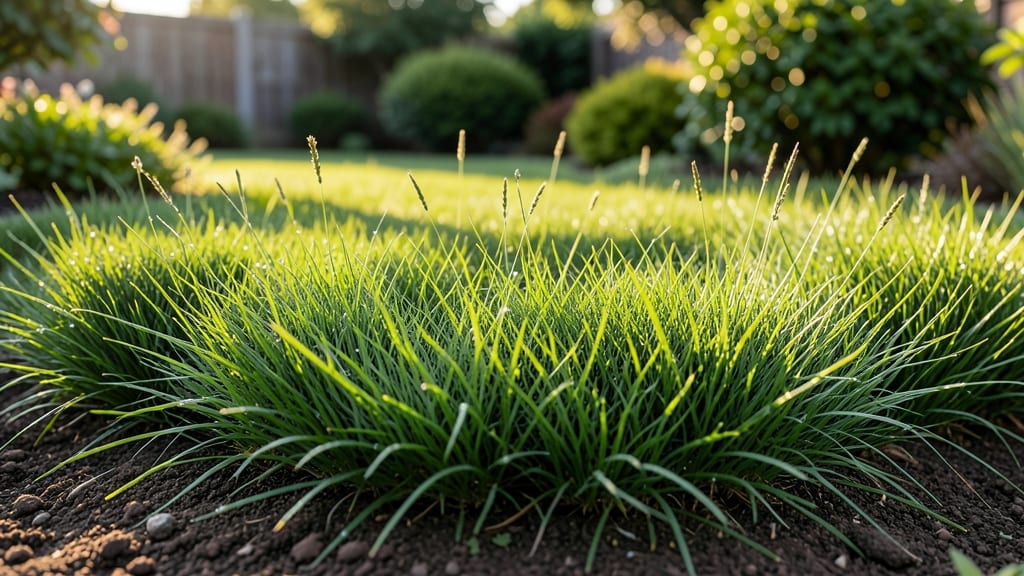
Your dream of a lush, green lawn starts with the right grass for your climate and soil. 🌱 I’ve spent years perfecting my lawn care routine, and the difference between a patchy yard and a vibrant one comes down to three key factors: choosing the right grass type, preparing the soil properly, and sticking to a simple maintenance schedule.
Cool-season grasses like Kentucky bluegrass thrive in northern climates, while Bermuda and Zoysia love the heat of the South. Test your soil first—pH levels can make or break your lawn’s health.
A basic soil test kit (about $15) reveals what nutrients you need to add before planting, whether you’re seeding or laying sod.
Once established, the real secret is consistency: mow high (3-4 inches for most grasses), water deeply but infrequently (1 inch per week), and fertilize just twice a year. Overwatering and frequent mowing are the fastest ways to stress your lawn—and invite weeds.
This approach works for any yard size, from small suburban plots to large rural acres. Let’s get your grass growing strong all year.
📚 In This Guide
- What you need
- Instructions
- Tips and common mistakes
- Wrapping up and next steps
What you need
- ● Grass seed: Choose a blend suited to your climate (e.g., Kentucky Bluegrass, Fescue, or Bermuda). Quantity: ~8–12 lbs per 500 sq ft for new lawns; ~5–6 lbs for overseeding.
- ○ Sod (optional): Pre-grown grass rolls (2–4 sq ft per roll). Quantity: Cover your lawn’s total square footage.
- ● Topsoil or compost: 1–2 inches for seeding; 3–4 inches for bare spots. Type: Well-draining, organic-rich soil.
- ● Fertilizer: Slow-release, high-nitrogen (e.g., 24-0-4) for seeding; balanced (10-10-10) for established lawns. Amount: Follow label rates (typically 1 lb per 100 sq ft).
- ● Mulch or straw: Lightweight, to retain moisture and protect seeds. Quantity: Spread evenly (¼ inch thick).
- ● Lawn mower: Adjustable height (set to 3–4 inches for new grass).
- ● Rake: Bow rake (for leveling soil) + leaf rake (for cleanup).
- ● Broadcast spreader: For even seed/fertilizer distribution.
- ● Garden hose or sprinkler: With adjustable nozzle for gentle watering.
- ○ Soil tester kit (optional): To check pH (ideal: 6.0–7.0).
- ○ Lawn roller (optional): 100–150 lb for pressing sod/seeds into soil.
- ● Weather check: Seed in spring/fall (50–70°F soil temps); sod anytime (but avoid frost).
- ● Sunlight assessment: Measure daily sun exposure (full sun = 6+ hours).
- ● Soil prep: Remove weeds, rocks, and debris; loosen compacted soil with a tiller (if needed).
- ● Water source: Ensure access to a hose or irrigation system.
Step-by-Step instructions for establishing a lush, low-maintenance lawn
Here's how to build a healthy lawn that stays green with less work than you think.
🌱 Step 1: Test and Prepare Your Soil
Before planting, test your soil's pH and nutrient levels using a home kit. Most grasses thrive in soil with a pH between 6.0 and 7.0. If your soil tests acidic or alkaline, you'll need to amend it with lime or sulfur before proceeding. I like to spread the amendment evenly and till it into the top 6 inches of soil.
Clear the area of weeds and debris, then loosen the soil with a rake or rototiller. The goal is to create a 2-3 inch deep seedbed that's free of clumps and rocks. Water the prepared area thoroughly until the soil is 2-3 inches deep moist. This ensures your grass seeds will have plenty of water to germinate once planted.
🌿 Step 2: Choose and Plant the Right Grass Type
Select a grass variety that matches your climate and sunlight conditions. Cool-season grasses like Kentucky bluegrass or fescue work well in northern regions, while Bermuda or Zoysia grasses thrive in southern climates. Spread the seeds evenly using a broadcast spreader or by hand, following the recommended rate on the seed packet.
Lightly rake the seeds into the soil to ensure good seed-to-soil contact. Cover them with a thin layer of ¼ inch of fine soil or compost. This protects the seeds from drying out and birds while allowing sunlight to reach them. Water gently but thoroughly after planting to settle the seeds into the soil.
💧 Step 3: Water Consistently Until Establishment
Keep the soil evenly moist for the first 2-3 weeks after planting. Water lightly every day or every other day, depending on weather conditions. The key is to keep the top 1-2 inches of soil damp but not soggy. You'll know you're doing it right when the soil feels moist but not wet when you check it with your finger.
Once the grass reaches 2-3 inches in height, reduce watering to 1-1.5 inches per week. This encourages deeper root growth and helps the lawn become more drought-tolerant. Avoid watering during the hottest part of the day to reduce evaporation and fungal diseases.
☀️ Step 4: Mow and Maintain for Long-Term Health
Wait until the grass reaches 3-4 inches in height before mowing for the first time. Set your mower blade to 3 inches or higher to encourage deep root growth and shade out weeds. Never remove more than ⅓ of the grass blade at one time, as this can stress the lawn and leave it vulnerable to pests and diseases.
Mow regularly, but adjust the frequency based on growth rate. In spring and fall, you may need to mow every 5-7 days, while in summer, you might only need to mow every 10-14 days. Always mow in different directions each time to prevent soil compaction and encourage upright growth.
✂️ Step 5: Fertilize and Overseed for Year-Round Beauty
Apply a slow-release fertilizer in early spring and again in early fall to provide essential nutrients for growth. Follow the instructions on the package for the correct amount, but generally, ½ pound of nitrogen per 1,000 square feet is a good starting point. Water the lawn thoroughly after applying fertilizer to help it absorb into the soil.
In late summer or early fall, overseed thin or bare areas with the same grass variety. Lightly rake the area to create a seedbed, spread the seeds evenly, and cover them with a thin layer of soil. Keep the area moist until the new grass reaches 2-3 inches in height. This helps fill in gaps and keeps your lawn looking lush year-round.
Tips & tricks for perfect year-round lawn care
Creating a lush lawn takes more than just following the steps—it's about understanding the little details that make all the difference. Here's what I've learned from years of trial and error to help you avoid common pitfalls.
Soil Prep Pro Tip: When amending your soil in Step 1, don't rush the mixing process. After spreading lime or sulfur into the top 6 inches, use a garden fork to gently loosen the soil in sections rather than tilling the entire area at once. This prevents compacting the soil while still incorporating the amendments evenly. I also recommend testing your soil again 2-3 weeks after amending to confirm the pH is in that ideal 6.0-7.0 range before planting.
Seed Planting Strategy: In Step 2, if you're planting in windy conditions, consider mixing your grass seeds with a small amount of sand before spreading. This helps prevent seeds from blowing away while you're working. Another trick: water the area lightly the day before planting to create a slightly damp seedbed—this helps seeds make immediate contact with moisture, giving them a head start on germination.
Watering Wisdom: The 2-3 week watering schedule in Step 3 can be tricky, especially in hot climates. I've found that using a rain gauge or tuna can with measurements marked on the side is the most accurate way to track your 1-2 inches of water. Early morning watering (between 4-8 AM) is ideal because it reduces evaporation and gives grass blades time to dry before evening, which helps prevent fungal diseases.
Mowing Mastery: When adjusting your mower blade height in Step 4, remember that taller grass shades out weeds more effectively and develops deeper roots. If you're dealing with a new lawn, I recommend setting your blade to 3.5 inches for the first few mows to give those young roots every advantage. Also, always sharpen your mower blades before the season starts—dull blades tear grass instead of cutting cleanly, which stresses the lawn.
Pro Tips for Grass And Lawn
- Creating a lush lawn takes more than just following the steps—it's about understanding the little details that make all the difference.
- Soil Prep Pro Tip: When amending your soil in Step 1, don't rush the mixing process.
- Seed Planting Strategy: In Step 2, if you're planting in windy conditions, consider mixing your grass seeds with a small amount of sand before spreading.
Frequently asked questions
How often should I water my grass for a healthy lawn?
Water deeply 2-3 times per week (early morning is best) to encourage deep root growth. Aim for 1–1.5 inches per session—let the top 3–4 inches of soil dry out between waterings to prevent fungal issues. Adjust based on rainfall and grass type (e.g., drought-resistant varieties need less).
When is the best time to seed or reseed a lawn?
The ideal window is early fall (September–October) when soil is warm and cool nights slow weed growth. Spring (March–April) is a close second. Avoid seeding in extreme heat or cold—seedlings struggle to establish roots. For bare spots, overseed after aerating for best results.
Are artificial turf and native grasses really low-maintenance?
Both have pros! Artificial turf cuts water/fertilizer costs but requires occasional cleaning and can get hot. Native grasses (like buffalograss or fescue) thrive with far less water and no pesticides, plus they support local ecosystems. Choose based on your climate, budget, and whether you prioritize eco-friendliness or instant results.
How do I get rid of weeds without harsh chemicals?
Try these natural fixes:
- Hand-pull weeds (like dandelions) when soil is moist—use a tool with a forked end to avoid damaging grass roots.
- Apply corn gluten meal (a pre-emergent) in early spring to block weed seeds.
- Spread mulch or thick grass clippings to smother weeds and retain moisture.
- Use a vinegar spray (1 gallon vinegar + 1 oz dish soap) for spot treatment—test on a small area first!
Why does my lawn turn brown in summer, even with regular watering?
Brown patches in heat are often caused by overwatering (shallow roots suffocate) or drought stress. Let grass go dormant—it’ll bounce back when temps drop. For severe cases:
- Raise your mower height to 3–4 inches to shade roots.
- Avoid fertilizing—it encourages growth when the grass is already struggling.
- Water deeply 2x/week (early morning) instead of daily light sprinkles.
Can I convert my lawn to a "no-mow" or wildflower meadow?
Start by eliminating weeds and grass with glyphosate (follow label instructions), then overseed with native wildflowers or clover. Water occasionally for the first year. Benefits include zero mowing, pollinator support, and reduced water use. Research local native species for best results—some states even offer rebates for lawn conversions!
Wrapping up and next steps
A lush, green lawn isn’t just a dream—it’s an achievable goal with the right knowledge and a little effort!
By choosing the perfect grass type, preparing your soil, and maintaining a consistent routine, you’ll enjoy a vibrant yard that’s the envy of the neighborhood. Remember, consistency is key—whether it’s watering, mowing, or fertilizing, small steps lead to big results.
Ready to transform your outdoor space? Start by putting these tips into action this weekend. Grab your tools, roll up your sleeves, and watch your lawn thrive year-round! 🌱💚