
Pests and Diseases
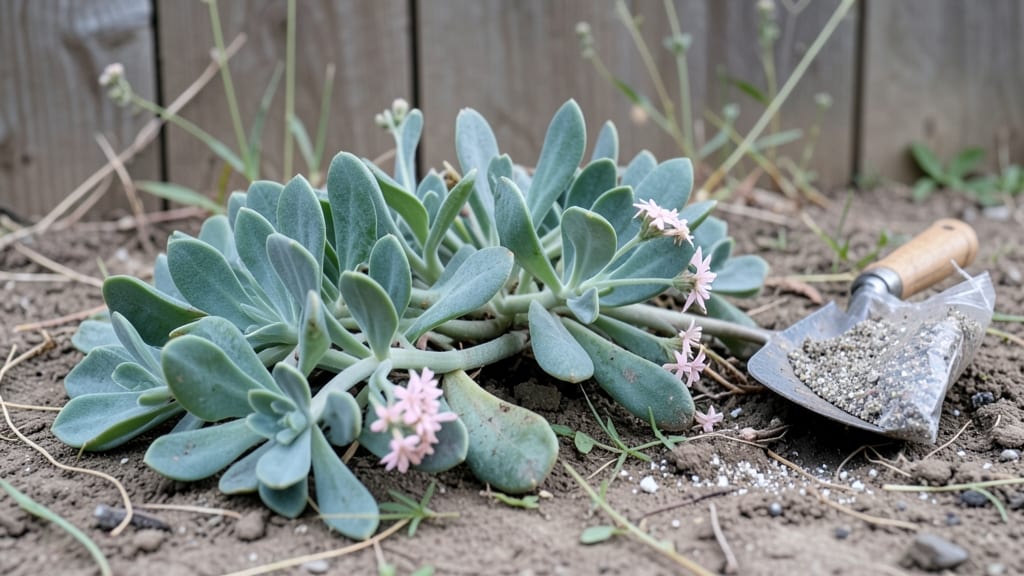
Creating a grass-in-rocks garden transforms dull stones into a living tapestry that thrives with almost no upkeep. 🌿 I stumbled on this design after watching how native grasses spread effortlessly through rocky soil, and the results changed how I think about low-maintenance landscapes.
The secret lies in pairing the right drought-resistant grasses with rocks that mimic natural terrain—no deadheading, no fuss, just year-round texture and movement.
The beauty of this approach is how little it demands: just the right grasses, some river rocks or lava rock, and a sunny spot. I’ve used blue fescue, maiden grass, and feather reed grass in my own design, and they’ve stayed vibrant through droughts and winter freezes.
The rocks provide structure while the grasses soften the look, creating a garden that feels wild yet intentional. Even in hot summers, these plants stay green when many others wilt.
You’ll end up with a garden that looks like it belongs in a desert or a meadow, but requires almost no maintenance. The grasses sway in the breeze, their seed heads add winter interest, and the rocks keep weeds at bay.
It’s the kind of garden that grows more beautiful over time, with colors shifting from spring greens to golden autumn tones. Best of all, it works in containers or sprawling landscapes—no green thumb required.
This design thrives in USDA zones 4-9, making it adaptable to most climates. For colder regions, choose cold-hardy grasses like tufted hair grass, while hotter zones benefit from heat-tolerant varieties like deer grass.
The key is matching the grasses to your local conditions—once you do, you’ll have a garden that’s as resilient as it is stunning.
Root Causes Behind Stubborn Growth
When grass sprouts between rocks in your garden, it’s not just an aesthetic nuisance—it’s a sign that your landscape is playing host to a natural (but unwanted) battle between plants and their environment.
Understanding why this happens is the first step to reclaiming control. Below, we break down the science and environmental triggers that turn rocks into accidental grass incubators.
🌱 Soil leaching and hidden nutrient pathways
Rocks don’t grow grass—the soil trapped beneath or between them does. Over time, organic matter like leaves, mulch, or even decomposed plant material accumulates in the crevices. This "hidden soil" becomes a nutrient-rich micro-ecosystem, even if the surface looks barren. Here’s how it works:
- Water retention: Rocks absorb and slowly release moisture, creating a damp, oxygen-rich zone where grass seeds germinate. Think of it like a natural irrigation system—except it’s working against you.
- Mineral breakdown: Some rocks (like limestone or granite) weather over time, releasing minerals like phosphorus and nitrogen. These act as fertilizer, fueling grass growth even in seemingly inhospitable spots.
- Root infiltration: Grass roots from nearby lawns or beds can sneak into rock gaps, seeking out these hidden pockets of soil and moisture. Once established, they send seeds or runners into the cracks.
Actionable fix: If you’ve got a rock garden, prevent soil buildup by lining crevices with landscape fabric or using larger, tightly fitted rocks (less than 1-inch gaps). For existing growth, target the soil, not just the grass.
🌧️ Microclimates: the perfect grass growth incubator
Rocks create tiny, self-sustaining ecosystems with ideal conditions for grass—even in dry climates. These "microclimates" defy the macro weather, trapping warmth, humidity, and shade in ways that encourage growth. Here’s the breakdown:
| Factor | How It Helps Grass | How to Disrupt It |
|---|---|---|
| 🔥 Heat absorption | Rocks soak up sunlight during the day, radiating warmth at night. This extends the growing season for grass, even in cooler months. | Use light-colored rocks (they reflect heat) or add a thin layer of gravel to reduce soil warmth. |
| 💧 Humidity traps | Rocks hold moisture from dew, rain, or irrigation longer than open soil, keeping the root zone damp. | Improve drainage with perforated landscape fabric or sand layers beneath rocks. |
| 🌿 Shade pockets | Overlapping rocks create shaded micro-zones where grass thrives without direct sun stress. | Space rocks at least 2 inches apart or use upright stones to minimize shade. |
Pro tip: 🌡️ If your rock garden stays damp for more than 24 hours after rain, you’ve got a grass magnet on your hands. Fix it with better grading or a French drain.
🌾 Seed dispersal: nature’s sneaky delivery system
Grass doesn’t just grow in rocks—it gets planted there by forces you can’t see. Wind, wildlife, and even your own tools spread seeds into every nook and cranny. Here’s how:
- Windborne seeds: Grass seeds are lightweight and travel easily. A gust can carry them for miles, landing in rock crevices where they germinate if conditions are right.
- Animal hitchhikers: Birds, squirrels, and even insects carry seeds in their fur or nests, dropping them into rock gardens. (Yes, even your "clean" garden is a buffet for critters.)
- Human error: Raking, mowing, or even walking can dislodge seeds from lawns or beds, sending them flying into gaps. That "clean" sweep of the driveway? It’s a seed-launching pad.
- Water spread: Irrigation systems or rain can splash seeds from nearby soil into rock areas, where they take root.
Prevention strategy: 🎯 Block seed entry points with hardware cloth (1/4-inch mesh) laid under rocks before installation. For existing gardens, smother bare soil with gravel or pine straw to starve out new seeds.
Now that you know why grass invades rock gardens, the next step is how to stop it. The good news? Science gives us tools to outsmart nature—and reclaim your zero-maintenance oasis.
Fixing Unwanted Grass Growth in Rock Gardens
If grass has invaded your rock garden, don’t panic—this is a fixable problem! The key is to tackle the root causes (literally) with targeted solutions. Below, we’ll map common issues to practical fixes, plus prevention tips to keep your rock garden lush and weed-free.
🌱 Overrun by Grass? Try These Fixes
🔥 Blocking grass before it starts
Cause: Grass seeds or runners spreading from lawns, sidewalks, or nearby soil. Fix:
- Landscape Fabric Barrier: Lay a thick layer of landscape fabric (3–4 mm) under rocks, securing edges with rocks or pavers. This blocks grass seeds while allowing water drainage.
- Mulch Heavily: Use 2–3 inches of gravel, decomposed granite, or coarse sand over the fabric to smother grass and retain moisture.
- Pre-Emergent Herbicide (Optional): Apply a corn gluten meal (natural pre-emergent) in early spring to prevent grass seeds from germinating.
💡 Pro Tip: Skip the cheap plastic fabric—it degrades in 1–2 years. Opt for woven landscape fabric for long-term protection.
🍳 Grass Sprouting Between Rocks? Pull It Early
Cause: Existing grass roots pushing through gaps in rocks or soil. Fix:
- Manual Removal: Use a weeding tool or your fingers to pull grass before it develops deep roots. Aim for the whole root to prevent regrowth.
- Vinegar Solution (Natural Kill): Mix 1 gallon white vinegar + 1 cup salt + 1 tbsp dish soap. Spray directly on grass (avoid desirable plants). Reapply every 2–3 days until dead.
- Boiling Water: Pour boiling water into grass crowns—it kills the plant instantly without harming rocks.
✨ Quick Fix: For stubborn grass, try a hula-hoop method: Place a hula hoop over the area, fill it with boiling water, and let it soak for 10 minutes. Repeat weekly until gone.
👨🍳 Preventing Future Grass Growth
Cause: Poor soil prep or lack of maintenance letting grass take over. Fix:
- Rock Depth Matters: Use rocks at least 2 inches thick—this starves grass by blocking sunlight to the soil below.
- Edging Trick: Install metal or plastic edging around the garden’s perimeter to stop grass from creeping in.
- Regular Inspections: Check for grass every 2–4 weeks, especially after rain (when seeds germinate fastest).
🎯 Long-Term Hack: Plant ground covers like creeping thyme or sedum between rocks. These crowd out grass naturally while adding color!
⏰ When to Act? Seasonal Timing Matters
| Season | Action | Why? |
|---|---|---|
| Spring | Apply pre-emergent herbicide or corn gluten meal. | Grass seeds germinate early in warm weather. |
| Summer | Pull weeds manually or use vinegar spray. | Heat dries out grass, making it easier to remove. |
| Fall | Reapply landscape fabric or top-dress with gravel. | Cool temps slow grass growth—ideal for prevention. |
| Winter | Inspect for exposed soil and add mulch. | Prevents seeds from blowing in during windy months. |
With these steps, your rock garden will stay grass-free and vibrant with minimal effort. The secret? Act fast, block light, and stay consistent—grass won’t stand a chance!
Frequently asked questions about rock gardens with grass
What are the best grass varieties for rock gardens?
Drought-resistant grasses like blue fescue, maiden grass, or deer grass thrive in rocky environments. These varieties tolerate poor soil, require minimal water, and add movement and texture. For colder climates, try tufted hair grass, while hotter zones benefit from feather reed grass.
How do I prevent grass from growing between rocks?
Use landscape fabric under rocks to block seeds, then cover with 2-3 inches of gravel. For existing grass, pull it early or apply a vinegar solution (1 gallon vinegar + 1 cup salt). Regular inspections after rain help catch new growth before it spreads.
Can I use regular lawn grass in a rock garden?
No—regular lawn grass needs frequent watering and rich soil, which rocks don't provide. It will quickly die or become invasive. Stick to native, drought-tolerant grasses designed for rocky landscapes. These varieties naturally adapt to the harsh conditions while requiring almost no maintenance.
What’s the ideal rock size for a grass-in-rocks garden?
Use rocks at least 2 inches thick to block sunlight from reaching soil below. Larger rocks (3-6 inches) create better microclimates for grasses while preventing weeds. Smaller rocks leave gaps where grass seeds can germinate—aim for tight fits with minimal empty space.
How often should I water a grass-in-rocks garden?
Water deeply once every 2-3 weeks after establishment, depending on rainfall. Drought-resistant grasses store water efficiently, so overwatering can cause rot. Check soil moisture—if the top inch is dry, it's time to water. Mulch with gravel to retain moisture between waterings.