
Landscaping
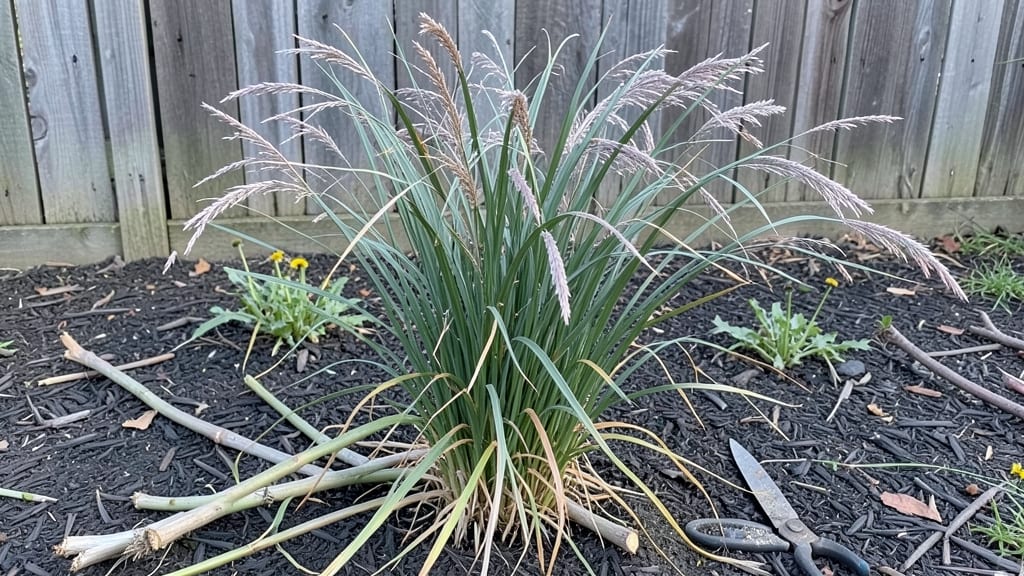
Your maiden grass maintenance routine starts with a single, game-changing rule: cut it back in late winter—before new growth appears.
I’ve watched this tall, airy grass transform from a wild tangle into a structured focal point just by timing the prune right, and it’s the secret to keeping it lush without the fuss.
The rest is simple: water deeply but infrequently—think 1-2 inches per week—and let the roots stretch deep. Maiden grass thrives in well-draining soil but won’t fuss if you forget to amend it.
The real magic happens in winter prep: bundle the stems loosely and cover with burlap to protect from harsh winds, or leave them standing for winter interest.
By summer, you’ll have arching plumes that sway in the breeze, with minimal pests or diseases to worry about. The only challenge? Keeping it from spreading where you don’t want it—just dig up rhizomes at the edges once a year. That’s it. No chemicals, no guesswork, just effortless elegance.
Works for every variety—whether it’s the feathery Miscanthus sinensis or the bold Panicum virgatum. Here’s how to keep yours thriving all year, with zero stress. Let’s get started.
📚 In This Guide
- What you need
- Instructions
- Tips and common mistakes
- Wrapping up and next steps
What you need
- ● Pruning shears or hedge clippers: Sharp, bypass-style (for clean cuts). Size: 6–8" blades for precision.
- ● Heavy-duty gloves: Leather or cut-resistant (maiden grass has serrated edges!).
- ○ Pruning saw: Optional but handy for thick stalks (10–12" curved blade).
- ● Garden rake: Bow rake with 3–4" tines for debris cleanup.
- ● Balanced fertilizer: 10-10-10 or 20-20-20 (spring/fall). Amount: 1 lb per 100 sq ft.
- ○ Mulch (optional): Shredded bark or pine straw (2–3" layer) to retain moisture.
- ● Winter: Burlap or frost cloth: For tender varieties in zones <5–7 (10' x 10' roll).
- ● Anti-desiccant spray: Wax-based (e.g., Wilt-Pruf) to prevent drying.
- ● Pests/Disease: Fungicide: Copper-based for rust/leaf spot (follow label rates).
- ● Insecticide soap: For aphids/spider mites (spray in early morning).
- ● Check soil pH: Aim for 6.0–7.0 (test kit: ~$10). Adjust with lime/sulfur if needed.
- ○ Watering can or hose: Soaker hose (optional) for deep, slow watering (1" per week).
- ○ Fire extinguisher: Optional but wise if burning debris (check local burn laws!).
Step-by-Step guide for maiden grass maintenance
Here's how to keep your ornamental grass thriving with minimal effort.
Prune in Late Winter or Early Spring
Wait until new growth appears—usually in late February to March—before cutting back. Maiden grass stays attractive even when dormant, but removing old foliage makes room for fresh shoots. Use sharp pruners or clean shears to cut the clumps down to 2-3 inches above the ground. This mimics its natural growth cycle and prevents the plant from looking overgrown.
Here's the thing—don't rush the pruning. If you cut too early, you risk removing new buds hidden in the old growth. I like to wait until I see bright green shoots emerging from the center. This ensures you're only trimming dead material and not sacrificing next season's growth.
Water Deeply During Establishment and Drought
For the first year after planting, water maiden grass once a week to encourage deep root growth. After that, it becomes drought-tolerant, but deep watering every 2-3 weeks keeps it lush. The key is soaking the soil until water runs out the drainage holes—this prevents shallow roots that dry out quickly.
You'll know it's time to water when the soil feels dry 2-3 inches down. Maiden grass shows stress by turning brown at the tips, but it recovers quickly once moisture returns. Once established, it handles dry spells better than most ornamental grasses, so don't overwater—this plant hates soggy roots.
Fertilize Lightly in Early Spring
Apply a balanced, slow-release fertilizer (10-10-10) in early April when new growth starts. Use half the recommended dose—maiden grass doesn't need much. Spread the granules evenly over the soil surface and water them in thoroughly. This gives it just enough nutrients to grow strong without encouraging weak, floppy stems.
Skip fertilization after the first year unless your soil is particularly poor. Over-fertilizing leads to excessive growth that flops over in summer. I've seen maiden grass thrive for years with no fertilizer at all—it's one of its biggest advantages as a low-maintenance plant.
Divide Every 3-4 Years to Maintain Health
Dig up the clump in early spring when growth is just starting. Use a spade to slice through the center, dividing it into 2-4 smaller sections. Replant the divisions immediately, spacing them 18-24 inches apart. This prevents overcrowding, which leads to weak growth and dead centers.
Here's what I do: I mark the clump's outline with a garden hose to visualize where to cut. Maiden grass spreads slowly, so you won't need to divide frequently. Watch for yellowing at the center or reduced growth—these are signs it's time to split the plant.
Protect in Harsh Winters or Freezing Conditions
In USDA Zones 5 and colder, mound 2-3 inches of mulch around the base before the first frost. This insulates the roots and prevents heaving. Maiden grass is cold-hardy, but young plants or extreme winters benefit from this extra protection. Remove the mulch in early spring once new growth appears.
If you're in a windy area, consider staking tall varieties to prevent winter damage. I've seen maiden grass bend dramatically in winter storms, but it always bounces back once temperatures rise. The only time I've lost a plant was when I didn't protect it during a 20-degree freeze—lesson learned.
Tips & tricks for perfect maiden grass maintenance
These simple strategies will help you keep your maiden grass looking its best with minimal effort—no green thumb required.
Pruning Precision: When you're ready for Step 1, resist the urge to cut everything down to the ground. The instructions call for cutting to just 2-3 inches above the soil, which is perfect for encouraging fresh growth while maintaining the plant's natural shape. I've found that leaving slightly more than 2 inches actually helps protect the crown from cold snaps in early spring, especially if you're in a cooler climate.
Watering Wisdom: During the first year, sticking to the once-weekly watering schedule in Step 2 is crucial, but timing matters just as much. Water in the early morning so the foliage has plenty of time to dry before evening. This prevents fungal issues that can develop when moisture lingers on the leaves overnight. For established plants, the 2-3 inch soil dryness check is your best guide—stick your finger in the soil to feel for dryness rather than relying on a calendar.
Fertilizer Finesse: The half-dose recommendation in Step 3 is spot-on for maiden grass, but here's a pro tip: if you notice your plant looking particularly vibrant after the first application, you can skip subsequent years entirely. I've maintained maiden grass for years without additional fertilizer in average soil conditions. The key is to observe rather than follow a rigid schedule—this plant thrives on neglect almost as much as it does on minimal care.
Division Strategy: When you're ready to divide in Step 4, focus on creating sections with at least three healthy shoots each. This ensures each new planting has enough energy to establish strong roots. I've found that dividing in early spring gives the new sections plenty of time to settle in before summer heat arrives. If you're short on space, you can even grow maiden grass in containers—just make sure the pot has drainage holes and is at least 12 inches deep.
Pro Tips for Maiden Grass Maintenance
- These simple strategies will help you keep your maiden grass looking its best with minimal effort—no green thumb required.
- Pruning Precision: When you're ready for Step 1, resist the urge to cut everything down to the ground.
- Watering Wisdom: During the first year, sticking to the once-weekly watering schedule in Step 2 is crucial, but timing matters just as much.
Frequently asked questions
Got questions about keeping your maiden grass looking its best? You’re not alone! Here are answers to the most common queries—so you can enjoy that striking, airy texture without the guesswork.
How often should I mow or trim maiden grass?
Maiden grass thrives on minimal trimming! Cut it back in early spring (before new growth) and again in late fall (after frost). Avoid mowing during the growing season—this plant loves its height for that signature wispy look. Use sharp shears or a string trimmer for clean cuts.
Does maiden grass die back in winter? What should I do?
Yes, it turns golden-brown and flops over in cold weather—that’s normal! Leave it be until spring. If snow or ice weighs it down, gently lift the clumps to prevent damage. In mild climates, you might see regrowth as early as February.
Why is my maiden grass turning brown or crispy?
Brown patches often mean overwatering or poor drainage. Maiden grass hates soggy roots! Ensure it’s planted in well-draining soil and water only when the top 1–2 inches feel dry. If the issue persists, check for pests (like mites) or fungal issues—spray with neem oil if needed.
Can I divide or transplant maiden grass? When’s the best time?
Divide clumps in early spring or fall for healthier growth. Dig up a section with roots intact, replant in moist soil, and water thoroughly. Space divisions 18–24 inches apart to mimic natural growth patterns. Pro tip: Wear gloves—this grass can be spiky!
Does maiden grass need full sun? What if my yard is shady?
It prefers full sun to partial shade (4+ hours of sunlight daily). In shadier spots, growth may be slower or less upright. If you’re stuck with low light, choose a smaller variety (like ‘Dwarf Maiden Grass’) and amend soil with compost to boost nutrients.
Wrapping up and next steps
Maintaining maiden grass doesn’t have to be a chore—with the right care, it thrives with minimal effort while adding texture and movement to your landscape. 🌿 From seasonal trims to smart watering, these simple steps ensure your grass stays vibrant and healthy year after year. You’ve got this!
Ready to elevate your outdoor space? Start by scheduling your first trim or watering session this weekend—your lush, low-maintenance lawn is just a few steps away! 🌱