
Lawn
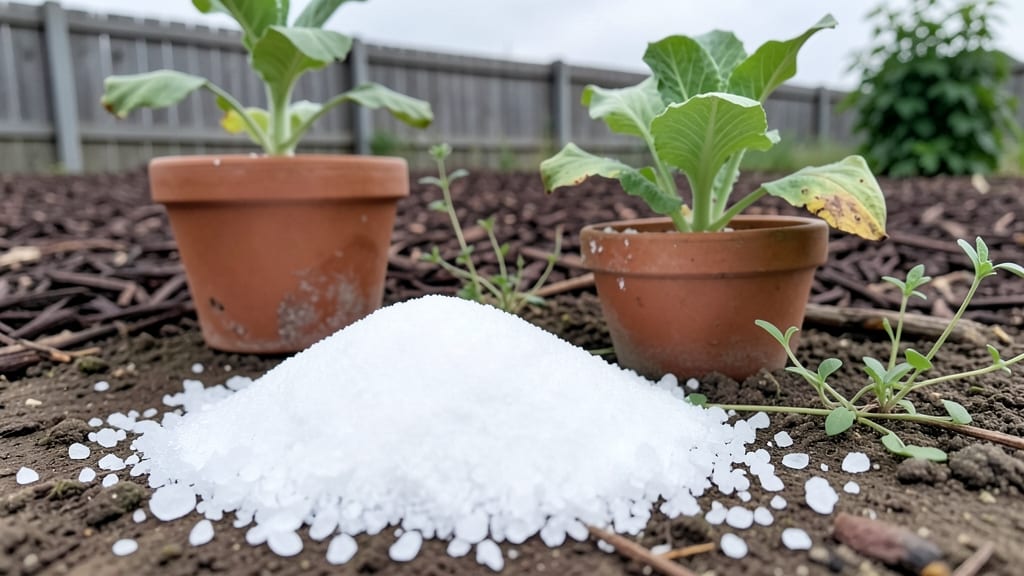
Sugar on your lawn typically appears when ants or insects deposit honeydew from feeding on aphids or sap-sucking pests, leaving a sticky residue that attracts more bugs and damages grass over time. Natural fixes include water spraying to break the cycle or adding predator insects like ladybugs.
This sticky residue isn't actual sugar but a sugary secretion called honeydew, produced by pests like aphids as they feed on plant sap. 🌱 The ants "farm" this honeydew for food, creating trails that spread the problem across your lawn.
Over time, this buildup can smother grass blades, promote fungal growth, and create an unhealthy ecosystem. The good news? Simple interventions like disrupting ant trails with water or introducing natural predators can restore balance without harsh chemicals.
For immediate results, I recommend targeting the root cause—those sap-sucking pests. A strong spray of water can knock aphids off plants, while introducing ladybugs or lacewings provides long-term control.
Healthy soil also plays a key role, as robust grass naturally resists infestations better. The key is acting early before the cycle worsens.
💡 In This Article
- Honeydew and Ants: The Hidden Link to Lawn Sugar
- Natural Ways to Eliminate Lawn Sugar and Protect Grass
Honeydew and ants: the hidden link to lawn sugar
The sticky substance you're seeing isn't actual sugar but honeydew—a sugary secretion produced by sap-sucking insects like aphids, scale insects, and mealybugs.
These pests pierce plant stems to extract phloem sap, which contains nutrients like sucrose and glucose. 🐞 What they don't consume is excreted as honeydew, a clear to yellowish liquid that hardens into crystalline deposits on grass blades.
The chemical composition of honeydew is roughly 50% sugars (primarily sucrose), 20% water, and trace minerals, making it an irresistible food source for ants.
Here's where the ant connection comes in: ants "farm" honeydew by tending to these sap-suckers, protecting them from predators in exchange for the sweet secretion. A single aphid can produce up to 200 times its body weight in honeydew daily, creating a self-perpetuating cycle.
The ants then spread these deposits across your lawn through their trails, which is why you often see the "sugar" concentrated along ant paths. This sticky residue doesn't just look unpleasant—it creates a perfect environment for sooty mold, a black fungal growth that blocks sunlight from reaching grass blades.
The problem typically worsens during late spring to early fall when temperatures range between 60-85°F and plants are actively growing.
Young, stressed, or drought-affected plants are particularly vulnerable because their reduced sap pressure makes them easier targets for aphids. 🌱 The combination of weak plant defenses and ideal insect activity creates the perfect storm for honeydew accumulation.
What most people don't realize is that this isn't just an aesthetic issue—it's an ecological warning sign that your lawn's health is being compromised at a cellular level.
Let's talk about the science of why this appears as sugar. The crystallization process happens when honeydew dries on grass blades, with sucrose molecules forming microscopic crystals through a process called supersaturation. These crystals scatter light differently than healthy grass, creating that familiar glittery appearance.
The texture is actually quite gritty—almost like fine sandpaper—when you run your fingers over affected areas. This physical characteristic further damages grass by abrading the cuticle, making plants more susceptible to disease.
Seasonal triggers play a huge role in this cycle. For example, aphids reproduce asexually during warm weather, with populations exploding in just 7-10 days under ideal conditions. This rapid reproduction creates a feedback loop where more honeydew production leads to more ant activity, which in turn attracts additional pests.
The result? A lawn that goes from healthy green to a sticky, browned mess in a matter of weeks if left unchecked. Understanding this ecological relationship helps explain why simple solutions like water spraying can be so effective—they disrupt both the aphids and their ant protectors simultaneously.
The visual impact of this process is striking. Healthy grass blades should appear smooth and slightly waxy, reflecting light uniformly. When honeydew is present, you'll notice these distinctive characteristics:
- Glittering appearance: Crystalline deposits catch light at various angles, creating a sparkly effect
- Sticky texture: Affected areas feel tacky to the touch, often collecting dust and debris
- Blackened streaks: Sooty mold growth appears as dark, fuzzy patches along ant trails
- Ant activity: Visible trails or clusters of ants near affected plants
The key to breaking this cycle lies in understanding that this isn't just about removing the visible sugar—it's about addressing the entire ecological relationship between the pests, their protectors, and your lawn's health. 🌱