
Lawn
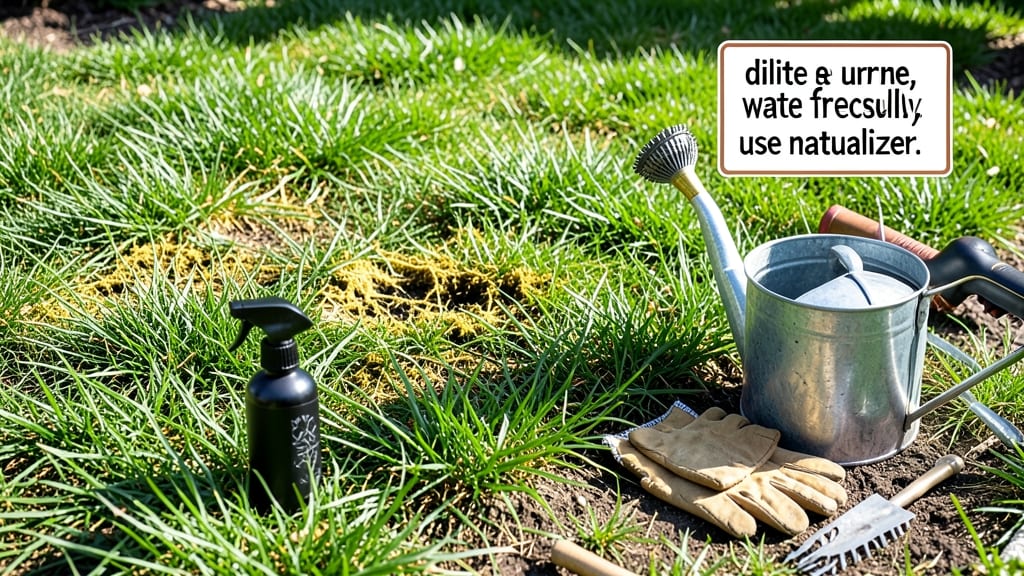
How to stop dog wee burning your lawn isn’t just about hiding the damage—it’s about saving your grass before the ammonia in fresh urine creates permanent brown patches. The key is acting fast, because concentrated urine lowers soil pH and weakens roots, leaving your lawn vulnerable. Most people overlook the simplest fix: diluting the urine immediately with water. A quick spray after your dog goes does wonders, but for existing damage, you need a stronger approach—like applying a thin layer of compost or nitrogen-rich fertilizer to help the grass bounce back faster. You'll see fresh green growth within days, not weeks. The secret is consistency: treat new spots as they happen, and your lawn will stay lush all season long. This works for any grass type, from Kentucky bluegrass to fescue. The sooner you act, the less permanent the damage becomes—so don’t wait for the brown patches to spread!
Root Causes of Lawn Damage
Dog urine is a natural fertilizer—packed with nitrogen, phosphorus, and potassium—but when concentrated, it can turn your lush green lawn into a patchwork of brown, crispy spots. The damage happens fast, often within hours, and it’s not just about the "wee" itself.
Let’s break down the science behind why your lawn ends up looking like it’s been hit by a chemical bomb. 💥
When dogs pee, their urine contains urea, a compound that breaks down into ammonia (NH₃) through bacterial action in the soil. Ammonia is highly alkaline (pH 8.0–9.0), which means it raises the soil’s pH levels dramatically.
Most lawn grasses thrive in a neutral to slightly acidic range (pH 6.0–7.0). When ammonia floods the soil, it:
- Burns grass blades by disrupting cellular membranes, causing them to dry out and turn brown.
- Disrupts root systems—roots absorb nutrients more efficiently in balanced pH conditions, but high alkalinity locks out essential minerals like iron and manganese.
- Kills beneficial microbes in the soil, weakening the lawn’s natural defenses against disease.
Pro tip: 🌡️ The bigger the dog, the higher the urea concentration—think of it like a tiny chemical factory in their bladder!
Dogs don’t just pee; they trample. Their weight compacts the soil, reducing pore space and limiting oxygen flow to grass roots. When combined with concentrated urine:
- Roots suffocate—without oxygen, roots can’t absorb water or nutrients efficiently, leading to wilting and browning.
- Water pools in compacted areas, creating soggy spots where urine sits longer, amplifying the burn.
- Grass weakens over time, making it susceptible to fungal infections (like brown patch disease) in the damaged zones.
Fun fact: 🐕 A dog’s paw exerts about 100–150 lbs of pressure per square inch—enough to compress soil like a steamroller!
Not all lawns are created equal. Some grasses are hardier against urine damage, while others are highly sensitive. Here’s how it breaks down:
| Grass Type | Urine Tolerance | Why? |
|---|---|---|
| Bermuda Grass | ⭐⭐⭐⭐ (High) | Deep roots and fast recovery—can handle occasional urine spots better than others. |
| Kentucky Bluegrass | ⭐⭐ (Moderate) | Shallow roots and slower regrowth—burns spread faster if not diluted. |
| Fescue Grass | ⭐ (Low) | Fine blades and thin root system—easily scalded by even small urine deposits. |
| Zoysia Grass | ⭐⭐⭐ (Moderate-High) | Drought-resistant but still vulnerable if urine sits too long. |
Pro tip: 🎯 If your lawn is mostly fescue or bluegrass, dilution is key—encourage your dog to pee in different spots frequently.
The damage isn’t just about the urine—it’s also about the environment. Here’s how heat, dryness, and soil type play a role:
- Hot, dry conditions accelerate evaporation, leaving behind a highly concentrated ammonia deposit that burns grass faster.
- Sandy soil drains quickly but lacks nutrients to buffer the pH spike, making burns worse.
- Clay soil holds moisture longer, trapping ammonia near the roots and prolonging damage.
- Low humidity dries out grass blades quicker, so they can’t recover as fast from the chemical burn.
Science note: 🔬 Studies show that urine damage is 3x worse in summer than in cooler months due to faster chemical reactions.
Quick Fixes for Dog Urine Damage
Now that you know why dog urine burns lawns, let’s tackle the problem head-on with practical, fast-acting solutions. The key is to neutralize the acidity while giving your grass a fighting chance to recover.
Below are targeted fixes based on the root cause—whether it’s overwatering, poor soil, or frequent urination—plus prevention tips to keep your lawn lush and healthy.
Cause: Highly concentrated urine sits too long, scorching grass. Solution:
- Act fast! The moment you see your dog pee, dilute the urine by watering the spot thoroughly (1–2 gallons of water).
- Use a hose with a gentle spray or a watering can to soak the area deeply—this washes away excess nitrogen and urea before they damage roots.
- Pro tip: 💡 If you can’t water immediately, cover the spot with mulch or a board to absorb some of the acidity until you can flush it.
Cause: Soil stays too acidic from repeated urine exposure. Solution:
- Apply a natural acid neutralizer like garden lime (calcium carbonate) or wood ash (if your soil isn’t already alkaline).
- Sprinkle ½ cup of garden lime over the burned area and lightly rake it in.
- For a faster fix, mix 1 part wood ash to 10 parts water, then spray the solution on the spot.
- Alternative: Use vinegar (acetic acid)—yes, really! A 1:10 vinegar-to-water mix can temporarily balance pH while you work on long-term fixes. (Test a small patch first to avoid over-acidifying.)
| Option | How to Use | Best For |
|---|---|---|
| Garden Lime | ½ cup per sq. ft., rake in lightly | Clay or acidic soil |
| Wood Ash | Mix 1:10 with water, spray | Sandy or neutral soil |
| Vinegar Solution | 1 part vinegar to 10 parts water | Quick emergency fix |
Cause: Grass blades turn yellow/brown from root damage. Solution:
- Avoid mowing the burned area for at least 2 weeks—weak grass needs time to recover.
- Overseed the spot with shade-tolerant grass seed (like fine fescue) or clover (which thrives in dog-friendly conditions).
- How to overseed:
- Loosen soil with a rake.
- Spread seed lightly (follow package rates).
- Cover with a thin layer of compost (¼ inch).
- Water gently daily until new grass sprouts (7–14 days).
- How to overseed:
- For stubborn bare patches, try sod patches (small squares of grass) for instant coverage.
Cause: Frequent urination in the same spots. Solution:
- Designate a "potty zone" away from your lawn—use gravel, mulch, or artificial turf in a high-traffic area.
- Teach your dog to pee on command (e.g., say "go potty" when they’re in the designated spot).
- Dilute urine naturally by:
- Encouraging more frequent, smaller pees (take them out every 2–3 hours).
- Feeding a high-quality diet (less acidic urine = less damage).
Cause: Repeated exposure weakens grass over time. Solution:
- Test your soil (use a DIY kit from a garden center) to check pH—aim for 6.0–7.0 for most grasses.
- Improve drainage if water pools after urination (add compost or sand to heavy clay soil).
- Use a dog urine neutralizer spray (like Nature’s Miracle) between accidents for extra protection.
- Plant dog-friendly ground cover near high-traffic areas, such as:
- Clover (nitrogen-fixing, urine-resistant)
- Creeping thyme (drought-tolerant, hardy)
- Moss (thrives in acidic conditions)
| Fix | Time to See Results | Maintenance Needed |
|---|---|---|
| Watering immediately | 24–48 hours | None |
| pH neutralizer | 3–7 days | Reapply every 3 months |
| Overseeding | 7–14 days | Water daily until established |
| Dog training | 2–4 weeks | Consistent reinforcement |
Final Pro Tip: 🌡️ Monitor the weather—hot, dry days make urine damage worse. If a heatwave hits, water your lawn extra to help it recover faster.
By combining immediate flushing, soil balancing, and smart dog training, you’ll have a lush, urine-resistant lawn in no time—without harsh chemicals! 🌱✨
Frequently asked questions
Why does my dog’s urine burn the lawn even after watering?
Dog urine contains urea that converts to ammonia, which raises soil pH dramatically. Even after watering, if the soil is already sandy or compacted, the ammonia lingers longer. For stubborn spots, try garden lime or wood ash to neutralize acidity faster.
How long does it take for grass to recover from dog urine damage?
With immediate watering, you’ll see recovery in 24–48 hours for minor burns. For deeper damage, overseeding takes 7–14 days to show new growth. If the area stays bare, consider sod patches for instant results. Hot, dry weather slows recovery—water daily until grass regrows.
Can I use vinegar to fix dog urine burns on my lawn?
Yes, but use it sparingly! Mix 1 part white vinegar to 10 parts water and spray lightly—vinegar’s acidity can temporarily balance pH. Test on a small patch first, as overuse may harm grass. For long-term fixes, garden lime or compost works better.
What’s the best grass type to prevent urine damage?
Bermuda grass and zoysia handle urine best due to deep roots, while fescue and bluegrass are highly sensitive. For high-traffic areas, try clover or creeping thyme—they’re urine-resistant and add color!
Will dog urine eventually kill my lawn if I don’t treat it?
Repeated exposure weakens grass over time, but it won’t kill a healthy lawn. The damage accumulates from compaction + ammonia buildup, leading to bare patches. Act fast with dilution and soil testing to prevent permanent damage.