
Lawn
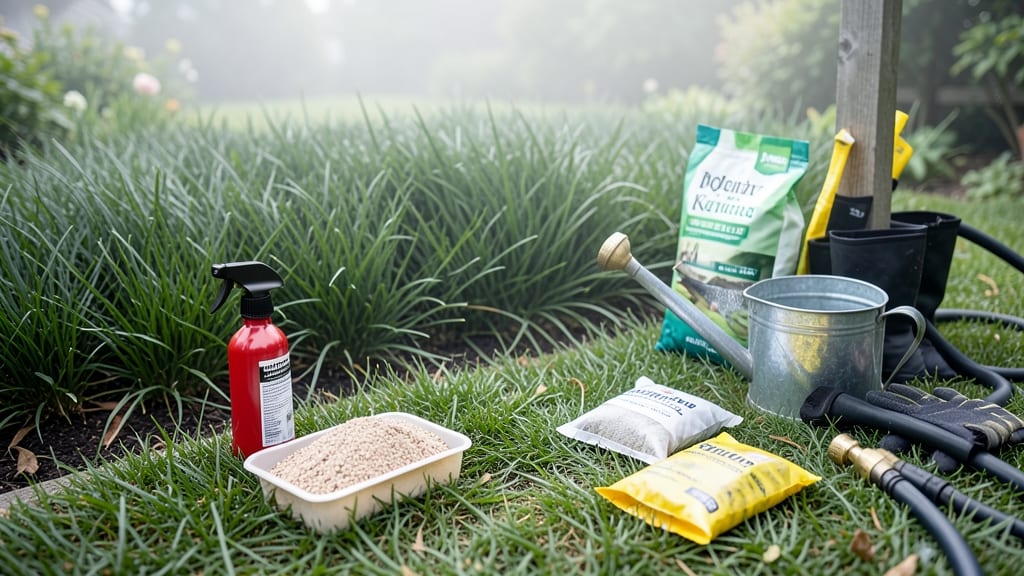
How to stop dog wee killing your lawn—before those patchy brown deserts take over faster than you can say "walkies." 🌱 I've battled this myself—until I discovered three simple steps that actually work, without toxic chemicals or expensive treatments.
The problem isn't the dog—it's the concentrated nitrogen in urine burning grass roots. But here's the good news: you can fix it naturally by diluting the damage, choosing resilient grass types, and giving your lawn a nutrient boost. No more yellow circles after playtime.
Start with a simple watering trick that flushes out the burn within minutes. Then add compost or lime to restore balance, and pick grass varieties that handle dog traffic like pros. Your lawn will bounce back greener than ever.
Works for any backyard, from small patches to full yards. The secret is consistency—just 10 minutes daily makes all the difference. Let's get that grass thriving again!
The Science Behind Dog Urine Damage
If your lawn looks like it’s been hit by a chemical time bomb after your pup does their business, there’s a solid scientific reason why.
Dog urine isn’t just water and waste—it’s a potent mix of nitrogen, ammonia, and other compounds that can turn your grass into a patchy, yellowed mess. Understanding the why behind the damage is the first step to fixing it.
Let’s break down the key culprits and how they wreak havoc on your lawn.
Dog urine is extremely concentrated in nitrogen, often containing 10-20 times more than human urine. When your dog pees, the urine quickly soaks into the soil, creating a high-salt, high-nitrogen environment around the roots. Here’s what happens next:
- Osmotic shock: The sudden influx of salts and nitrogen draws water out of the grass cells, causing them to dehydrate and wilt. Think of it like over-salting a steak—it pulls all the moisture out, leaving the grass crispy and brown.
- Root suffocation: The nitrogen-rich urine disrupts the soil’s pH balance, making it harder for roots to absorb water and nutrients. Over time, this weakens the grass, making it vulnerable to disease and drought.
- Ammonia buildup: As the urine breaks down, ammonia is released, which is toxic to grass in high concentrations. It essentially burns the foliage, leaving behind dead patches that look like a chemical spill.
Fun fact: A single dog can deposit up to 21 grams of nitrogen per urination—enough to fertilize a small garden, but way too much for grass to handle safely.
Beyond the chemical damage, dog urine can physically harm your lawn by:
- Compacting the soil: Frequent urination in the same spots compresses the soil, reducing oxygen and water flow to the roots. Compacted soil is like a suffocating blanket—roots can’t breathe, and grass struggles to grow.
- Disrupting microbial life: The high acidity and ammonia in urine can kill beneficial soil bacteria and fungi that help grass thrive. Without these microbes, your lawn’s natural nutrient cycle grinds to a halt.
- Creating "dog spots": Over time, these compacted, nutrient-depleted areas become permanent dead zones unless actively treated.
Pro tip: If your dog has a favorite peeing spot, the soil there may already be permanently damaged. You’ll need to revive it with targeted care (more on that later!).
Dog urine is highly acidic (pH ~6.0–6.5), which can throw off your lawn’s delicate pH balance. Here’s how it affects your grass:
| Issue | Effect on Grass | Why It Happens |
|---|---|---|
| Acidic urine | Locks out essential nutrients like phosphorus and potassium | The low pH prevents soil microbes from breaking down organic matter, starving your grass of vital food. |
| Ammonia volatility | Burns grass blades and weakens roots | Ammonia gas escapes into the air, but the remaining nitrogen in the soil creates a toxic cocktail. |
| Altered soil structure | Grass becomes prone to fungal infections | The disrupted pH makes grass more susceptible to diseases like brown patch or dollar spot. |
Key takeaway: Even if you water your lawn after your dog goes, the damage is often already done. The urine’s chemical composition changes the soil’s environment permanently unless you intervene.
Now that you know why your lawn is suffering, the good news is that the fix is simpler than you think. The next steps focus on neutralizing the damage and protecting your grass long-term. Stay tuned!
Fix Your Lawn’s Doggy Damage
Now that you know why your lawn is suffering from dog wee, it’s time to turn things around! The good news? With a few targeted fixes and proactive habits, you can revive your grass and keep it thriving—even with a furry friend in the mix.
Below, we’ll map out practical solutions for each common cause, plus prevention tips to protect your lawn long-term.
---
If your lawn looks patchy or yellowed from concentrated urine or over-fertilization, it’s time to rebalance the soil and give your grass a fighting chance.
#### 🔧 Fix It: Dilute & Detox - Flush the area with water (a hose or sprinkler) to dilute the urine and wash away excess salts or fertilizers.
Aim for 10–15 minutes of deep watering over the affected spot. - Rake out dead patches gently to aerate the soil and encourage new growth.
Avoid digging too deep—just loosen the top layer. - Apply a thin layer of compost (¼ inch) or a natural soil conditioner (like coconut coir) to restore nutrients without overwhelming the grass.
#### 💡 Prevention Tips - Train your dog to pee in one designated spot (like a gravel area or mulch bed) to limit urine spread. - Use a dog urine neutralizer (like enzymatic cleaners) on hot spots to break down ammonia before it burns the grass. - Water immediately after your dog goes—even a quick spray can dilute the urine’s impact.
---
If your lawn has bare patches from frequent urination or heavy foot traffic, you’ll need to stimulate regrowth and improve soil health.
#### 🔧 Fix It: Seed & Protect - Overseed the bare spots with a dog-friendly grass seed mix (like tall fescue or Kentucky bluegrass, which are more urine-resistant).
Sprinkle lightly and press into the soil. - Use a starter fertilizer (low in nitrogen) to give new seeds a nutrient boost without shocking them. - Cover with straw or peat moss (thinly!) to retain moisture while seeds germinate. Remove it once grass sprouts (~2–3 weeks).
#### 💡 Prevention Tips - Rotate your dog’s potty areas to prevent one spot from becoming a permanent dead zone. - Avoid walking on wet grass—it compacts soil and smothers new growth. - Mow high (3–4 inches) to shade roots and retain moisture, making grass more resilient.
---
Dog urine can stimulate weed growth (like crabgrass or clover) by creating nitrogen-rich patches. To suppress weeds without chemicals, try these methods:
#### 🔧 Fix It: Smother & Starve - Hand-pull weeds when the soil is moist (they’ll come out easier). Use a weed torch (sparingly) for stubborn patches, but avoid burning grass. - Apply corn gluten meal (a natural pre-emergent) in early spring to prevent weed seeds from sprouting.
It also feeds your lawn! - Lay down cardboard or newspaper (unbleached) over bare spots, then cover with 2–3 inches of mulch or soil. This blocks light and weeds while improving soil.
#### 💡 Prevention Tips - Keep your lawn thick—healthy grass crowds out weeds. Overseed thin areas in early fall. - Use a dog urine neutralizer to reduce the nitrogen boost that weeds love. - Mow regularly (but not too short) to weaken weeds before they spread.
---
If your lawn stays soggy or waterlogged from frequent urination + rain, root rot or fungal issues can set in. Fix drainage to keep grass happy.
#### 🔧 Fix It: Drain & Dry - Aerate the lawn with a core aerator (rent one or hire a pro) to break up compacted soil and improve water absorption. - Add sand or perlite to heavy clay soil to help it drain better.
Mix into the top 2–3 inches. - Install a French drain if a specific area is chronically wet (dig a trench, fill with gravel, and cover with landscape fabric).
#### 💡 Prevention Tips - Water deeply but less often (1–1.5 inches per week) to encourage deep roots that handle moisture better. - Avoid watering at night—keep grass dry to prevent fungal growth. - Train your dog to avoid low-lying areas where water pools.
---
The best way to stop dog wee damage? Make your lawn resilient from the start. Here’s how:
- Choose urine-resistant grass like tall fescue, Bermuda, or zoysia—they tolerate moisture and recover faster. - Use a natural enzyme cleaner (like Nature’s Miracle) on hot spots to break down ammonia before it burns. - Create a "dog potty zone" with gravel, mulch, or artificial turf to contain urine away from your main lawn. - Test your soil annually (a simple DIY kit works) to adjust pH and nutrients.
Dog urine can make soil more acidic over time.
--- Final Thought: 🌟 With these fixes, your lawn can bounce back in weeks—not years! Start with the most damaged areas, then focus on prevention. Soon, you’ll have a lush, dog-proof green space that both you and your pup can enjoy. 🐾
Frequently asked questions
Why does dog urine turn grass yellow so quickly?
Dog urine contains 10-20 times more nitrogen than human urine, creating a chemical burn when concentrated. The ammonia and salts draw moisture from grass cells, causing immediate dehydration and browning. Even small amounts can damage grass within 24 hours if not diluted.
Can I use vinegar to neutralize dog urine on my lawn?
No, vinegar is too acidic (pH ~2.5) and will further damage your lawn by lowering soil pH. Instead, use baking soda (¼ cup in a gallon of water) or a dedicated dog urine neutralizer like Nature's Miracle. These safely break down ammonia without harming grass.
How often should I water my lawn after my dog pees?
Water immediately for 5-10 minutes with a gentle spray to dilute the urine. Follow up with deep watering (1 inch) daily for 3 days to help recovery. Avoid overwatering—soggy soil promotes fungal growth. A sprinkler works better than just hosing down the spot.
What's the best grass type for dog owners?
Choose tall fescue or zoysia grass—both tolerate urine well and recover faster. Bermuda grass is another great option as it's drought-resistant. Avoid fine fescue or bluegrass, which are more sensitive. Plant seeds in early fall for best results.
Will my lawn ever fully recover from dog urine damage?
Yes! With proper care—dilution, reseeding, and soil amendments—most lawns recover within 4-8 weeks. Chronic damage may require aeration and topsoil replacement in worst spots. The key is acting quickly and maintaining healthy soil pH (6.0-7.0).