
Lawn
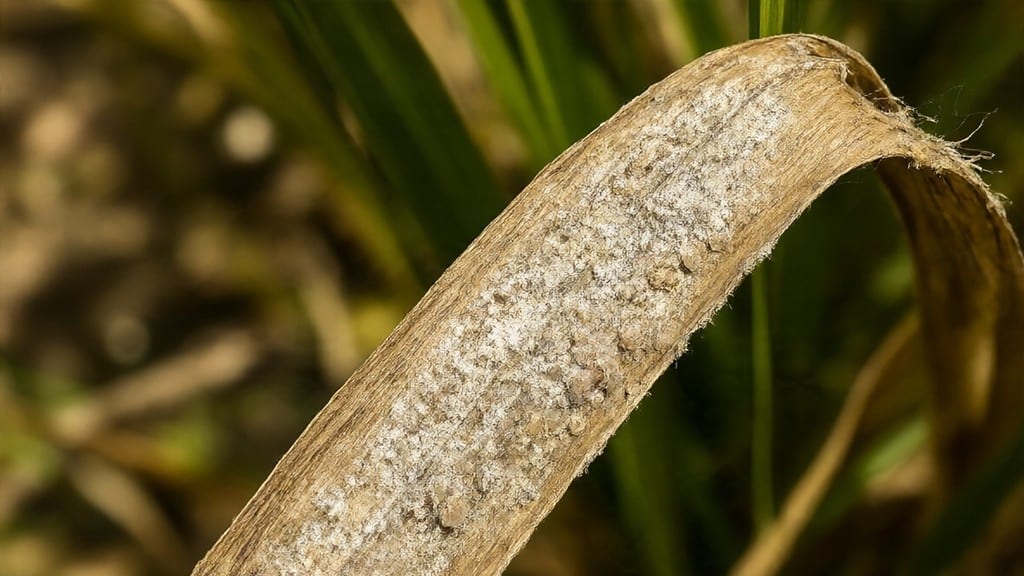
Spider grass weeds are the lawn invaders that refuse to quit—those wiry, purple-streaked runners that choke out your grass and spread like wildfire. 🌱 I’ve wrestled with these tenacious weeds in my own yard, and I’ll show you how to finally get the upper hand without resorting to harsh chemicals.
The problem starts with their aggressive roots and rapid spread, but the good news is that targeted removal works. Pulling by hand when the soil is moist gives you the best grip, while spot-treating with vinegar or natural herbicides disrupts their growth without harming your lawn.
For stubborn patches, a mix of manual removal and organic weed killers keeps them from staging a comeback.
By the end of this, your lawn will look thicker and healthier, with no more spider grass sneaking back in. The key is consistency—check for new shoots weekly, especially after rain, and you’ll break their cycle for good. Let’s reclaim your yard, one stubborn weed at a time.
Works for both sunny lawns and shaded areas, and the methods here are safe for pets and kids once fully implemented. Ready to tackle these weeds for good?
Why it happens
Those pesky spider grass weeds (often Tradescantia or Tradescantia fluminensis) don’t just pop up out of nowhere—they thrive because of specific conditions in your lawn. Understanding why they take over helps you tackle them strategically. Let’s break down the science behind their persistence.
🌱 Poor Soil Conditions Create the Perfect Nursery
Spider grass weeds love nutrient-poor, compacted, or overly acidic soil. Here’s why:
- Low organic matter: These weeds excel in soil lacking compost or mulch, where native grasses struggle to compete for resources. Spider grass spreads quickly in thin, weak turf.
- Compacted soil: Heavy foot traffic, machinery, or clay-heavy soil reduces aeration. Without proper oxygen and root space, your lawn grasses weaken, leaving gaps for weeds to invade.
- pH imbalances: If your soil’s pH is below 6.0 (too acidic), essential nutrients like phosphorus and potassium become locked away. Spider grass thrives in these conditions because it’s adapted to low-nutrient environments.
Actionable fix: Test your soil’s pH (aim for 6.0–7.0) and amend it with lime (to raise pH) or sulfur (to lower it). Add 2–3 inches of compost and aerate annually to improve structure.
☀️ Shady or Moist Microclimates Invite Them In
Spider grass weeds are opportunistic survivors that exploit areas where sunlight or water isn’t evenly distributed:
- Partial shade: They outcompete sun-loving grasses like Bermuda or St. Augustine in dappled or dense shade (e.g., under trees or near fences). Their trailing vines spread aggressively where light is limited.
- Overwatering or poor drainage: These weeds thrive in consistently damp soil because they’re drought-tolerant but also not picky about moisture. If your lawn has low spots or clay soil that holds water, spider grass will dominate.
- High humidity: They’re common in tropical or subtropical regions (like Florida or Southern California) because their succulent stems retain moisture efficiently.
Actionable fix:
- Prune trees/shrubs to increase sunlight to shaded areas (aim for 4–6 hours of direct sun for turfgrass).
- Install French drains or swales to redirect water from soggy patches.
- Water deeply but infrequently (early morning) to encourage deep grass roots and discourage weed growth.
🌿 Lawn Neglect Gives Them a Foothold
Spider grass weeds don’t just invade—they exploit gaps left by poor lawn care. Here’s how:
- Thin or patchy turf: If your lawn has bare spots from disease, pet urine, or foot traffic, spider grass fills the void faster than slow-growing grasses.
- Infrequent mowing: Letting grass grow too tall (over 3–4 inches) creates a shady canopy that smothers turfgrass and favors shade-tolerant weeds.
- No pre-emergent or post-emergent treatment: These weeds spread via runners (stolons) and seeds. Without herbicides or manual removal, they colonize rapidly.
Actionable fix:
- Mow regularly (set blade to 2–3 inches for most grasses) to prevent shade buildup.
- Overseed bare patches with a dense, competitive grass like Zoysia or Centipede.
- Apply a broadleaf herbicide (like 2,4-D) in early spring to kill existing weeds before they spread.
🐛 Hitchhiking and Seed Dispersal Spread Them Fast
Spider grass weeds don’t just grow—they hitchhike and spread aggressively through:
- Contaminated soil or mulch: They often arrive in low-quality topsoil, potting mix, or even garden center plants that contain hidden seeds or runners.
- Animal activity: Birds, squirrels, and even pets can unintentionally disperse seeds across your yard.
- Wind and water: Light seeds (0.1–0.3 grams each) travel easily, while stolons root where they land.
Actionable fix:
- Inspect new plants or soil before adding them to your yard.
- Remove weeds before they seed (pull entire runners to prevent regrowth).
- Install landscape fabric under mulch to block weed seeds from sprouting.
Kick Out Stubborn Grass Invaders
Got an unwelcome spider grass takeover in your lawn? Don’t panic—these aggressive weeds are beatable with the right strategy. Below, we’ve mapped out targeted solutions based on the most common causes of infestation, from soil issues to seasonal growth spikes.
Each fix is designed to be practical, cost-effective, and easy to execute—no green thumb required!
🔥 Overcrowded Lawn or Thin Grass? Fix It with These Steps
If your lawn is sparse or overrun with other weeds, spider grass thrives in the gaps. The fix? Thicken your turf so there’s no room for invaders.
🌱 Step 1: Reseed Bare Spots (Spring or Fall)
- Choose the right grass: Opt for dense, competitive grasses like tall fescue or bermuda that outcompete weeds.
- Prep the soil: Loosen soil with a rake, remove debris, and level the area.
- Seed properly: Use a broadcast spreader for even coverage (follow package rates). Lightly rake seeds into soil and water gently.
- 💡 Pro Tip: Mix seeds with a starter fertilizer to jumpstart growth.
💧 Step 2: Water Deeply but Infrequently
- Water 1–1.5 inches per week (including rain) to encourage deep roots.
- Avoid daily light watering—this weakens grass and fuels weeds.
- Water in the early morning to reduce fungal risks.
✂️ Step 3: Mow High and Sharp
- Set your mower to 3–4 inches to shade out weeds.
- Keep blades sharp—dull mowers tear grass, stressing it further.
- Bag clippings if spider grass is spreading via seed (but leave them if your grass is healthy—clippings recycle nutrients!).
🌡️ Hot, Dry Conditions? Beat the Heat
Spider grass loves heat and drought—so if your lawn is struggling in summer, these tactics will help you reclaim control.
💦 Step 1: Mulch and Retain Moisture
- Apply 2–3 inches of mulch around lawn edges to lock in moisture.
- Use a soil conditioner (like compost or peat moss) to improve water retention.
- Consider a lightweight shade cloth (30–50% coverage) if your area gets intense sun.
🌿 Step 2: Drought-Resistant Grass Options
- Switch to zoysia or buffalo grass if you’re in a dry climate—they handle heat better.
- For existing lawns, overseed with drought-tolerant varieties in fall.
🔥 Step 3: Spot-Treat with Vinegar (For Small Patches)
Warning: This kills all plants—use only on bare soil or non-grass areas.
- Mix 1 gallon white vinegar + 1 oz dish soap in a spray bottle.
- Spray directly on spider grass (avoid desired plants).
- Reapply every 2–3 days until weeds die (usually 1–2 weeks).
- 💡 Pro Tip: Test a small area first—vinegar can bleach certain surfaces.
🎯 Chemical Control: When to Use Herbicides
For severe infestations, herbicides can be a game-changer—but use them strategically to avoid harming your lawn.
🔍 Step 1: Pre-Emergent Herbicides (Prevention)
- Apply in early spring (before spider grass seeds germinate).
- Use products with pendimethalin or prodiamine (e.g., Scotts Halts Crabgrass).
- Water lightly after application to activate the herbicide.
🌱 Step 2: Post-Emergent Selective Herbicides (Targeted Kill)
- Choose grass-specific herbicides like tenacity (mesotrione) or drive (quinclorac).
- Apply on a warm, dry day (avoid rain for 24–48 hours).
- Follow label rates—overapplying can damage your lawn.
- 💡 Pro Tip: Spot-treat instead of blanket-spraying to save money and reduce chemical use.
⚠️ Step 3: Non-Selective Herbicides (Last Resort)
Only use glyphosate (e.g., Roundup) if you’re rebuilding the lawn from scratch.
- Spray only the weeds—avoid drift onto desired plants.
- Wait 7–10 days before reseeding.
- 🌡️ Temperature Rule: Apply when temps are 50–85°F for best results.
🛡️ Prevention: Keep Spider Grass From Coming Back
An ounce of prevention beats a pound of cure. Once you’ve cleared the infestation, lock it out with these habits:
- 🌱 Overseed annually (fall is best) to maintain a thick turf barrier.
- ✂️ Mow consistently—never let grass grow longer than 4 inches.
- 💧 Water deeply but less often to encourage deep roots.
- 🌿 Aerate compacted soil every 1–2 years to improve grass health.
- 🚫 Remove thatch buildup (over ½ inch) with a rake or dethatcher.
- 🔍 Monitor for weeds early—pull small patches by hand before they spread.
With persistence, your lawn can go from weed wonderland to lush, spider-grass-free in just a few seasons. Start with one or two methods, track progress, and adjust as needed. Happy lawn battling! 🚜💪
Frequently asked questions
What exactly is spider grass, and how can I tell it apart from other weeds?
Spider grass (often Tradescantia species) has distinctive purple-streaked, wiry stems and grows in low, spreading mats. Look for its arrow-shaped leaves with smooth edges and tiny purple flowers in summer. Unlike clover (which has three leaflets) or crabgrass (which grows upright), spider grass spreads via runners that root at nodes. Pro tip: Check for these runners—they’re your best clue for identification.
Is vinegar really effective for killing spider grass, and will it harm my lawn?
Yes, but use it carefully! A mix of 1 gallon white vinegar + 1 oz dish soap works as a natural herbicide, but it kills all plants it touches. Apply only to bare soil or non-grass areas, and avoid spraying on desirable plants. For lawns, spot-treat small patches or use it as a pre-emergent barrier in garden beds. Reapply every 2-3 days until the weeds die (usually 1-2 weeks).
Why do spider grass weeds keep coming back even after I pull them?
These weeds spread via underground runners and seeds, so pulling alone often fails. You must remove the entire root system—even tiny fragments can regrow. For stubborn patches, combine manual removal with a pre-emergent herbicide in spring or a post-emergent spray (like 2,4-D) to starve remaining roots. Mulching with cardboard or landscape fabric blocks new growth from seeds.
Can I use corn gluten meal to prevent spider grass from spreading?
Corn gluten meal is a natural pre-emergent herbicide that works well for preventing spider grass seeds from germinating. Apply 20 lbs per 1,000 sq ft in early spring (before seeds sprout) and again in fall. It’s safe for lawns once established but won’t kill existing weeds. For best results, combine it with regular mowing and overseeding to strengthen your turf’s defenses.
Are there any natural predators or biological controls for spider grass?
Spider grass has no specific natural predators, but you can use competitive exclusion to outsmart it. Plant dense ground covers like clover or creeping thyme in garden beds, or overseed your lawn with fast-growing grasses (like ryegrass) to block sunlight. For shaded areas, try hostas or ferns—their thick foliage crowds out spider grass naturally. No chemical-free solution is foolproof, but these methods reduce its spread over time.