
Diseases
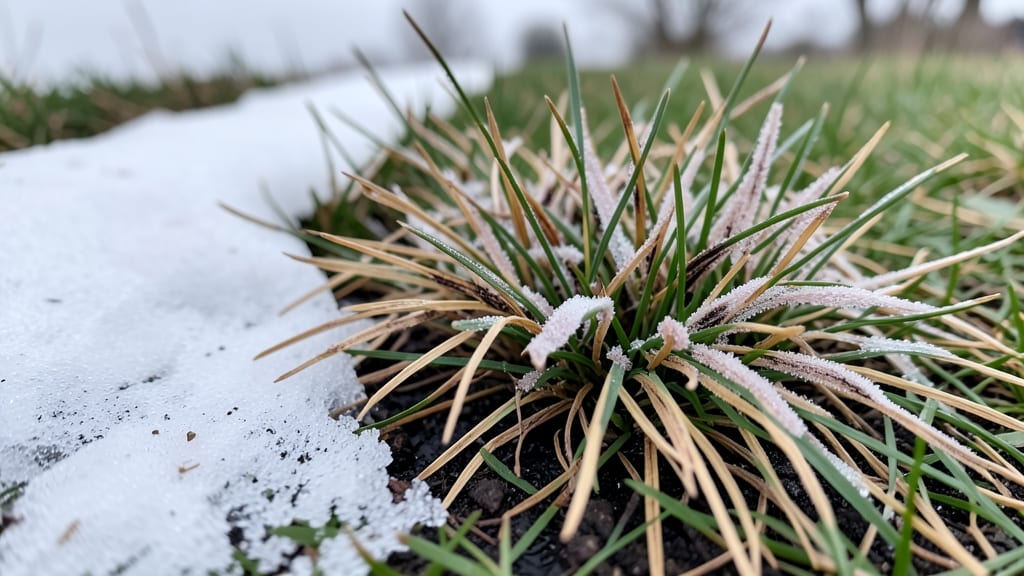
Snow mould on grass turns vibrant lawns into ghostly white patches overnight—especially after heavy snow and cold snaps. 🌱 I’ve seen it ruin entire yards in just a few weeks, but there’s a way to revive those spots faster than you’d think.
The key? Acting before the fungus spreads deeper into the soil.
This problem thrives in thick, compacted turf with poor drainage, where snow lingers and creates a damp, cold blanket. Most people assume it’s dead grass, but snow mould is actually a fungus that smothers blades—leaving them flat and bleached.
The good news? With the right steps, your lawn can bounce back in 2-3 weeks without harsh chemicals.
You’ll start by raking out the matted grass, then improve airflow with simple tools like a core aerator or even a pitchfork. Follow up with a fast-acting fungicide (or a DIY baking soda spray for mild cases) and watch those patches turn green again.
The secret is breaking the cycle before next winter—because prevention is what keeps your lawn looking lush year after year.
Works for both cool-season grasses (like fescue) and warm-season types (like Bermuda), though timing matters. Here’s how to tackle it before it takes over again.
Understanding The Hidden Triggers
Snow mould isn’t just a random lawn nuisance—it thrives when specific conditions align, often leaving homeowners scratching their heads. Understanding the root causes helps you prevent it before it strikes. Here’s why your grass might be turning into a snowy battleground:
###
🌡️ Cold, Wet Winters Create The Perfect Storm
Snow mould (Fusarium or Typhula species) is a cool-season fungus that waits patiently for the right conditions. When temperatures hover between 32°F and 50°F (0°C–10°C)—especially under thick snow or heavy frost—it springs into action.
Why? Cold, wet soil slows grass growth but doesn’t stop fungal spores from germinating. The snow acts like a blanket, trapping moisture against the grass blades. This damp, chilly environment is ideal for fungal spread, turning your lawn into a petri dish of disease.
Actionable insight: If your area gets heavy snowfall or persistent frost, your lawn is at higher risk—even if it looks fine in summer.
###
🌱 Thatch Buildup Turns Your Lawn Into A Fungal Buffet
Thatch—a layer of dead grass, roots, and debris—isn’t always bad, but when it gets too thick (over ½ inch), it traps moisture, blocks airflow, and creates a fungal paradise.
Snow mould loves to feast on this organic matter, using it as a food source while spreading upward into your grass.
Why does this happen? Thatch acts like a sponge, soaking up water and holding it against the soil surface. Without proper drainage or aeration, the fungus gets a steady meal and a safe haven to multiply.
Actionable insight: If your lawn has thick thatch, it’s a red flag—especially if you’ve noticed matted or spongy patches after snow melt.
###
💧 Overwatering Or Poor Drainage Drowns Grass Defenses
Snow mould doesn’t need much—just excess moisture. While snow provides natural irrigation, overwatering before winter or compacted, waterlogged soil makes the problem worse. When grass can’t dry out, fungal spores colonize rapidly, smothering healthy blades.
Why does this matter? Healthy grass has natural antifungal compounds, but when it’s constantly wet, these defenses weaken. The fungus then outcompetes the grass for nutrients, leading to those telltale grayish-white or pinkish mats.
Actionable insight: If your lawn stays soggy for days after rain or snowmelt, you’re creating the perfect breeding ground.
###
🌿 Weak Or Stressed Grass Invites Trouble
Snow mould targets weak grass. If your lawn is already struggling from poor fertility, drought stress, or pest damage, it’s an easy win for fungi. Healthy grass can resist snow mould better because its cuticle and root system are stronger.
Why does stress matter? When grass is nutrient-deficient or compromised by pests (like grubs or chinch bugs), it can’t recover quickly from fungal attacks. The fungus exploits these gaps, spreading faster in weakened areas.
Actionable insight: If your lawn has bare spots, yellowing, or thin patches before winter, it’s more vulnerable—feed and aerate now to fortify it.
###
🌦️ Sudden Temperature Swings Confuse Grass Recovery
When winter thaws abruptly (e.g., 50°F one day, then freezing the next), grass struggles to adapt. Snow mould exploits this confusion—while grass tries to regrow, the fungus takes over, creating those fuzzy, moldy patches.
Why does this happen? Rapid temperature changes disrupt the grass’s natural dormancy cycle. Instead of resting, it weakens prematurely, making it easier for fungi to invade and establish.
Actionable insight: If your winter has wild temperature swings, your lawn is at higher risk—monitor closely in early spring.
How to Fix Fungal Lawn Spots Fast
Fungal lawn diseases like snow mold can feel like a frustrating setback, but with the right approach, you can revive your grass and prevent future outbreaks. The key is acting quickly—once the fungus takes hold, recovery depends on addressing the root causes while giving your lawn the support it needs.
Below, we break down practical solutions tailored to the most common causes of snow mold, from cultural fixes to targeted treatments.
🌱 Fix Overly Wet or Compacted Soil
If your lawn stays soggy or has poor drainage after snow melt, snow mold thrives in these damp conditions.
How to Fix It:
- 🔥 Improve Drainage – Aerate your lawn in early fall or spring to break up compacted soil. Rent a core aerator or use a garden fork to create small holes (2–3 inches deep). Top with sand or compost to help water drain faster.
- 👨🍳 Raise Low Spots – If water pools in certain areas, level them by adding a thin layer of topsoil mixed with compost. Avoid piling soil too high, which can suffocate grass roots.
- 🥘 Install French Drains (If Needed) – For severe drainage issues, install a perforated drain pipe buried in a trench filled with gravel. Direct the runoff away from your lawn.
💡 Prevention Tip: Test your soil’s drainage by digging a 6-inch hole, filling it with water, and timing how long it takes to drain. If it takes more than 6 hours, your lawn needs better drainage.
☀️ Encourage Faster Drying & Sunlight
Snow mold loves shade and slow-drying grass. Boost airflow and sunlight to dry out the lawn quickly.
How to Fix It:
- 🍳 Thin Out Dense Areas – If your lawn has thick thatch or overgrown grass, mow higher (3–4 inches) and dethatch in late summer or early fall. This improves airflow and sunlight penetration.
- 🔪 Prune Overhanging Branches – Trim tree limbs or shrubs that cast deep shade over your lawn. Even partial sunlight helps grass dry faster.
- ⏰ Mow Early in the Day – If snow mold appears, mow before 10 AM when dew is lightest. Avoid mowing wet grass, which spreads fungal spores.
💡 Prevention Tip: Consider resistant grass varieties like tall fescue or Kentucky bluegrass if your lawn stays shady year-round. These tolerate low light better than fine fescue.
🍄 Apply Fungicides for Severe Cases
When snow mold spreads rapidly or returns year after year, a targeted fungicide can stop it in its tracks.
How to Fix It:
- 🌡️ Choose the Right Fungicide – Use a preventative fungicide (like propiconazole or flutolanil) in early fall (before snow) or early spring (as snow melts). For active infections, opt for a systemic fungicide (e.g., myclobutanil).
- 🎯 Follow Label Instructions – Apply when temperatures are above 50°F and no rain is forecasted for 24–48 hours. Use a broadcast spreader for even coverage.
- ✨ Reapply if Needed – Some fungicides require 2–3 applications spaced 3–4 weeks apart for full control.
⚠️ Safety Note: Wear gloves and a mask when handling fungicides. Avoid treating lawns where kids or pets play until the product dries completely.
🌿 Fertilize & Strengthen Grass Recovery
Weak grass is an open invitation for snow mold. Boost your lawn’s health to outcompete the fungus.
How to Fix It:
- 📊 Apply a Low-Nitrogen Fertilizer – Use a balanced fertilizer (10-10-10 or 12-12-12) in early fall to encourage root growth without promoting excessive top growth (which attracts fungus).
- 💪 Overseed Bare Spots – Fill in thin or dead patches with disease-resistant grass seed (like perennial ryegrass for quick cover). Water lightly twice daily until germination.
- 🥗 Avoid Heavy Nitrogen in Spring – Too much nitrogen in early spring weakens grass and makes it more susceptible to snow mold. Wait until late spring for a slow-release fertilizer.
💡 Prevention Tip: Test your soil’s pH (ideal: 6.0–7.0). If it’s too acidic (<5.5), apply lime in fall to create a less hospitable environment for fungi.
🧹 Clean Up Debris & Prevent Spread
Fungal spores hide in thatch, leaves, and old grass clippings. Remove them to break the cycle.
How to Fix It:
- 🔪 Rake Up Affected Areas – Remove matted, grayish-white fungal growth and dispose of it in the trash (not compost). Avoid raking when the lawn is wet.
- 🧹 Bag Grass Clippings – If snow mold is present, never leave clippings behind—they can spread spores. Use a mulching bag on your mower.
- 🌡️ Sanitize Tools – Clean rakes, mowers, and aerators with a 10% bleach solution (1 part bleach to 9 parts water) to kill lingering spores.
💡 Prevention Tip: After cleaning, water the lawn deeply (1 inch) to help grass recover. Avoid light, frequent watering, which keeps the surface damp too long.
Final Thought: Snow mold may seem stubborn, but with proactive care, your lawn can bounce back stronger. Start with drainage fixes, better sunlight exposure, and smart fertilization—then use fungicides as a last resort. Most importantly, act early before the fungus spreads! 🚀
Frequently asked questions
How can I tell if my lawn has snow mold or just dead grass?
Snow mold creates flat, grayish-white or pinkish mats that look like frost, while dead grass appears brown and crispy. Gently lift a patch—if it’s still green underneath, it’s snow mold. Also check for fuzzy growth on blades, which is a dead giveaway.
Is snow mold harmful to pets or people?
No, snow mold isn’t toxic to pets or humans, but it can spread quickly if left untreated. While your dog can walk on affected areas, avoid letting them ingest large amounts of the fungal growth. Always clean up debris and treat the lawn to prevent recurrence.
Can I use baking soda to treat snow mold?
Yes! For mild cases, mix 1 tablespoon baking soda with 1 gallon of water and spray it on affected areas. The alkaline nature helps inhibit fungal growth. Reapply every 3-4 days until the mold disappears, but use fungicides for severe infections.
Why does snow mold keep coming back every year?
Recurring snow mold usually means your lawn’s drainage or compaction issues aren’t fixed. The fungus thrives in the same damp, cold conditions year after year. Focus on aerating, improving drainage, and reducing thatch buildup—these are the real solutions.
What’s the best time of year to prevent snow mold?
Start in early fall by aerating and applying a balanced fertilizer to strengthen grass roots. In late winter, rake away any remaining fungal mats before new growth begins. This two-step approach breaks the fungus’s life cycle.