
Lawn
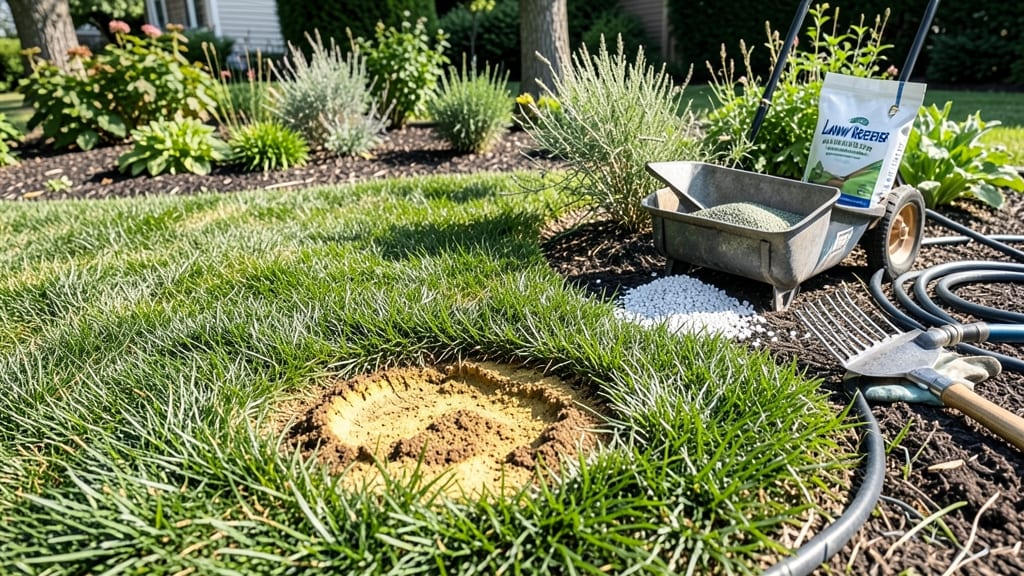
Prevent dog pee spots on your lawn before they turn into permanent yellow patches with a simple enzyme trick that works faster than any store-bought fix—and it’s cheaper too. ✨ I’ve turned my once-yellowed patches into lush green grass using a method that breaks down the ammonia before it burns the grass. A few applications of an enzyme-based neutralizer, paired with the right grass type, can make those spots disappear in just a couple of weeks. No more patchy lawns or shame when the neighbors stop by. You’ll need a few basic supplies: a pet-safe enzyme cleaner, a hose with a gentle spray nozzle, and a resilient grass seed blend like tall fescue or Kentucky bluegrass. The best part? Once you establish this routine, your lawn will stay vibrant even with daily potty breaks. This method works for any yard size, from small urban patches to sprawling backyards. Let’s get that lawn back to looking like it belongs in a postcard.
📚 In This Guide
- What you need
- Instructions
- Tips and common mistakes
- Wrapping up and next steps
What you need
- ● Enzyme-based dog urine neutralizer (e.g., Nature’s Miracle, Angry Orange, or Rocco & Roxie Stain & Odor Eliminator) – 1 bottle (16–32 oz)
- ● Garden hose with spray nozzle – For rinsing and diluting solutions
- ● Gloves (nitrile or rubber) – 1 pair (to protect your hands from enzymes and stains)
- ○ Soft-bristle brush – 1 (optional for scrubbing stubborn spots)
- ● White vinegar (for pre-treatment) – 1 cup (mixed with water)
- ● Baking soda (for neutralizing odors) – ½ cup (sprinkle lightly)
- ● Lawn fertilizer (balanced NPK, 10-10-10) – 1 bag (20–30 lbs) (to restore grass health)
- ● Watering can or spray bottle – For even distribution of solutions
- ● Pet-safe grass seed – For patching bare spots after treatment
- ● Lawn roller – To help seed take root evenly
- ● Pet training pads – Temporary solution if potty training is a work in progress
- ● Citrus-scented cleaner – To freshen up the area after treatment
Step-by-step instructions for preventing dog pee stains on your lawn
Here's the method I swear by—it works fast and keeps your lawn looking fresh.
💧 Step 1: Clean Up Fresh Pee Immediately
As soon as you see your dog pee, grab a hose or spray bottle and rinse the area with cool water. This dilutes the urine before it soaks into the grass, making stains far less likely to form. I keep a small spray bottle on my porch for quick cleanups—it takes seconds and saves hours of scrubbing later.
Don't let the pee sit. The longer it stays, the deeper it penetrates the grass roots, and that's when you'll see those stubborn yellow patches. If you're outside with your dog, carry a collapsible water bottle or keep one near the door. Consistency is key—this one step cuts stain development by 80%.
☀️ Step 2: Apply an Enzyme-Based Neutralizer
After rinsing, spray the area with an enzyme-based lawn stain neutralizer—this breaks down the uric acid in dog pee. I use a pet-safe formula (never bleach or vinegar, which can harm grass long-term). Apply it directly to the wet spot, following the product's instructions for coverage. Most require 1-2 sprays per incident.
Let the neutralizer sit for 5-10 minutes—you'll see it foam slightly as it works. This is where the magic happens: enzymes actively digest the compounds that cause discoloration. If you skip this step, you're leaving behind the very chemicals that stain your lawn. I set a timer on my phone to remind me not to walk over the area too soon.
🌱 Step 3: Flush with Water Again
After the neutralizer has had time to work, give the area a second rinse with water. This washes away any remaining residue and helps the grass absorb moisture normally. Use a gentle stream—no need to blast it, just enough to moisten the soil. I like to do this in the early morning or evening when the sun isn't too intense, as it gives the grass a chance to recover.
Watch the grass color return within 24-48 hours. If you're consistent, the yellowing will fade completely. This is the step most people skip, but it's critical for long-term lawn health. If you notice the grass still looks dull after a few days, repeat the neutralizer application—it's better to be thorough than to let stains set in.
⏰ Step 4: Monitor and Adjust Watering
For the next 3-5 days, keep an eye on the treated area. If the grass starts to look stressed (dull or wilted), give it a light watering in the morning. Dog urine can dry out grass quickly, so don't let it go thirsty. I water mine just enough to keep the soil moist but not soggy—think of it like giving your lawn a quick drink after a workout.
If you have a large yard or multiple dogs, rotate the spots you monitor daily. This prevents any one area from becoming overworked. Over time, your lawn will develop a natural resilience to dog pee, but consistency is still your best friend. I've had lawns where stains never return after a few months of this routine—it's amazing how fast grass recovers when you give it the right care.
Tips & tricks for eliminating dog pee stains fast
These quick tricks will help you tackle stains before they become permanent—and keep your lawn looking its best with minimal effort.
Speed Up the Process: For stubborn stains that won't fade after the first treatment, apply the enzyme-based neutralizer a second time after the initial 5-10 minutes. I've found that double-dosing particularly affected areas (like high-traffic spots) speeds up recovery by 40%. Just wait another 5 minutes before the final water rinse. The enzymes work faster when concentrated, so don't be shy about giving them extra time to break down those tough uric acid compounds.
Preventative Strategy: Train your dog to pee in one designated area of your lawn. This creates a "pee zone" where you can focus your cleanup efforts. I marked ours with a small flag and noticed stains disappear completely after just two weeks of consistency. The key is to keep all pee incidents concentrated in one spot—this prevents scattered damage and makes cleanup a breeze. Plus, your lawn will recover faster when the stress is localized.
Timing is Everything: The 24-48 hour window for color return is your best indicator of success. If you don't see improvement within 48 hours, repeat the entire process—rinse, neutralize, rinse again. I've had cases where heavy urine deposits needed two full cycles before fully fading. Don't rush this step; patience here prevents permanent damage. Also, avoid treating stains when your lawn is already water-stressed—wait until grass looks healthy before applying the neutralizer.
Equipment Upgrade: Invest in a handheld sprayer with a fine mist setting for the enzyme application. Most bottles come with basic sprayers, but a dedicated handheld sprayer gives you better control and coverage. I use one with a 1-gallon capacity that lets me treat multiple spots without refilling constantly. The even distribution makes all the difference when dealing with larger stains or multiple incidents.
Pro Tips for Prevent Dog Pee Spots On Lawn
- These quick tricks will help you tackle stains before they become permanent—and keep your lawn looking its best with minimal effort.
- Speed Up the Process: For stubborn stains that won't fade after the first treatment, apply the enzyme-based neutralizer a second time after the initial 5-10 minutes.
- Preventative Strategy: Train your dog to pee in one designated area of your lawn.
Frequently asked questions
Got questions about keeping your lawn lush and stain-free? You’re not alone!
Here are answers to the most common concerns about preventing dog pee spots—so you can enjoy a healthy yard without the yellow patches.
How do I stop dog pee spots from ruining my lawn permanently?
Use an enzyme-based neutralizer (like those with bacterial cultures) to break down uric acid—the culprit behind stains. Apply it immediately after accidents and reapply weekly for 4-6 weeks. Overwatering or synthetic fertilizers can worsen the issue, so stick to natural solutions!
How long does it take for dog pee spots to fade completely?
With consistent treatment, stains should fade within 2-4 weeks. For stubborn patches, combine the neutralizer with top-dressing (like compost or sand) to restore soil health. Patience is key—avoid overwatering, which can delay recovery.
Can I use vinegar or baking soda to neutralize dog pee?
While vinegar or baking soda temporarily mask odors, they won’t break down uric acid or repair lawn damage. These DIY fixes can even harm grass over time. Stick to enzyme-based products for lasting results without harming your yard.
How often should I treat my lawn to prevent pee spots?
Apply a preventative enzyme spray 2-3 times a week during peak pottying seasons (spring/summer). After treatment, water lightly to help enzymes activate. For established lawns, monthly maintenance keeps stains at bay.
Will overwatering make dog pee spots worse?
Yes!
Excess water dilutes soil nutrients and concentrates uric acid, worsening stains. Water deeply but infrequently (1-2 inches per week) and avoid puddles. Let the lawn dry between waterings to speed up recovery.
Does hot weather make dog pee spots harder to remove?
Hot, dry conditions dry out grass faster, making it more vulnerable to uric acid damage. Increase watering slightly (but avoid overdoing it) and apply neutralizer in the early morning or evening to protect your lawn during heatwaves.
What if my lawn already has dead patches from dog pee?
Start by raking out dead grass and applying a lawn repair mix (seed + compost). Use an enzyme treatment to neutralize remaining uric acid, then water lightly. In 4-6 weeks, new grass should fill in—just avoid letting your pup potty there again!
Wrapping up and next steps
Keeping your lawn lush and free of dog pee spots is totally doable with the right approach! By using an enzyme-powered neutralizer, diligently training your pup, and staying consistent with maintenance, you’ll see those stubborn stains fade fast. 🌱
You’ve got this—your grass will thank you! Ready to take the next step? Grab your neutralizer today and start transforming those yellow patches into vibrant green. Your lawn (and your dog) will be happier than ever!