
Lawn
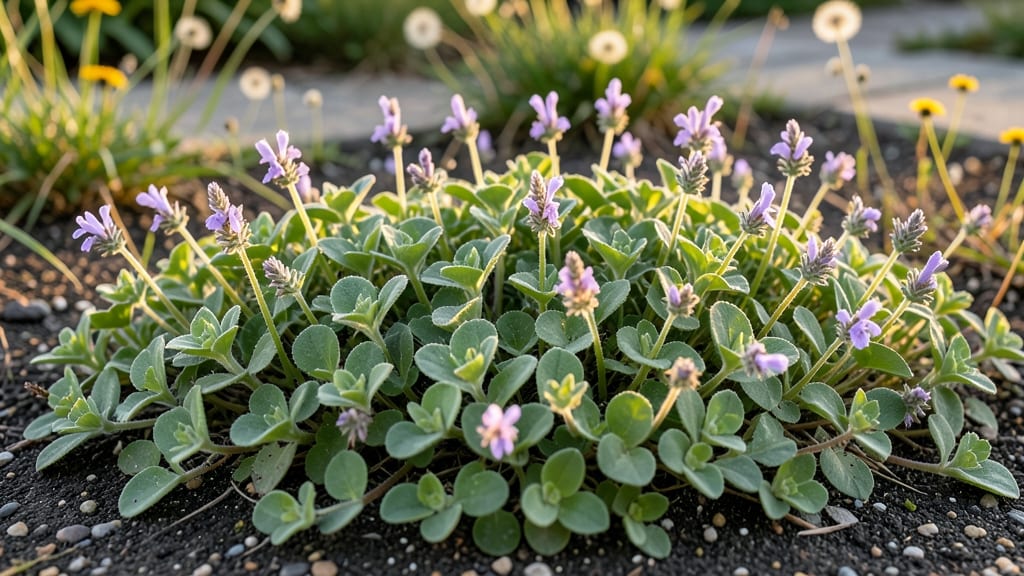
That small purple flower creeping through your lawn isn’t just unsightly—it’s likely henbit or chickweed, and the longer you wait, the harder it is to remove. 🌱 I’ve battled these weeds for years, and I’ve learned the fastest way to stop them before they take over is to target the roots now, not when they’ve spread.
The problem starts with tiny purple blooms that look almost delicate, but they multiply aggressively in cool weather. Most people pull them by hand, only to see new sprouts in days. The real solution?
A combination of manual removal at the right time (early spring or fall) and natural suppression like corn gluten meal to block seeds from germinating in the first place. By the end of this, you’ll have a lawn free of these weeds—and the knowledge to keep them from coming back.
No harsh chemicals, just smart tactics that work fast and protect your grass. Here’s the step-by-step plan to get rid of them for good, plus what to watch for so you don’t confuse them with harmless wildflowers.
Root Causes Of Purple Blooms
Understanding why those tiny purple flowers keep popping up in your lawn starts with digging into the science behind their persistence. These weeds—often henbit, chickweed, or purple deadnettle—don’t just appear by chance.
Their survival strategies are finely tuned to exploit specific conditions in your yard. Here’s why they thrive where your grass struggles.
Weeds like small purple-flowered varieties love compacted, nutrient-poor, or overly moist soil—exactly the kind of environment your lawn grass avoids. Here’s the breakdown:
- Compacted Soil 🪨 Heavy foot traffic, machinery, or clay-heavy soil crushes grass roots, leaving gaps where weeds take hold. Compacted areas also reduce water drainage, creating pockets of moisture that purple-flowered weeds adore.
- Low Organic Matter 🍂 Soil lacking compost or decomposed plant material is barely hospitable to grass but perfect for weeds. These invaders have shallow, fibrous root systems that quickly colonize thin, nutrient-starved topsoil.
- Imbalanced pH Levels 📉 Most lawn grasses prefer a pH between 6.0 and 7.0. If your soil is too acidic (<5.5) or alkaline (>7.5), grass struggles, while weeds like henbit (which tolerates pH 5.0–7.0) flourish.
Actionable Fix: Test your soil’s pH and compaction with a DIY kit (or send a sample to a local extension office). Amend compacted areas with gypsum or sand, and boost organic matter with compost or peat moss to crowd out weeds naturally.
Purple-flowered weeds thrive in consistently damp conditions, which is why they often appear after:
- Frequent light watering (encouraging shallow root growth in weeds).
- Poor drainage (water pooling in low spots, creating ideal germination zones).
- Automatic sprinklers that oversaturate certain areas while missing others.
Why It Matters: Weeds like chickweed and purple deadnettle germinate best in cool, moist soil—often in fall or spring when lawns are recovering from drought or winter. Overwatering delays grass recovery while giving weeds a head start.
Actionable Fix:
- Water deeply but infrequently (1–1.5 inches per week, early morning).
- Fix drainage issues with sand or slope adjustments.
- Avoid walking on wet grass to prevent soil compaction.
Grass doesn’t just "disappear"—it weakens due to:
- Disease or pest damage (e.g., grubs, fungus, or chinch bugs).
- Improper mowing (cutting too short or unevenly).
- Lack of fertilization (weak roots = easy targets for weeds).
The Weed Advantage: Purple-flowered weeds are fast germinators (some sprout in 3–7 days) and prolific seed producers (henbit can drop 40,000+ seeds per plant). When grass thins, they fill the void before you notice.
Actionable Fix:
- Aerate to relieve compaction and improve grass root strength.
- Mow high (3–4 inches) to shade out weeds and retain moisture.
- Reseed bare patches with a dense, fast-growing grass mix (like perennial ryegrass).
Purple-flowered weeds peak in cool seasons (fall and spring) because:
- Grass grows slowly in cooler temps, leaving gaps.
- Moisture levels are high after rain or snowmelt.
- Daylight hours increase, triggering weed germination.
Example:
- Henbit blooms October–April—just as your lawn recovers from summer stress.
- Chickweed thrives in winter and early spring, often appearing before grass greens up.
Actionable Fix:
- Pre-emergent herbicides (like prodiamine) in early fall can block weed seeds.
- Post-emergent spot treatments (vinegar + dish soap for small patches) work best before seeds set.
If your lawn has been treated with:
- Overuse of broadleaf herbicides (killing clover but leaving weeds like henbit untouched).
- Fungicides that disrupt soil microbes (weakening grass resilience).
- Salt buildup (from de-icing or poor water quality), grass suffers while weeds adapt.
Weed Resilience: Many purple-flowered weeds are herbicide-resistant or fast-recovering after treatment. For example, purple deadnettle can regrow from root fragments if not fully eradicated.
Actionable Fix:
- Avoid herbicide overuse—rotate treatments and test for resistance.
- Flush soil with water if salt buildup is suspected.
- Use cultural controls (mulching, proper mowing) to reduce chemical reliance.
Purple-flowered lawn weeds don’t just appear—they take advantage of lawn stress. By addressing soil health, watering habits, grass density, and seasonal timing, you can starve them out before they bloom. The key? Act fast—these weeds spread quicker than you think! 🚀
Eliminate Purple Flower Weeds Fast
Now that you know why those pesky small purple blooms are popping up in your lawn, it’s time to tackle them effectively. The good news? With the right approach, you can restore your grass to its lush, weed-free glory.
Below are targeted solutions based on the most common causes—plus prevention tips to keep them from returning.
If the weeds are scattered and not yet widespread, manual removal is your best first line of defense. This method works best for young, shallow-rooted weeds like henbit or chickweed.
- 👨🍳 Grab the right tools: Use a weed puller, gloved hands, or a trowel for leverage.
- 🌱 Pull at the base: Grasp the weed just above the soil line and tug firmly to avoid breaking the stem (which can leave roots behind).
- 💡 Pro tip: Do this after rain or watering—soil loosens, making extraction easier.
- ⏰ Best time: Early morning or late afternoon when the ground is moist but not muddy.
⚠️ Warning: Avoid pulling when the soil is dry—this can uproot grass instead!
For stubborn weeds or larger infestations, selective herbicides (safe for grass) can help. Vinegar-based or boiling water solutions work for non-grass areas, but for lawns, opt for targeted sprays.
- 🔪 Choose the right herbicide:
- Pre-emergent herbicides (like corn gluten meal) prevent seeds from sprouting.
- Post-emergent herbicides (like 2,4-D or dicamba) kill existing weeds—always read labels to ensure grass safety.
- 🎯 Apply precisely: Use a drop spreader or handheld sprayer to target only the weeds, avoiding healthy grass.
- 🌡️ Follow weather rules: Apply when no rain is forecasted for 24-48 hours to ensure absorption.
💡 Pro tip: For organic control, mix 1 gallon of white vinegar + 1 oz. dish soap + 1 gallon of water in a spray bottle. Test on a small area first—this kills all plants, so use only on driveways or sidewalks.
The strongest defense? A thick, healthy lawn that blocks weeds naturally. Focus on these preventive fixes:
| Problem | Solution | How to Do It |
|---|---|---|
| Thin grass | Overseed bare spots with fast-growing grass seed (like ryegrass). | Mow low, aerate, spread seed, and water lightly for 10-14 days. |
| Poor soil | Test soil pH and amend with compost or lime if needed. | Use a DIY soil test kit or send a sample to a local extension office. |
| Incorrect mowing height | Raise mower blades to 3-4 inches to shade out weeds. | Adjust mower settings and never remove more than ⅓ of the blade height at once. |
| Over/under-watering | Water deeply 1-2 times per week (early morning). | Use a rain gauge or tuna-can test to check depth (1-1.5 inches per week). |
✨ Bonus tip: Top-dress with compost in early spring to strengthen roots and crowd out weeds naturally.
If weeds have taken over large areas, a combination approach works best:
- 🔪 Mow low (but not scalp) to weaken weeds.
- 💦 Water deeply to encourage grass recovery.
- 🌱 Apply pre-emergent in early spring/fall to stop new seeds.
- 🔄 Overseed with a weed-resistant grass blend (like tall fescue or Kentucky bluegrass).
- 🌱 Fertilize with a slow-release, weed-control formula (like tenacity or image).
💡 Pro tip: Rent a dethatcher if thatch buildup (dead grass layer) is trapping weeds—1-2 inches max is ideal.
Stop weeds before they start with these easy habits:
- 📅 Stay on a schedule: Mow, water, and fertilize consistently (not sporadically).
- 🧹 Clean up debris: Remove leaves, clippings, and weeds regularly—they harbor seeds.
- 🌱 Choose tough grass: Opt for drought-resistant, shade-tolerant varieties based on your climate.
- 🚫 Avoid over-fertilizing: Too much nitrogen = weaker grass that invites invaders.
Final thought: Persistence pays off! With consistent care, your lawn can outgrow those purple blooms for good. 🌿💪
Frequently asked questions
Are those small purple flowers actually weeds or could they be wildflowers?
Many small purple blooms in lawns are indeed weeds like henbit or chickweed, but some could be beneficial wildflowers like creeping phlox or self-heal. The key difference? Weeds (like henbit) have square stems and spread aggressively, while wildflowers usually have thinner stems and don't take over. Check for seed pods—weeds produce thousands of seeds quickly.
Why do these weeds come back even after I pull them?
These weeds are masters of persistence! They often have deep taproots or produce thousands of seeds that lie dormant in the soil. Even a tiny root fragment can regrow, and seeds can stay viable for years. The solution? Pull when soil is moist, remove all roots, and apply corn gluten meal to prevent new seeds from sprouting.
Is vinegar safe to use on my lawn for these purple weeds?
Vinegar can work for spot treatment, but it's not lawn-safe! It kills all plants, including grass. For lawns, use a selective herbicide like 2,4-D (follow label instructions) or try a boiling water treatment for small patches. Always test a small area first to avoid damaging your grass.
When is the best time of year to tackle these weeds?
Early spring and fall are your best windows! These weeds thrive in cool, moist conditions, so they're most vulnerable when actively growing. In spring, target them before they seed (late March-April). In fall, aim for September-October when they're establishing new roots but before winter dormancy.
Will overseeding my lawn actually help prevent these purple weeds?
Overseeding creates a thick grass carpet that blocks sunlight and outcompetes weeds. Choose a fast-growing grass mix like perennial ryegrass, and pair it with proper fertilization. Mow high (3-4 inches) to shade out weeds and water deeply (1-1.5 inches per week) to encourage strong grass roots.