
Lawn
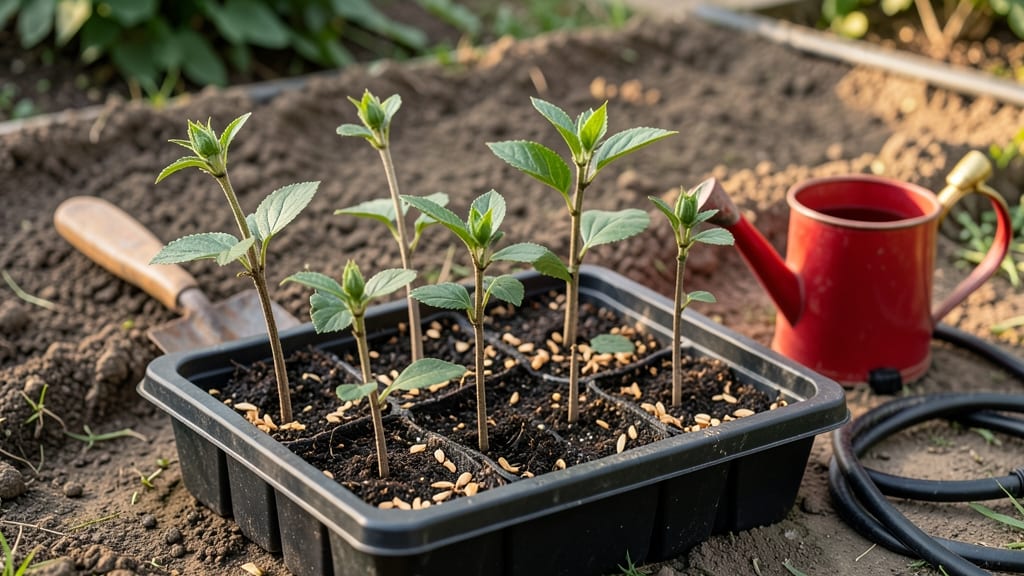
Those Rose of Sharon seedlings popping up in your lawn aren’t just weeds—they’re stealthy invaders with deep roots that make removal a real challenge. 🌿 I’ve wrestled with these tough sprouts in my own yard, and I’ll share the most effective ways to tackle them before they turn into unruly shrubs that choke your grass.
The problem isn’t just the seedlings themselves—it’s their relentless regrowth. Left unchecked, they’ll spread aggressively, crowding out your lawn and turning maintenance into a battle. The good news? With the right approach, you can reclaim your yard without resorting to harsh chemicals that might harm your grass.
Manual removal works best when done early, but you’ll need persistence. Digging out the roots completely is key—any piece left behind will sprout again. For stubborn patches, a targeted herbicide can help, but timing and application matter to protect your lawn.
Prevention starts with proper lawn care: thick, healthy grass outcompetes weeds naturally. Mow high, water deeply, and fertilize appropriately to give your turf the edge. Once you’ve cleared the seedlings, keep an eye out for new growth and act fast to stop them before they take hold.
📚 In This Guide
- What you need
- Instructions
- Tips and common mistakes
- Wrapping up and next steps
What you need
- ● Rose of Sharon seedlings: 10–20 plants (depending on desired coverage; spacing ~6–8 feet apart). Choose healthy, disease-free 1–2 gallon pots.
- ● Well-draining soil: Native soil amended with 2–3 inches of compost or organic matter (e.g., peat moss, aged manure). Avoid heavy clay.
- ● Mulch: 2–3 inches of wood chips, pine straw, or shredded bark to retain moisture and suppress weeds.
- ● Organic fertilizer: Slow-release 10-10-10 or 5-5-5 (5–10 lbs per 100 sq ft) or compost tea for a natural boost.
- ● Garden gloves (heavy-duty, for thorn protection—Rose of Sharon has tiny but sharp ones!).
- ● Shovel or trowel (for digging holes; 12–18 inches deep and wide).
- ● Watering can or hose with nozzle (gentle spray setting to avoid displacing soil).
- ● Measuring tape (to ensure proper spacing for airflow and growth).
- ○ Pruning shears (optional, for trimming damaged leaves post-planting).
- ● Sunlight: Full sun to partial shade (6+ hours of direct sun daily for best blooms). Test your lawn’s light exposure before planting.
- ● Water source nearby: Easy access for the first 2–3 weeks (deep watering 2–3x/week).
- ● Patience: Seedlings take 2–3 years to reach full privacy-screen height (10–15 feet), but they’re worth it!
Step-by-Step guide to planting Rose of Sharon seedlings for a low-maintenance privacy screen
Here's how to establish a lush, thriving hedge that grows tall without needing constant pruning.
🌱 Step 1: Prepare the Planting Site for Optimal Growth
Choose a location with full sun exposure (6+ hours daily)—Rose of Sharon thrives in bright light but tolerates partial shade if you live in a hotter climate. Test your soil's drainage by digging a 12-inch deep hole and filling it with water; if it doesn't drain within 4 hours, amend the soil with 2-3 inches of compost mixed into the top 6 inches of soil.
Mark planting spots 6-8 feet apart in rows spaced 8-10 feet apart—this spacing ensures mature plants won't compete for sunlight or nutrients. Use a garden hose to outline the area and adjust spacing if your lawn has particularly dense grass. Here's the thing—Rose of Sharon grows aggressively, so wider spacing now means less weeding later.
🪴 Step 2: Plant Seedlings at the Correct Depth and Spacing
Dig holes twice as wide as the root ball and 6 inches deeper than the container. Gently remove each seedling from its pot and loosen any circling roots with your fingers—this encourages outward growth instead of girdling. Place the seedling in the hole so the top of the root ball sits 1 inch below soil level; this prevents stem rot while allowing roots to establish.
Backfill with native soil mixed with 1 cup of bone meal fertilizer per hole to encourage strong root development. Water deeply until the soil is evenly moist 6 inches down. You'll see small air bubbles rise as the water fills the hole—this confirms proper saturation. Mulch around each plant with 2-3 inches of wood chips, keeping the mulch 3 inches away from the stem to prevent moisture buildup.
☀️ Step 3: Water and Fertilize for Establishment
Water newly planted seedlings every 2-3 days until they show new growth (4-6 weeks). Use a soaker hose or drip irrigation to deliver water slowly at the base—avoid overhead watering, which can spread fungal diseases. You'll know moisture is right when the top 2 inches of soil feel damp but not soggy.
Apply a balanced 10-10-10 fertilizer at half-strength 4 weeks after planting, then again in early spring and mid-summer. Rose of Sharon responds well to feeding but doesn't tolerate over-fertilization—yellow leaves signal you've overdone it. Here's what I do: scatter granules around the drip line (the edge of the plant's canopy) and water deeply to activate them.
🌿 Step 4: Monitor and Adjust for Healthy Growth
Watch for leaf curl or powdery mildew in humid climates—these are early signs of stress. Prune affected branches back to healthy growth immediately, and space plants slightly wider if airflow is poor. You'll see strong, upright stems with deep green leaves as the plants establish; leggy growth means they need more light or fertilizer.
After the first year, reduce watering to once weekly in dry spells—mature Rose of Sharon is drought-tolerant once established. The key is deep, infrequent watering that encourages deep root growth. By late summer, you'll notice clusters of flower buds forming; these will bloom into spectacular panicles next season.
⏰ Step 5: Maintain for Long-Term Privacy Without Pruning
Skip the annual pruning—Rose of Sharon blooms on old wood, so cutting back encourages new growth at the expense of flowers. Instead, remove only dead or crossing branches in late winter before new growth begins. You'll see fresh green shoots emerge from the base, signaling the plant's natural vigor.
Mulch annually with 2-3 inches of fresh wood chips in early spring to retain moisture and suppress weeds. The hedge will reach 8-12 feet tall within 3-4 years with minimal effort—ideal for a natural, low-maintenance privacy screen. Here's the payoff: a lush, fragrant barrier that thrives on neglect once established.
Tips & tricks for perfect Rose of Sharon privacy screens
Here's what nobody tells you about getting those lush, low-maintenance hedges that actually thrive.
Soil Test Savvy: That 4-hour drainage test in Step 1 is non-negotiable. If water pools after 4 hours, you're dealing with compacted soil that'll strangle your seedlings. I've seen gardeners skip this and end up with root rot within weeks. Amend with compost until you get proper drainage—your plants will reward you with vigorous growth. The key is that 6-inch compost layer should feel like a sponge, not mud.
Root Ball Rescue: When loosening circling roots in Step 2, don't just pull—they'll tear. Instead, use your fingers to gently tease them outward like opening a book. This prevents girdling that'll stunt growth for years. I learned this the hard way after watching seedlings struggle for two seasons. Think of it as giving your plants a proper foundation before they even hit the ground.
Fertilizer Timing: That first 4-week feeding window is critical. Too early and you burn tender roots; too late and you miss the establishment phase. I use a simple trick: mark your planting date on your calendar and set a reminder for exactly 4 weeks later. The half-strength application is non-negotiable—full strength at this stage will scorch your seedlings. Think of it as giving them a vitamin shot, not a steroid dose.
Mulch Magic: That 2-3 inch wood chip layer isn't just decoration. It's a moisture regulator, weed barrier, and temperature stabilizer all in one. I've seen mulch break down too quickly when people use fresh, green wood chips that decompose fast. Stick with aged, shredded hardwood chips—they'll last a full season and improve soil structure over time. Keep that 3-inch stem clearance sacred—it prevents rot better than any fungicide.
Pro Tips for Rose Of Sharon Seedlings In Lawn
- Here's what nobody tells you about getting those lush, low-maintenance hedges that actually thrive.
- Soil Test Savvy: That 4-hour drainage test in Step 1 is non-negotiable.
- Root Ball Rescue: When loosening circling roots in Step 2, don't just pull—they'll tear.
Frequently asked questions
Got questions about growing Rose of Sharon seedlings in your lawn? You’re not alone! Here are some of the most common concerns—and straightforward answers to help you succeed.
Can I plant Rose of Sharon seedlings directly in my lawn?
Yes, but with caution! Rose of Sharon thrives in well-draining soil, so avoid waterlogged lawn areas. Plant seedlings after the last frost (spring) or in early fall for best root establishment. If your lawn is dense, consider prepping the soil with compost or mulch to give seedlings a fighting chance.
How long does it take for Rose of Sharon seedlings to grow into a privacy screen?
Patience pays off! With proper care, seedlings can reach 6–8 feet tall in 3–5 years, but faster growth (up to 3 feet/year) is possible in ideal conditions (full sun, consistent watering). Prune lightly in late winter to encourage bushier growth and speed up the process.
What’s the best alternative if my lawn isn’t suitable for Rose of Sharon?
If your soil is too compacted or shady, try these low-maintenance alternatives:
- Privet hedges – Fast-growing, dense, and adaptable.
- Arborvitae – Evergreen and drought-tolerant.
- Russian olive – Thrives in poor soil and harsh climates.
- Bamboo (clumping types) – For quick, natural screening.
Why are my Rose of Sharon seedlings wilting or turning yellow?
Common culprits include:
- Overwatering – Rose of Sharon hates soggy roots. Water deeply but infrequently (1–2 times/week unless drought-stricken).
- Underwatering – Drooping leaves? Check soil moisture 2 inches down—it should be dry but not bone-dry.
- Pests – Spider mites or aphids can stress seedlings. Spray with neem oil if you spot tiny webs or sticky residue.
- Nutrient deficiency – Yellow leaves? Amend soil with a balanced fertilizer (10-10-10) in spring.
Do I need to prune Rose of Sharon seedlings every year?
Not necessarily! Unlike many shrubs, Rose of Sharon tolerates minimal pruning. Lightly trim in late winter to remove dead wood or shape the plant. Avoid heavy pruning—this shrub grows best when left mostly alone. Pro tip: If you want a fuller look, prune just after flowering (summer) to encourage new growth.
Wrapping up and next steps
Adding Rose of Sharon seedlings to your lawn isn’t just about privacy—it’s about transforming your outdoor space with minimal effort! These hardy plants thrive with little pruning, offering lush greenery and stunning blooms year after year.
Whether you’re a beginner or a seasoned gardener, their low-maintenance charm makes them a perfect choice for any yard.
Now that you’re equipped with the how-to, it’s time to roll up your sleeves and plant. Start small, monitor their growth, and soon, you’ll enjoy a beautiful, natural privacy screen that requires less upkeep than you’d expect. Happy gardening! 🌿✨