
Lawn
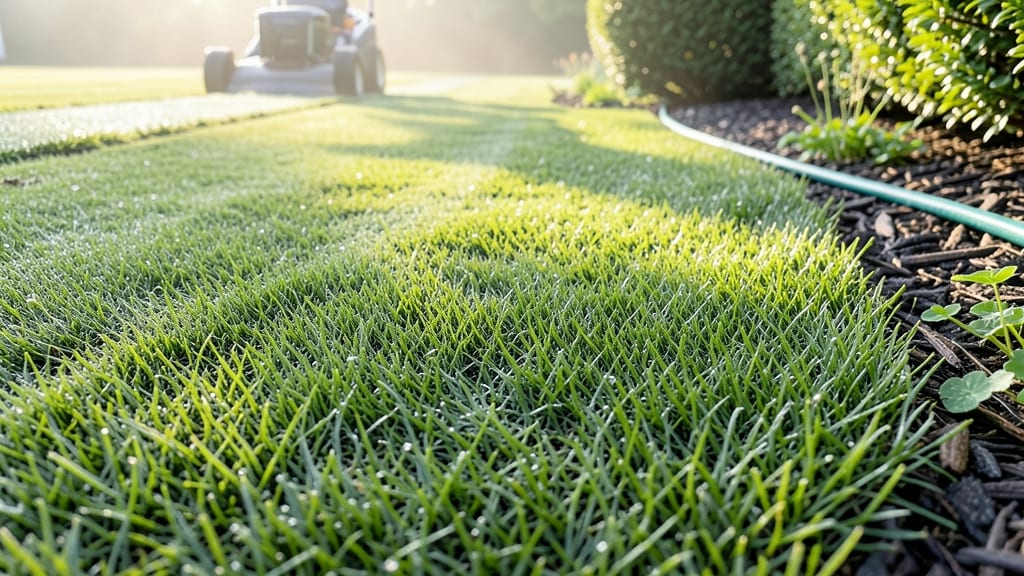
Your green leaves lawn and landscape can stay shockingly lush all year without turning into a full-time job. 🌿 I’ve spent years perfecting low-maintenance techniques that keep grass vibrant, borders full, and the whole yard looking intentional—even when I’m not out there every weekend.
The secret isn’t fancy plants or expensive tools—it’s smart layering. Start with drought-tolerant grasses like buffalo grass or fine fescue that thrive with less water. Add evergreen shrubs like boxwood or holly for structure, and fill gaps with perennials like sedum or ornamental grasses that need almost no care.
Together, they create a tapestry of green that stays green. By summer’s end, you’ll have a yard that feels like a retreat—not a chore. The grass stays soft underfoot, the borders stay dense without deadheading, and the whole space hums with life.
No more patchy spots or weeds taking over. Works for small backyards, large properties, or even urban spaces with limited room. Here’s how to make it happen without the upkeep.
📚 In This Guide
- What you need
- Instructions
- Tips and common mistakes
- Wrapping up and next steps
What you need
- ● Native or drought-resistant grass seed: 5–10 lbs per 1,000 sq. ft. (e.g., Fescue, Buffalo Grass, or Zoysia for heat tolerance).
- ● Topsoil or compost: 2–4 inches (for patchy areas or new lawns). Opt for a mix with mycorrhizal fungi for root health.
- ● Organic mulch: 2–3 inches of shredded bark or wood chips (for landscaping beds).
- ● Slow-release fertilizer: 10–20 lbs of organic or synthetic (e.g., 16-4-8 ratio) per 1,000 sq. ft. (spring/fall).
- ○ Water retention crystals: 1 lb per 100 sq. ft. (optional but game-changing for drought-prone yards).
- ● Lawn spreader: Drop or broadcast type (rent or buy; calibrate for accuracy!).
- ● Garden rake: 18–24" wide with sturdy tines for leveling soil.
- ● Hand pruners & loppers: Bypass pruners for clean cuts (sharpness = happiness!).
- ● Hose with adjustable nozzle: Or a soaker hose (10–20 ft long) for deep watering.
- ● Kneeling pad: Because your knees will thank you!
- ● Test your soil: pH 6.0–7.5 is ideal (use a DIY kit or lab test). Adjust with lime (💡 for acidic soil) or sulfur (for alkaline).
- ● Clear debris: Weeds, rocks, and thatch (use a dethatcher if layer > ½ inch).
- ● Mow high: Set blades to 3–4 inches (shade-tolerant grass loves this!).
- ● Watering schedule: 1–1.5 inches per week (early morning = less evaporation).
How to cultivate a lush, low-maintenance landscape year-round
Here's the approach I've perfected for vibrant greenery that thrives with minimal effort.
🌱 Step 1: Assess and Prepare Your Soil Foundation
Start by testing your soil's pH and nutrient levels—most lawns need a 6.0-7.0 pH for optimal growth. I use a simple soil test kit to check drainage and organic matter content. If your soil is compacted or clay-heavy, amend it with 2-3 inches of compost and till it in to a depth of 6 inches. This creates the perfect air and water balance for roots.
For existing lawns, core aerate in late summer or early fall when grass is actively growing. The holes let air and water penetrate deeply, reducing thatch buildup that chokes roots. You'll see a noticeable difference in growth vigor within weeks—roots will spread more aggressively and recover faster from drought.
☀️ Step 2: Select Drought-Tolerant Plants and Grasses
Choose native plants and grasses that match your climate zone—they'll thrive with minimal water once established. For lawn areas, opt for fine fescue blends that stay green in cooler months and require only 1 inch of water weekly once established. In landscape beds, pair ornamental grasses like Miscanthus with low-water perennials like sedum or lavender.
Here's the thing—avoid turf grass in shaded areas. Instead, use shade-tolerant ground covers like creeping thyme or ajuga. These plants spread naturally, reducing weeds while maintaining that lush look. I always group plants with similar water needs together to simplify irrigation.
💧 Step 3: Implement Smart Watering Systems
Install a drip irrigation system or soaker hoses for landscape beds—these deliver water directly to roots with 90% less waste than sprinklers. Set your system to water early in the morning to minimize evaporation and fungal risks. For lawns, water deeply 2-3 times per week rather than daily shallow watering, which encourages deep root growth.
You'll know your watering is right when the top 2-3 inches of soil stay consistently moist but not soggy. Overwatering is the #1 killer of low-maintenance landscapes—it creates perfect conditions for fungal diseases while wasting precious resources. Use a rain gauge to track monthly rainfall and adjust your schedule accordingly.
✂️ Step 4: Maintain with Strategic Trimming and Mulching
Mow your lawn at 3-4 inches tall—taller grass shades out weeds and retains moisture better. Use a mulching mower to return grass clippings to the soil, adding free nitrogen and improving soil structure over time. For landscape plants, trim back leggy growth in early spring to encourage bushier, more compact growth patterns.
Apply 2-3 inches of mulch around landscape plants, keeping it 2 inches away from stems to prevent rot. I use wood chips or shredded bark—they break down slowly, improving soil quality while suppressing weeds. Replenish mulch annually to maintain its protective layer and moisture-retaining properties.
🪴 Step 5: Seasonal Care for Year-Round Health
Fall is the perfect time to overseed lawns with cool-season grasses. Apply a slow-release fertilizer in early fall to give roots a growth boost before winter dormancy. In spring, focus on removing thatch and aerating again before new growth begins. For landscape plants, prune back dead foliage in early spring to make room for fresh growth.
This seasonal rhythm keeps your landscape looking vibrant with minimal effort. The key is consistency—stick to this routine and you'll have a green, healthy space that requires only 2-3 hours of active work per month. The payoff is worth it: a landscape that stays lush through heatwaves and droughts while looking effortlessly maintained.
Tips & tricks for perfect year-round green landscaping
A few key strategies will help you transform your yard into a thriving, low-maintenance oasis that stays vibrant through every season.
Soil Preparation Secret: When amending your soil with compost in Step 1, don't just spread it on top—work it into the first 6 inches of soil using a broadfork or tiller. This creates a deeper root zone where plants can access nutrients and moisture. For clay-heavy soils, mix in 1 part compost to 3 parts soil to improve drainage without overwhelming the native soil structure. The goal is to mimic the natural layering you'd find in a forest floor, where organic matter gradually enriches the subsoil.
Plant Selection Strategy: In Step 2, when choosing drought-tolerant plants, consider their mature size and growth habits. For example, Miscanthus grasses can grow 6-10 feet tall, so plant them toward the back of beds where they won't overshadow smaller perennials. Pair them with sedum varieties that stay compact (like 'Autumn Joy') to create visual contrast. For shaded areas, ajuga spreads aggressively—plant it in 3-foot squares rather than long strips to control its spread while maintaining coverage.
Watering System Efficiency: For Step 3's irrigation setup, place your drip emitters 6-12 inches away from plant stems to prevent fungal diseases. I recommend using 1/4-inch tubing with adjustable emitters so you can tailor water delivery to each plant's needs. For lawns, water in the early morning (4-8 AM) to minimize evaporation—this gives plants time to absorb moisture before the heat of the day. The 2-3 inch soil moisture check should be done by inserting a screwdriver into the soil; if it goes in easily, you're overwatering.
Mulch Application Technique: When applying mulch in Step 4, create a volcano-free zone—keep mulch 2 inches away from tree trunks and plant stems to prevent rot and pest issues. For newly planted shrubs, use 3 inches of mulch initially, then reduce to 2 inches once established. Dark-colored mulches (like cedar) warm the soil faster in spring, while light-colored mulches (like pine straw) reflect sunlight and keep roots cooler. Always refresh mulch annually—even 2-3 inches breaks down significantly over a year.
Pro Tips for Green Leaves Lawn And Landscape
- A few key strategies will help you transform your yard into a thriving, low-maintenance oasis that stays vibrant through every season.
- Soil Preparation Secret: When amending your soil with compost in Step 1, don't just spread it on top—work it into the first 6 inches of soil using a broadfork or tiller.
- Plant Selection Strategy: In Step 2, when choosing drought-tolerant plants, consider their mature size and growth habits.
Frequently asked questions
Got questions about keeping your lawn and landscape lush and green with minimal fuss? We’ve got answers! Here are some of the most common concerns—and how to tackle them like a pro.
How often should I water my lawn for year-round greenery?
For most grass types, aim for 1–1.5 inches of water per week, including rainfall. Water deeply 2–3 times per week (early morning is best) to encourage deep root growth. Avoid daily light watering—it promotes shallow roots and weeds. Adjust in winter (less water) or summer (more frequent but shorter sessions).
What’s the best time of year to plant grass seed for a thick lawn?
The ideal window is late summer to early fall (September–October in most regions). Cool soil and mild temps help seeds germinate faster and establish roots before winter. Spring (March–April) is a close second, but avoid planting in extreme heat or cold. For warm-season grasses (like Bermuda), early summer works best.
Are there cost-effective alternatives to sod for a green lawn?
Seed mixes
(especially native or drought-resistant blends) are far cheaper than sod and often yield similar results. Hydroseeding (a slurry of seed, mulch, and fertilizer) is another budget-friendly option that covers large areas quickly. For patchy spots, try plugs or sprigs—they’re pricier than seed but faster than sod.
Why are my leaves turning brown/yellow despite regular care?
Brown or yellow leaves usually signal overwatering, underwatering, or nutrient deficiencies. Check soil moisture (stick your finger 2 inches deep—dry? Water; soggy? Drainage may be the issue). Fungal diseases (like brown patch) thrive in humidity—improve airflow and avoid late-night watering. For yellowing, test soil pH and fertilize with iron or nitrogen if needed.
Can I use the same fertilizer for both lawn and landscape plants?
Not ideal! Lawns need high-nitrogen fertilizers (like 30-0-5) for lush growth, while shrubs/flowers thrive on balanced or phosphorus-heavy formulas (e.g., 10-10-10 or 5-10-5). Slow-release, organic options (like compost or bone meal) work for both but may require different application rates. Always follow package guidelines!
Wrapping up and next steps
A lush, green leaves lawn and landscape isn’t just about aesthetics—it’s about creating a thriving, eco-friendly space that brings joy year-round with minimal effort.
By choosing the right grass types, embracing mulch and native plants, and adopting smart watering and maintenance habits, you’ve got all the tools to turn your outdoor oasis into a low-stress, high-reward reality.
Now’s the time to take action! Start small—whether it’s testing soil health, swapping out a patch of grass, or tweaking your watering schedule. Your future self (and your lawn!) will thank you. 🌱