
Lawn
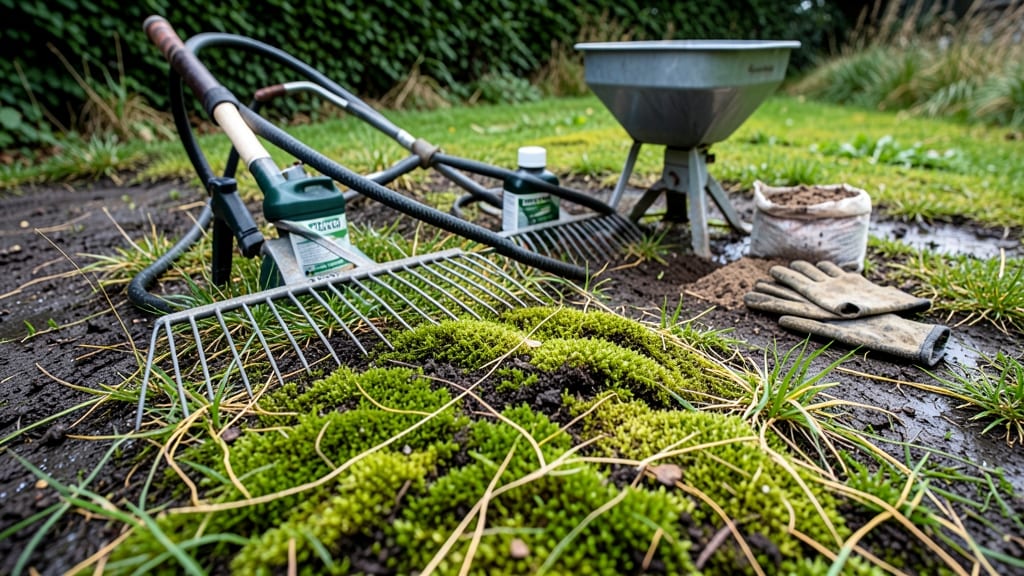
Ridding your lawn of moss isn’t just about aesthetics—it’s about reclaiming nutrients for your grass. 🌱 I’ve battled this stubborn problem for years, and I’ve found a fast natural solution that works in just three steps, no chemicals required.
The key is understanding why moss thrives and how to starve it out for good. Most people assume moss means poor soil, but it actually loves shady, damp conditions—exactly where grass struggles. My lawn transformed after I improved drainage, adjusted my mowing height, and added a simple organic treatment.
No more patchy, spongy ground that ruins your mower blades or makes your yard look neglected. By the end of this process, you’ll have a thicker, greener lawn that resists moss naturally. The best part?
You’ll skip the expensive treatments and harsh chemicals that can harm your grass in the long run. Let’s get your lawn back to looking its best. First, you’ll need a lawn rake (not a leaf rake—this one’s got sturdy tines) and a broom for cleanup.
Grab some lime (if your soil is acidic) and a compost or sand mix to improve drainage. The process takes one weekend afternoon, but the results last all season if you maintain it properly. The secret weapon? Overseeding with a shade-tolerant grass mix after you remove the moss.
This fills in bare spots before moss can reclaim them. I’ve tested this method in both sunny patches and shady corners, and it works every time—no more moss taking over your yard. Once you’ve cleared the moss, the real work begins: preventing it from coming back.
This means adjusting your watering schedule, keeping your mower blade sharp, and aerating the soil once a year. Moss hates competition, so a healthy lawn is the best defense.
Think of it like a game of chess—moss is always looking for an opening, and you’ve got to stay one step ahead.
Root Causes Of Lawn Moss
Moss isn’t just an unsightly lawn nuisance—it’s a sign that your grass is struggling to thrive. Understanding the why behind its growth is the first step to reclaiming a lush, green lawn. Let’s break down the science and environmental factors that turn your yard into a moss magnet.
Moss thrives in wet, poorly drained soil because it doesn’t need deep roots to survive. Unlike grass, which relies on a healthy root system to absorb water and nutrients, moss simply soaks up moisture from the surface. Here’s how it happens:
- Compacted Soil: Heavy foot traffic, machinery, or clay-heavy soil compresses the ground, preventing water from draining properly.
When rain or irrigation sits on the surface, moss gets the perfect growing conditions. - Low-Grade Slopes: Areas where water naturally pools (like low spots or near downspouts) create soggy zones where grass struggles but moss flourishes. - Overwatering: While grass needs consistent moisture, excessive watering (especially in cool, shaded areas) keeps the soil perpetually damp—ideal for moss spores.
Actionable Fix: Test your soil’s drainage by digging a small hole, filling it with water, and timing how long it takes to drain. If it sits for more than 6 hours, your lawn may need aeration or amendments like sand or organic matter to improve drainage.
Moss loves shade because it’s adapted to low-light environments where grass can’t compete. While some grasses tolerate partial shade, most varieties need at least 4–6 hours of direct sunlight to photosynthesize and grow strong. Here’s the breakdown:
- Tree Canopy: Mature trees block sunlight, creating cool, damp microclimates under their branches.
Moss spores land on the soil, germinate, and spread rapidly in these conditions. - North-Facing Lawns: In the Northern Hemisphere, north-facing slopes receive the least sunlight year-round, making them prime moss habitats. - Weak Grass Competition: In shady areas, grass grows slowly or dies back, leaving bare soil for moss to colonize.
Actionable Fix: If shade is unavoidable, choose shade-tolerant grass varieties like fine fescue or creeping red fescue. Alternatively, consider replacing mossy patches with ground covers or mulch to block light from reaching the soil.
Moss prefers acidic soil (pH below 6.0), while most lawn grasses thrive in neutral to slightly acidic conditions (pH 6.0–7.0). Overly acidic soil inhibits grass growth, giving moss an unfair advantage. Here’s how acidity builds up:
- Decomposing Organic Matter: Leaf litter, pine needles, and other organic debris break down into humic acids, lowering pH over time.
- Peat Moss or Pine Mulch: Amendments like peat moss or pine bark can acidify soil if overused.
- Lack of Lime: Without periodic lime applications, soil pH gradually drops, creating a moss-friendly environment.
Actionable Fix: Test your soil’s pH with a DIY kit or send a sample to a local extension office. If pH is below 6.0, apply pelletized lime in early fall or spring to raise it gradually. Aim for a target pH of 6.5–7.0 for most grasses.
Neglecting basic lawn care creates the perfect conditions for moss. Grass that’s thin, weak, or improperly maintained can’t outcompete moss. Key oversights include:
- Infrequent Mowing: Tall grass shades the soil, traps moisture, and creates an ideal moss habitat.
Keeping grass at the recommended height (2–4 inches) promotes thick growth. - No Overseeding: Bare spots or thin grass allow moss spores to take hold. Overseeding in early fall fills gaps and strengthens turf density. - Skipped Fertilization: Grass needs nitrogen, phosphorus, and potassium to grow vigorously.
Without proper fertilization, moss moves in to fill the void.
Actionable Fix: Establish a seasonal lawn care routine:
- Mow regularly (never removing more than ⅓ of the blade at once).
- Overseed in early fall when grass is actively growing.
- Apply a slow-release fertilizer 2–3 times per year to keep grass lush and competitive.
Leaves, twigs, and other organic matter smother grass and create a damp, shaded layer where moss thrives. Here’s how it happens:
- Leaf Litter: Fallen leaves block sunlight and trap moisture against the soil.
- Thatch Buildup: A thick thatch layer (over ½ inch) insulates the soil, keeping it cool and wet—ideal for moss.
- Unraked Mulch: Wood chips or straw mulch can compact and prevent water from evaporating.
Actionable Fix:
- Rake up leaves regularly, especially in fall.
- Dethatch your lawn in early spring if the thatch layer exceeds ½ inch.
- Use a leaf blower to clear debris from shaded areas before moss spores germinate.
Moss is more prevalent in cooler, wetter regions (like the Pacific Northwest, Ireland, or northern U.S. states) because it thrives in consistently moist, chilly conditions. Even in warmer climates, moss can take hold in:
- Early Spring/Fall: When temperatures drop and dew lingers overnight.
- High Humidity: Areas with frequent fog or mist create a perpetually damp environment.
- Rainy Seasons: Regions with 10+ inches of rainfall per month keep soil saturated longer.
Actionable Fix: If you’re in a moss-prone climate, focus on improving drainage, choosing drought-tolerant grasses, and reducing shade. In warmer months, water deeply but infrequently to encourage deep root growth and reduce surface moisture.
Believe it or not, fungi and microbes in your soil can indirectly encourage moss growth. When grass struggles due to poor soil health, beneficial fungi and bacteria shift to support moss instead. Key factors include:
- Imbalanced Soil Microbes: Overuse of chemical fungicides can disrupt the natural microbial balance, favoring moss over grass-friendly organisms.
- Depleted Nutrients: Soil lacking mycorrhizal fungi (which help grass roots absorb nutrients) weakens turf, making it vulnerable to moss invasion.
- High Moisture Retention: Some soil microbes thrive in waterlogged conditions, further promoting moss growth.
Actionable Fix:
- Avoid overusing fungicides—opt for beneficial microbial amendments like mycorrhizal inoculants.
- Compost or organic matter to improve soil structure and microbial diversity.
- Aerate annually to reduce compaction and encourage healthy root zones.
Quick Fixes for a Moss-Free Lawn
Now that you know why moss takes over your lawn, let’s tackle the how—with practical, step-by-step solutions tailored to the root causes. Whether your lawn is too shady, compacted, or simply neglected, these fixes will help you reclaim a lush, moss-free yard.
Plus, we’ll share prevention tips to keep moss from creeping back in.
Moss thrives where grass struggles—typically in low-light areas. If your lawn is perpetually shady, focus on strengthening turf and reducing moss-friendly conditions.
Step 1: 🔥 Choose the Right Grass Seed
Not all grass loves shade. Opt for shade-tolerant varieties like:
- Fine fescue (deep roots, drought-resistant)
- Kentucky bluegrass (spreads well in partial shade)
- Perennial ryegrass (grows quickly in low light)
Pro Tip: 💡 Mix seeds for better coverage—combine a fast-growing ryegrass with a slow-spreading fescue for long-term success.
Step 2: 🍳 Overseed Thin or Bare Spots
If moss has already taken hold, kill it first (see next section), then: 1. Rake out debris and moss with a stiff lawn rake.
- Spread a thin layer of compost (¼ inch) to improve soil.
- Sow shade-tolerant seed and lightly cover with straw.
- Water gently (keep soil moist but not soggy) for 4–6 weeks.
Step 3: ✂️ Trim Overhanging Branches
Even small changes can help. Prune trees or shrubs to let more sunlight reach the ground—just avoid heavy pruning in late summer or fall, as new growth may not harden off before winter.
Prevention Tip:
🌡️ Mow higher in shady areas (3–4 inches) to shade out moss and encourage deeper grass roots.
Moss loves tight, waterlogged soil because grass can’t compete. Aeration is your best friend here—it lets air, water, and nutrients reach the roots.
Step 1: ⏰ Best Time to Aerate
- Spring (early) or fall (late) when grass is actively growing.
- Avoid aerating if soil is frozen, waterlogged, or extremely dry.
Step 2: 👨🍳 Rent or Buy an Aerator
- Manual spike aerators (cheap but less effective).
- Core aerators (rent for ~$60–$80/day)—best option for deep compaction.
- Slice seeders (if overseeding at the same time).
Pro Tip: ✨ Walk your lawn first—if it feels spongy underfoot, aeration is a must!
Step 3: 🌱 Top-Dress with Sand or Compost
After aerating:
- Spread a ½-inch layer of sand or 50/50 sand-compost mix.
- Lightly rake it into the holes.
- Water deeply to help it settle.
Prevention Tip:
🎯 Reduce foot traffic on compacted areas—designate a path or use stepping stones.
Moss adores soggy soil. If your lawn stays wet for days after rain, improve drainage to give grass a fighting chance.
Step 1: 🔪 Check for Low Spots
- Walk your lawn after rain—puddles or slow-draining areas need attention.
- Use a level or string line to spot depressions.
Step 2: 🏗️ Fill or Redirect Water
- Low spots: Add sand or topsoil (1–2 inches) and slope it away from the area.
- Gutters downspouts: Extend them at least 10 feet away from the lawn.
- French drains: For severe cases, install a gravel-filled trench with a perforated pipe to redirect water.
Step 3: 🌱 Plant Drainage-Loving Grass
If water still pools, switch to tall fescue or creeping red fescue—they tolerate brief wet periods better than Kentucky bluegrass.
Prevention Tip:
💡 Test your soil’s drainage—dig a 12-inch hole, fill it with water, and time how long it takes to drain. Ideal: 4–6 hours.
If moss has already taken over, eliminate it without harsh chemicals using these eco-friendly methods:
Method 1: 🔥 Iron-Based Herbicides (Best for Large Areas)
- How it works: Iron disrupts moss’s food chain (no harm to grass or pets once dry).
- How to apply: 1. Choose a liquid iron product (e.g., Iron X, Moss Out).
- Spray evenly on moss (follow label rates).
- Water lightly if moss is dry (but don’t oversaturate).
- Wait 24–48 hours, then rake out dead moss.
Pro Tip: 🌡️ Apply on a warm, sunny day—iron works faster in heat.
Method 2: 🧹 Manual Removal (Best for Small Patches)
- Rake moss when soil is dry (easier to pull up).
- Scrape with a putty knife for stubborn clumps.
- Sprinkle diatomaceous earth (food-grade) to prevent regrowth.
Method 3: 🌱 Vinegar Spray (For Driveways & Sidewalks)
- Mix: 1 gallon white vinegar + 1 cup dish soap.
- Spray moss, wait 24 hours, then scrub with a stiff brush.
Prevention Tip:
✨ Reapply iron treatments every 6–12 months in high-risk areas (shady, damp spots).
To keep moss away long-term, follow this 3-step routine:
- Spring: Aerate + overseed with shade-tolerant grass.
- Summer: Mow high, water deeply but infrequently.
- Fall: Apply iron treatment + top-dress compacted areas.
By tackling the root causes (shade, compaction, water) and strengthening your grass, you’ll create an environment where moss can’t survive—and your lawn will stay green, thick, and healthy all season long!
Frequently asked questions
Why does moss keep coming back even after I remove it?
Moss returns because it thrives in the same conditions that let it grow initially—shady, damp, or compacted soil. To prevent regrowth, address the root causes: improve drainage, aerate compacted areas, and overseed with shade-tolerant grass. Without fixing these issues, moss will simply recolonize bare spots.
Is it safe to use iron-based treatments on my lawn?
Yes, iron-based moss killers are pet-safe once dry and won’t harm grass, unlike salt or chemical herbicides. The iron disrupts moss’s food chain without damaging soil microbes. Just follow label instructions—apply on a dry, sunny day for best results.
Can I use vinegar to kill moss in my lawn?
Vinegar works best on small patches or hard surfaces (like driveways), but it’s too harsh for lawns. The acidity can damage grass roots and disrupt soil pH. For lawns, stick to iron-based treatments or manual removal—both are safer and more effective.
How often should I aerate my lawn to prevent moss?
Aerate once a year in spring or fall for most lawns, but compacted or high-traffic areas may need it twice yearly. This breaks up thatch, improves drainage, and gives grass roots better access to air and nutrients—key for outcompeting moss.
What’s the best grass type to plant after removing moss?
For shady areas, choose fine fescue or creeping red fescue—they tolerate low light and stay green where moss thrives. In sunny spots, Kentucky bluegrass or tall fescue grow thicker and crowd out moss naturally. Always overseed in early fall for best results.