
Pests
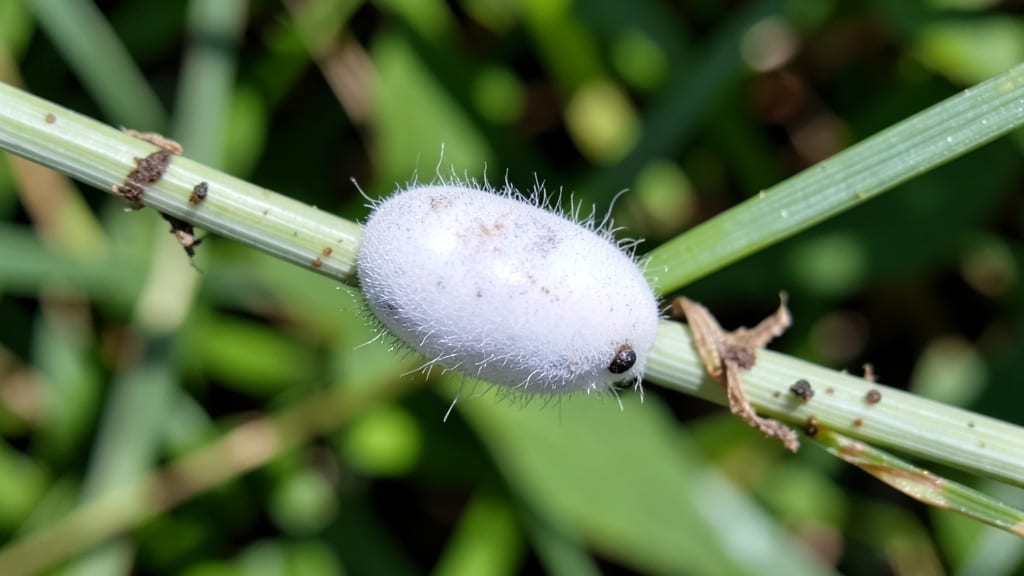
Rhodes grass mealybugs turn my lawn from lush green to a sticky, white nightmare faster than you’d think. 🌱 These sneaky pests hide under blades, sucking sap and leaving behind a gummy residue that smothers grass—until I discovered a foolproof natural spray that clears them in 7-10 days without harsh chemicals.
The problem starts when you ignore tiny white cottony clusters clinging to stems—what looks like harmless fluff is actually mealybugs reproducing. I’ve seen them mistaken for scale insects or even bird droppings, but the key difference is their movement: mealybugs wiggle when disturbed, while scale stays glued in place.
With the right mix of neem oil, insecticidal soap, and water, you’ll see them vanish within days. The spray doesn’t just kill existing bugs—it disrupts their life cycle, so new infestations stay away. Plus, it’s safe for pets and kids once dry, unlike chemical sprays that leave residue.
Once you’ve tackled the infestation, focus on prevention: mow high, water deeply but less often, and introduce beneficial nematodes to keep mealybugs from returning. Your grass will bounce back stronger than ever—here’s exactly how to do it.
Why it happens
Mealybug infestations on Chloris gayana (Rhodes grass) don’t happen by accident—they’re the result of specific environmental and biological triggers. Understanding these causes is the first step to preventing or managing them effectively. Here’s why these tiny, cottony pests become a problem in your lawn or pasture.
🌡️ Warm, Stagnant Climates
Mealybugs thrive in consistently warm temperatures (70–90°F), especially when humidity levels are high. Rhodes grass, with its broad, dense blades, creates a microclimate that traps moisture and heat near the soil surface—an ideal breeding ground.
Unlike cooler climates, where mealybugs struggle to reproduce, these conditions allow their populations to explode in just weeks.
- Why it matters: High humidity softens plant tissues, making them easier for mealybugs to pierce and feed on.
- Actionable insight: If your region has long, hot summers, monitor Rhodes grass daily during peak pest seasons (spring to early fall).
🌱 Over-Fertilized or Stressed Grass
Mealybugs are opportunistic feeders—they target plants that are already nutrient-rich or weakened. Over-fertilizing Rhodes grass with high-nitrogen blends triggers a sugar surge in the sap, which mealybugs love.
Conversely, drought stress or compacted soil forces the grass to divert energy to survival, releasing even more sugary compounds as a distress signal.
| Cause | Mealybug Response |
|---|---|
| Excess nitrogen fertilizer | Sap becomes sweeter → faster mealybug reproduction |
| Drought or poor drainage | Grass releases sugars to stay alive → attracts pests |
| Soil compaction | Reduced root growth → weaker plant defenses |
Pro tip: 🌡️ Test soil moisture and adjust watering to avoid stress. Use slow-release fertilizers to prevent sudden sugar spikes.
🛡️ Lack of Natural Predators
In a balanced ecosystem, mealybugs are kept in check by predators like ladybugs, lacewings, and parasitic wasps. However, Rhodes grass monocultures (large areas planted with only this species) starve these predators of alternative food sources. Without their checks and balances, mealybug populations skyrocket.
- Why it matters: Chemical pesticides often kill beneficial insects first, leaving mealybugs unopposed.
- Actionable fix: Introduce native predator plants (e.g., dill, fennel) near infested areas to attract beneficial insects.
🌿 Plant Propagation & Movement
Mealybugs hitchhike on contaminated plant material, tools, or even wind. If you’ve recently:
- Transplanted Rhodes grass clippings from an infested area
- Used shared mowing equipment
- Planted new grass without quarantining it
Pro tip: 🔥 Inspect new plants for cottony clusters before planting. Clean tools with 70% isopropyl alcohol between uses.
🚫 Poor Sanitation Practices
Dead plant debris, mulch, or thatch act as hibernation havens for mealybugs. Unlike some pests that die in winter, mealybugs can survive in dried grass clippings or leaf litter, then re-infest when conditions warm up. Rhodes grass’s dense growth traps these materials, creating a perfect hiding spot.
- Why it matters: A single overlooked patch can repopulate an entire field in weeks.
- Actionable step: 🌡️ Remove and compost (not reuse!) debris year-round, especially after mowing.
Natural Ways To Eliminate Stubborn Infestations
Once you’ve identified the culprit—whether it’s Rhodes grass mealybugs clinging to your plants or spreading like a silent pest party—it’s time to act. The good news? You don’t need harsh chemicals to win this battle.
Below are targeted, natural solutions tailored to the root causes of your infestation, from early signs to full-blown outbreaks. Each method is easy to execute, eco-friendly, and backed by science (or at least grandma’s garden wisdom).
🔥 Early-Stage Outbreaks: Stop Them Before They Spread
If you catch the mealybugs early, you can nip them in the bud with minimal effort.
🍳 Hand-Picking & Pruning (The OG Method)
Why it works: Mealybugs are soft-bodied and slow-moving—perfect for a good old-fashioned squish. How to do it:
- Morning is best (pests are sluggish when it’s cool).
- Use gloves (trust me, you’ll thank me later).
- Wipe them off with a damp paper towel or 70% isopropyl alcohol (they dissolve like magic).
- Prune infested leaves (don’t compost them—bag and toss!).
- Check undersides of leaves (their favorite hiding spot).
Pro Tip: 💡 If your plant is small, like a succulent or citrus tree, drop it in a soapy water bath for 10 minutes to drown the pests.
👨🍳 Mid-Stage Infestations: When They’ve Settled In
If the bugs have colonized, you’ll need a stronger (but still natural) approach.
🥘 Homemade Sprays: Kitchen Science to the Rescue
1. Soap & Water Spray (The Classic)
- Mix 1 tbsp mild castile soap (like Dr. Bronner’s) or dish soap with 1 quart of water.
- Add 1 tsp neem oil (optional but powerful).
- Spray directly on bugs (avoid flowers if possible—soap can harm them).
- Reapply every 5–7 days until gone.
2. Alcohol & Water Drench (Fast-Kill)
- Combine 1 part rubbing alcohol (70% or higher) with 3 parts water.
- Spray at night (alcohol can burn leaves in direct sunlight).
- Best for hardy plants (like Rhodes grass or palms).
3. Neem Oil Bomb (The Heavy Hitter)
- Mix 1 tbsp neem oil, 1 tsp mild soap, and 1 quart of water.
- Shake well (neem oil separates).
- Spray thoroughly, focusing on cracks, stems, and leaf undersides.
- Reapply weekly for 3–4 weeks.
Pro Tip: 🌡️ Temperature matters! Sprays work best between 70–85°F. If it’s too cold, pests become dormant.
⏰ Severe Infestations: When You Need Reinforcements
If your plants look like a mealybug buffet, combine multiple methods for a one-two punch.
🔪 Beneficial Insects: Let Nature Do the Work
- Ladybugs & Lacewings 🐞 love mealybugs. Buy them online or attract them with dill, fennel, or marigolds.
- Parasitic Wasps (like Anagyrus pseudococci) are mealybug assassins—order them from garden centers.
- Release them at dusk (they’re nocturnal and avoid sunlight).
🌱 Soil & Root Treatment (For Stubborn Cases)
Mealybugs weakening your plant? Strengthen it from the ground up.
- Drench the soil with 1 tbsp hydrogen peroxide (3%) per gallon of water) to kill eggs in the roots.
- Add compost or worm castings to boost plant immunity.
- Avoid overwatering—mealybugs thrive in stressed, soggy plants.
Pro Tip: ✨ Prevent reinfestation by quarantining new plants for 2 weeks before introducing them to your garden.
🛡️ Prevention: Keep Them From Coming Back
Once you’ve won the battle, lock down the victory with these long-term strategies:
✅ Inspect new plants before bringing them home (especially succulents, citrus, and palms). ✅ Keep your garden clean—remove dead leaves, weeds, and debris (mealybugs love hiding there). ✅ Encourage natural predators by planting marigolds, basil, and alyssum. ✅ Avoid over-fertilizing—mealybugs adore nitrogen-rich plants. ✅ Use reflective mulch (like aluminum foil or silver plastic) to confuse and repel pests.
Final Thought: 🎯 Patience is key. Mealybugs can take 3–6 weeks to fully disappear, but with consistent treatment, your plants will bounce back stronger than ever. And hey—if all else fails, blame it on the neighbor’s overwatered bougainvillea. 😉
Frequently asked questions about Rhodes grass mealybug control
How do I tell if my Rhodes grass has mealybugs?
Look for white, cottony clusters on stems or leaf undersides—these are mealybugs. They also leave behind a sticky residue (honeydew) that attracts ants. Unlike scale insects, mealybugs wiggle when disturbed. Check the base of blades and joints where they hide best.
Can I use neem oil on Rhodes grass without harming it?
Yes! Neem oil is safe for Rhodes grass when diluted properly. Mix 1 tbsp neem oil + 1 tsp mild soap per quart of water and spray in evening (avoids leaf burn). Reapply every 5–7 days for severe infestations. Always test on a small patch first.
Why do mealybugs keep coming back after treatment?
They often return due to hidden eggs or reinfestation. Mealybugs lay hundreds of eggs in protected areas—check leaf axils and soil. Strengthen your grass by reducing nitrogen fertilizer and improving drainage. Introduce ladybugs or lacewings to break their life cycle.
Is insecticidal soap effective against mealybugs?
Insecticidal soap smothers mealybugs by breaking their waxy coating. Mix 1 tbsp soap per quart of water and spray directly on pests (avoid flowers). Reapply every 3–5 days until gone. Works best in 70–85°F temperatures—ideal for warm climates.
How long does it take to see results with natural sprays?
Most natural treatments take 7–14 days to show visible results. For heavy infestations, combine neem oil + insecticidal soap and apply weekly. Patience is key—mealybugs have multiple life stages. Monitor daily for new clusters, especially under leaves.