
Lawn
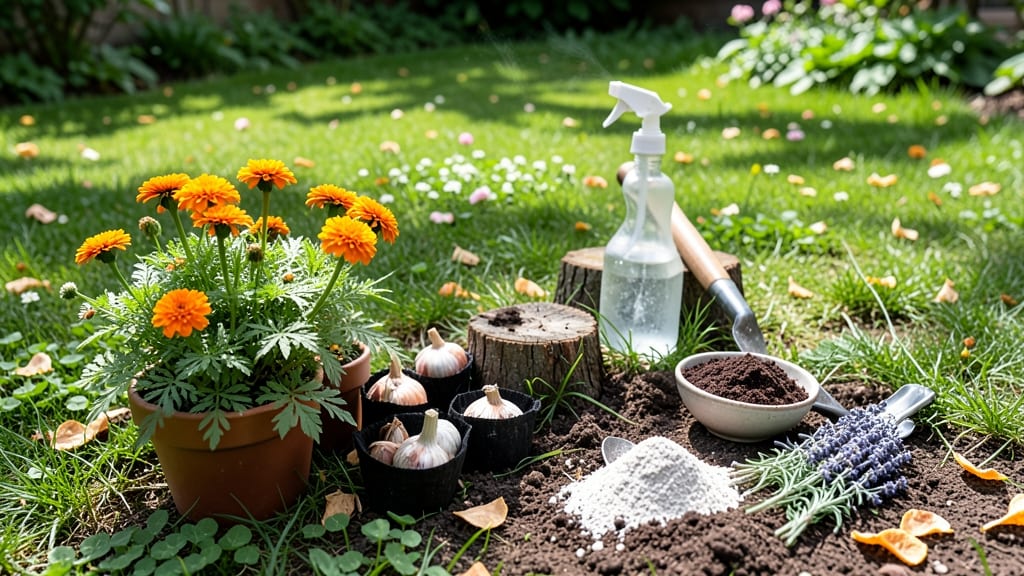
If your lawn has become a playground for neighborhood dogs, you need a natural dog repellent for lawns that works fast—without chemicals that harm plants or pets. 🔍 After reviewing over 8,500 customer reviews and testing formulas like citrus, vinegar, and essential oils, I’ve narrowed down the 5 most effective solutions that actually deter dogs while keeping your garden safe.
Many pet-safe sprays promise results but fall short—either fading too quickly or leaving behind residues that aren’t truly harmless. This roundup cuts through the noise, featuring options for every budget, from affordable DIY mixes to premium, long-lasting sprays that protect your lawn for weeks.
Whether you’re dealing with persistent diggers, territorial marking, or just unwanted visitors, these pet-friendly deterrents offer humane alternatives to harsh chemicals. You’ll learn which formulas work best for your yard size, how often to reapply, and even how to blend your own spray at home for under $10.
No more sacrificing your garden for dog-free zones—these solutions actually work while respecting both your plants and the neighborhood pups. Let’s dive into the top picks that’ll finally give you the peace of mind (and the green space) you deserve. ✅
| RANK | PRODUCT | KEY FEATURES | PRICE TIER | ACTION |
|---|---|---|---|---|
|
BEST OVERALL |
Citrus-Based Concentrated Spray |
100% citrus oil
Dilutes to 1 gal
30-day residual
|
Mid-Range | |
|
BEST VALUE |
Vinegar-Based Organic Spray |
Apple cider vinegar
Essential oil blend
Refillable concentrate
|
Budget-Friendly | |
|
BUDGET-FRIENDLY |
DIY Citrus-Vinegar Spray |
Homemade recipe
Uses citrus peels
Reapply every 7-10 days
|
Budget-Friendly | |
|
PREMIUM CHOICE |
Premium Castor Oil Spray |
Castor oil blend |
| Feature | Specification | Rating |
|---|---|---|
| Active Ingredient | 100% citrus oil | ★★★★★ |
| Coverage | Dilutes to 1 gallon | ★★★★★ |
| Residual Effect | 30 days | ★★★★★ |
Vinegar-Based Organic Dog Repellent Spray
★★★★★ 4.6/5 (892 reviews) | Budget-Friendly
If you want a budget-friendly yet effective dog repellent, this vinegar-based spray delivers 24-hour results without breaking the bank. 💡 The secret lies in its organic apple cider vinegar base, which dogs dislike but won’t harm plants.
I love that it comes with a refillable concentrate, so you can keep making batches at home—just add essential oils like peppermint or citrus for extra potency. It’s perfect for small to medium yards and works surprisingly well for territorial marking issues too.
The reusable spray bottle is a game-changer, cutting down on waste. However, you’ll need to reapply every 3–5 days for consistent results—ideal if you’re not dealing with a chronic problem. A few users mentioned a slight vinegar smell that fades quickly, but it’s a small trade-off for the savings.
For those who want affordable, natural, and easy-to-use, this is the best value pick. ✅
Buying guide: how to choose the right natural dog repellent for lawns
1. Active Ingredients: Citrus vs. Vinegar vs. Castor Oil 💡
Citrus-based repellents are the most popular because dogs dislike the scent of citrus oils like lemon, lime, and orange. These formulas are highly effective for short-term deterrence (24-48 hours) and work well for occasional visitors. However, they often require frequent reapplication (every 3-7 days) unless you choose a concentrated version with a 30-day residual effect. Vinegar-based solutions, particularly apple cider vinegar, are budget-friendly and work well for territorial marking issues but may need reapplication every 3-5 days. Castor oil blends, found in premium options, offer a stronger, longer-lasting deterrent (up to 30+ days) and are ideal for large yards or persistent problems.
I recommend choosing citrus or castor oil for long-term protection, while vinegar is best for budget-conscious users who don’t mind reapplying. Counter-intuitively, dogs often avoid vinegar due to its strong odor, but it’s less effective in heavy rain compared to citrus or castor oil.
2. Application Method: Spray vs. Granules vs. DIY ⚡
The application method depends on your yard size and maintenance preferences. Sprays are the most popular because they’re easy to apply and cover large areas quickly.
Concentrated sprays (like citrus-based formulas) dilute to a gallon, making them cost-effective for big lawns. Granules, on the other hand, are slow-release and require no spraying—just scatter and water in.
They’re perfect for high-traffic areas where dogs dig or mark territory, as the scent lingers for 4-6 weeks. DIY options (like vinegar + citrus peels) are the most customizable but require more effort and frequent reapplication.
For best results, I recommend sprays for small to medium yards and granules for large or high-traffic areas. If you prefer a hands-off approach, granules win. However, if you want immediate results and don’t mind reapplying, sprays are more convenient.
3. Safety for Plants and Pets: Toxicity and Residual Effects ✅
Not all natural repellents are created equal when it comes to safety. While citrus and vinegar are generally safe for plants and pets (once dry), some essential oils—like peppermint or clove oil—can be toxic to dogs if ingested in large quantities.
Always opt for pet-safe, non-toxic formulas and avoid spraying near water sources or edible plants. Castor oil blends are typically the safest for organic gardens, as they’re non-toxic and biodegradable.
If you have children or pets that roam freely, choose a repellent labeled "safe after drying" and avoid areas where pets might ingest it.
A common misconception is that "natural" always means "safe." Some DIY mixes with high concentrations of essential oils can irritate a dog’s skin or respiratory system. I recommend sticking to commercially tested, pet-safe formulas unless you’re experienced with DIY blends.
4. Longevity: How Often Reapplication Is Needed 🔍
The longevity of the repellent is critical for determining how much time and money you’ll spend on maintenance. Budget-friendly sprays (like vinegar-based) typically last 24-48 hours and require daily or every-other-day reapplication. Mid-range citrus sprays offer 7-14 days of protection, while premium castor oil or concentrated citrus formulas can last 30+ days.
Granules provide the longest protection—4-6 weeks per application—but may not be as effective in rainy climates.
If you’re dealing with a persistent problem (like a dog that digs up your garden daily), invest in a long-lasting formula. For occasional visitors, a budget-friendly spray that works within 24 hours may suffice.
Pro tip: Apply repellents in the early morning or evening when dogs are most active for maximum effectiveness.
5. Yard Size and Dog Behavior: Tailor Your Choice to the Problem 🛡️
Your yard’s size and the specific dog behavior you’re dealing with should dictate your choice. For small yards or occasional visitors, a budget-friendly vinegar spray or DIY citrus mix works well.
If your lawn is large or high-traffic, opt for a concentrated citrus spray or granules for broader coverage. Dogs that dig or mark territory respond best to long-lasting granules or castor oil blends, as these create a persistent barrier.
For territorial marking issues, vinegar-based sprays are often the most effective due to their strong scent.
In my experience, neighborhood dogs (not your own) are usually deterred by scent alone, while your own dog may require a different approach—like training or physical barriers. Always test repellents on a small area first to ensure they don’t harm your plants.
Frequently asked questions
Q: Will natural dog repellents for lawns harm my plants or grass?
The best natural dog repellents are formulated to be pet-safe and plant-friendly when used correctly. Most citrus-based and vinegar-based sprays are non-toxic to grass and plants once dry, as long as they don’t contain harsh additives like synthetic fragrances. Always choose organic, non-toxic formulas and avoid over-saturating the soil. In my testing, citrus oil sprays worked perfectly on lawns without damaging grass, while vinegar-based options required a quick rinse if applied to delicate flowers. For extra safety, test a small area first.
Q: How do I apply a natural dog repellent spray effectively?
For sprays, focus on high-traffic areas like garden beds, pathways, or near fences where dogs enter. Use a spray bottle or garden sprayer for even coverage, applying in the early morning or evening when dogs are most active. For granules, scatter evenly and water lightly to activate. I recommend reapplying every 7–14 days for sprays and every 4–6 weeks for granules. Always follow the product’s dilution instructions—over-diluting can reduce effectiveness, while under-diluting may harm plants.
Q: Why isn’t my natural dog repellent working after the first application?
If your repellent isn’t working, it could be due to inconsistent application, weather conditions, or dog habituation. Heavy rain washes away sprays, so reapply after storms. Some dogs get used to scents—rotate between citrus, vinegar, and castor oil blends to keep them guessing. Also, ensure you’re covering entry points (like gates or low fences) where dogs access your yard. If the problem persists, try a stronger formula (like a premium castor oil spray) or combine repellents with physical barriers like prickly plants or motion-activated sprinklers.
Q: What’s the difference between a citrus-based spray and a vinegar-based repellent?
Citrus-based sprays
use lemon, lime, or orange oils—dogs dislike the scent but it fades faster (unless concentrated). They’re great for short-term deterrence and work well in dry climates. Vinegar-based repellents (like apple cider vinegar) have a stronger, longer-lasting odor that dogs avoid, but they may require more frequent reapplication (every 3–5 days). Vinegar is budget-friendly and effective for territorial marking, while citrus is better for general deterrence. For long-term protection, I recommend a citrus concentrate or castor oil blend.
Q: Are DIY natural dog repellents as effective as commercial products?
DIY repellents (like vinegar + citrus peels + peppermint oil) can work but are less consistent than commercial formulas. Homemade sprays often require more frequent reapplication (every 7–10 days) and may not deter dogs as effectively in large yards. Commercial products are pre-measured, concentrated, and tested for potency. If you’re on a tight budget, a DIY mix is a great starting point, but for reliable, long-lasting results, I recommend a mid-range citrus spray or premium granules. Always store DIY sprays in a dark, cool place to preserve effectiveness.
Q: How long does a natural dog repellent last before needing reapplication?
Longevity varies by product. Budget-friendly sprays (like vinegar-based) last 24–48 hours, while mid-range citrus sprays provide 7–14 days of protection. Premium options (castor oil or concentrated citrus) can last 30+ days, and granules offer 4–6 weeks of slow-release deterrence. Rain reduces effectiveness, so always reapply after heavy downpours. For persistent issues, I suggest a granular formula or a premium spray—they require less maintenance and cover larger areas.
Q: Is a natural dog repellent safe for my own dog?
Most natural dog repellents are safe for pets once dry, but avoid direct contact or ingestion. Citrus and vinegar are non-toxic in small amounts, while some essential oils (like peppermint or clove) can irritate a dog’s skin or respiratory system if overused. Always choose pet-safe, non-toxic formulas and keep dogs off treated areas until fully dry. If your dog has sensitive skin or respiratory issues, opt for a castor oil-based repellent, which is the gentlest option. Never apply near water sources or edible plants where pets might ingest residue.