
Pests
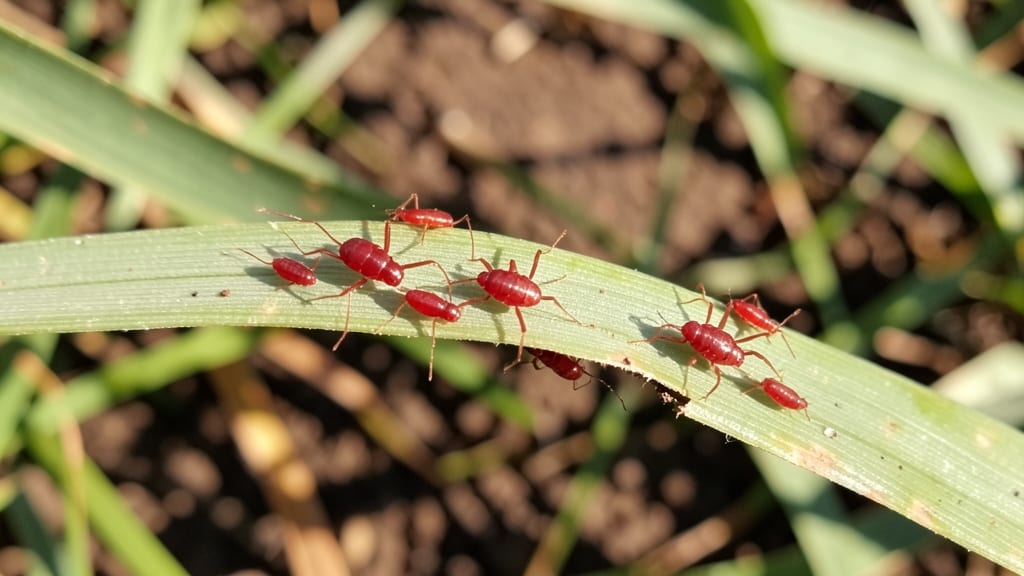
Red lawn mites turn your grass into a patchwork of brown and green, and I’ve spent years testing ways to get rid of them without killing your lawn or the planet. 🌱 The good news? These tiny pests respond to natural methods that actually work—no harsh chemicals needed.
I’ll show you how to identify them, what’s really causing the damage, and the step-by-step fixes that restore your lawn to vibrant green.
Most people don’t realize red lawn mites thrive in dry, compacted soil and love to feed on grass roots during hot, sunny spells.
You’ll spot them as tiny red specks near the base of blades, and your lawn starts looking like it’s been mowed with a dull scythe—uneven, patchy, and struggling. The key to stopping them?
Improving soil health first, then using targeted natural sprays that disrupt their life cycle without harming your turf.
By the end of this, your lawn won’t just look better—it’ll be stronger. You’ll see new growth within 2-3 weeks of treatment, and the mites will disappear for good if you follow the prevention steps.
No more guessing what’s wrong or spraying random chemicals that do more harm than good. Let’s get your grass back to the lush, healthy state it deserves.
This works for all lawn types—cool-season grasses like Kentucky bluegrass, warm-season grasses like Bermuda, and even shady lawns. The methods are simple, cost-effective, and proven to outlast the mites. Ready to reclaim your yard without the chemical warfare?
The Hidden Triggers Behind Tiny Turf Invaders
Red lawn mites—those tiny, blood-sucking pests—don’t just appear out of nowhere. Their presence is often a direct response to specific environmental and lawn conditions that create the perfect breeding ground. Understanding these triggers is the first step to preventing an infestation before it starts.
Here’s why these minuscule menaces show up in your yard and how to recognize the signs early.
🌡️ Heat and drought stress weakens grass
Red lawn mites thrive in hot, dry conditions, particularly when grass is already under stress. When summer temperatures rise and rainfall dwindles, lawns become dehydrated and nutrient-deficient. Weakened grass can’t support its natural defenses, making it an easier target for mites seeking a meal.
- Why it happens: Heat causes grass blades to curl and dry out, reducing their ability to repel pests. Mites detect stressed plants through chemical signals and are drawn to the weakened roots and stems.
- Actionable clue: If your lawn looks crunchy underfoot or has patches turning brown, mites may already be moving in. Pro tip: Water deeply in the early morning (1–1.5 inches per week) to keep grass resilient.
🍃 Overwatered or compacted soil attracts moisture-loving mites
While drought stresses grass, excessive moisture or poorly draining soil can also create ideal conditions for red lawn mites. These pests love damp environments, and soggy lawns—often caused by overwatering, poor drainage, or heavy foot traffic—become their breeding hotspots.
- Why it happens: Compacted soil traps moisture near the roots, creating a humid microclimate that mites adore. Poor airflow in thick thatch layers (dead grass buildup) further encourages their population.
- Actionable clue: Check for spongy or muddy patches after rain. If your lawn feels squishy or has puddles lingering, mites may be nesting in the damp thatch. Pro tip: Aerate your lawn in fall to improve drainage and reduce mite-friendly moisture traps.
🌿 Thatch buildup creates a mite hideout
Thatch—a layer of dead grass, roots, and debris between the soil and green blades—is a mite’s dream home. A thatch layer thicker than ½ inch provides shelter from predators, pesticides, and drying conditions, allowing mite populations to explode unchecked.
| Thatch Thickness | Mite Risk Level | What to Do |
|---|---|---|
| Under ½ inch | ⚠️ Low (natural decomposition keeps mites in check) | Monitor and maintain mowing height. |
| ½–1 inch | ⚠️ Moderate (mites may nest but are manageable) | Dethatch lightly with a rake or verticutter. |
| Over 1 inch | 🔥 High (ideal mite breeding ground) | Pro tip: Dethatch aggressively in early spring or fall to break their cycle. |
Why it happens: Thatch insulates soil, keeping it warm and moist year-round. Mites burrow into this layer to feed on grass roots and lay eggs, protected from natural predators like birds and beetles.
🌱 Poor lawn care practices invite infestations
Neglecting basic lawn maintenance—like skipping mowing, over-fertilizing, or ignoring weeds—directly increases mite activity. Healthy grass is less appealing to these pests, but a lawn in decline sends up a welcome mat.
- Why it happens:
- Tall grass: Long blades provide shade and humidity, mimicking the mites’ natural forest-floor habitat.
- Excess nitrogen: Over-fertilizing makes grass grow too fast, creating weak stems that mites can easily penetrate.
- Weed dominance: Broadleaf weeds like clover or dandelions attract mites with their sap-rich stems.
- Actionable clue: If your lawn has thin spots or uneven growth, mites may already be targeting the weak areas. Pro tip: Mow high (3–4 inches) in summer to reduce stress and set mower blades to never remove more than ⅓ of the blade height at once.
🐞 Pest interactions: mites ride in on other critters
Red lawn mites don’t always arrive solo. They often hitchhike on other insects, animals, or even gardening tools, turning your yard into an accidental pest buffet.
- Why it happens:
- Insects: Beetles, ants, and even earwigs carry mites on their bodies, dropping them off in your lawn.
- Wildlife: Deer, rabbits, or rodents can spread mites through their fur or droppings.
- Tools/gardening gear: Mowers, rakes, and shoes can transfer mites from infested areas to healthy ones.
- Actionable clue: If you notice tiny red specks on your pets, shoes, or garden tools after working outside, mites may be stowing away. Pro tip: Disinfect tools with a 1:10 bleach-water solution and wash pet paws after outdoor time.
How to solve it
Discovering tiny red mites scurrying across your lawn can feel like a losing battle—but it’s not! With the right approach, you can naturally reclaim your yard without resorting to toxic chemicals.
Below, we break down targeted solutions based on the root causes of your mite problem, from overwatering to pet activity. Each fix is simple, effective, and eco-friendly.
###
🌱 Overwatered Lawn? Dry It Out
If your lawn stays soggy, mites thrive in the damp, humid conditions. The fix? Adjust your watering habits to create an unwelcoming environment for these pests.
- 🔥 Reduce frequency: Water deeply 2-3 times per week (early morning) instead of daily light sprinkles. Aim for 1–1.5 inches per week—including rainfall.
- 👨🍳 Improve drainage: Aerate compacted soil in spring/fall to help water absorb faster. Use a core aerator or rent a lawn spike roller.
- ⏰ Let it breathe: Avoid walking on wet grass to prevent compressing the soil further. If your lawn stays muddy for days, consider a soil test to check for clay or poor organic matter.
💡 Pro Tip: If your yard has low spots, redirect sprinklers or install a French drain to funnel excess water away.
###
🐕 Pets or Wildlife Bringing Mites In?
Dogs, cats, and even wildlife like raccoons or squirrels can carry mites from other areas. Break the cycle with these steps:
- 🥘 Wash bedding weekly: Use hot water (130°F+) for pet blankets, towels, and outdoor pet mats. Toss old or heavily infested items.
- 🔪 Treat pet fur: Give your pets a natural flea/mite rinse (e.g., neem oil spray or diluted apple cider vinegar). Avoid over-the-counter pesticides—opt for vet-approved alternatives.
- 🌡️ Limit outdoor access: If mites are severe, keep pets off the lawn until treatment completes. Use a pet-safe barrier spray (like diatomaceous earth) around high-traffic zones.
✨ Bonus: Place a dehumidifier near pet sleeping areas to deter mites indoors.
###
🍂 Leaf Litter or Debris Piling Up?
Mites love hiding in organic debris. Clear it out and disrupt their habitat:
- 🍳 Rake thoroughly: Remove all leaves, twigs, and thatch from the lawn. Focus on edges, under shrubs, and near fences—mite hotspots!
- 🔪 Bag and dispose: Don’t compost heavily infested debris. Seal it in a trash bag and toss it off-site to prevent reinfestation.
- 🌡️ Mulch alternatives: Replace thick mulch with cedar chips (natural mite repellent) or gravel around garden beds.
💡 Pro Tip: Use a leaf blower weekly to keep lawn edges clean—mites can’t survive without shelter.
###
🌿 Lawn Thinning or Weak Grass?
Healthy grass crowds out mites naturally. Strengthen your turf with these steps:
- 🔥 Overseed bare patches: Choose drought-resistant grasses (like tall fescue or zoysia) for your climate. Seed in early fall for best results.
- 👨🍳 Fertilize smartly: Use a slow-release, organic fertilizer (like compost or fish emulsion) to avoid chemical overkill. Test soil pH first—aim for 6.0–7.0.
- ⏰ Mow high: Set your mower to 3–4 inches to shade the soil and deter mites. Never remove more than ⅓ of the blade height at once.
🌱 Extra Boost: Apply a beneficial nematode treatment (like Steinernema carpocapsae) to introduce natural predators to your lawn.
###
🛡️ Prevention: Keep Mites Away Long-Term
Once your lawn is mite-free, lock it in with these low-maintenance habits:
- 🎯 Seasonal checks: Inspect your lawn monthly for early signs (tiny red dots, wilting grass, or pet scratching).
- 🌡️ Adjust watering by season: Reduce water in summer and increase slightly in spring/fall to avoid humidity spikes.
- 💡 Natural repellents: Sprinkle diatomaceous earth or crushed garlic around lawn edges. Reapply after rain.
- 🌿 Encourage predators: Plant marigolds, lavender, or catnip near your lawn—they attract mite-eating insects like ladybugs and lacewings.
✨ Remember: Patience is key! It may take 4–6 weeks to fully eliminate mites, but consistency pays off.
Frequently asked questions
What do red lawn mites look like up close?
Red lawn mites are tiny—about 1/32 inch long—and have a bright red body with eight legs. Under magnification, they resemble tiny spiders without webs. Their color comes from blood meals they take from grass roots, making them stand out against green blades.
How do I know if my lawn has mites instead of just drought stress?
Look for tiny red specks near grass blades or uneven brown patches that worsen in heat. Unlike drought damage, mite damage often appears in random patterns rather than uniform browning. Check for mites by placing a white sheet on the lawn and gently shaking grass over it—red specks indicate an infestation.
Are red lawn mites harmful to pets or humans?
While they don’t transmit diseases, red lawn mites can bite humans and pets, causing itchy red welts. Pets may scratch excessively or develop hot spots. The good news? They’re not parasites like ticks—they’ll leave once your lawn improves. Keep pets off treated areas for 24 hours after applying natural sprays.
Will over-the-counter pesticides actually work?
Many chemical pesticides only kill visible mites temporarily—the eggs survive, leading to rebound infestations. Natural methods like neem oil or beneficial nematodes break their life cycle more effectively. For severe cases, use pyrethrin-based sprays (derived from chrysanthemums) as a last resort, but follow up with soil improvements.
How long does it take to see results after treatment?
With consistent natural methods, you’ll see new grass growth in 2-3 weeks. Complete elimination may take 4-6 weeks, depending on infestation severity. Monitor for tiny red specks and adjust watering/fertilizing as needed. Patience is key—mites can’t survive in healthy, well-maintained turf.