
Lawn
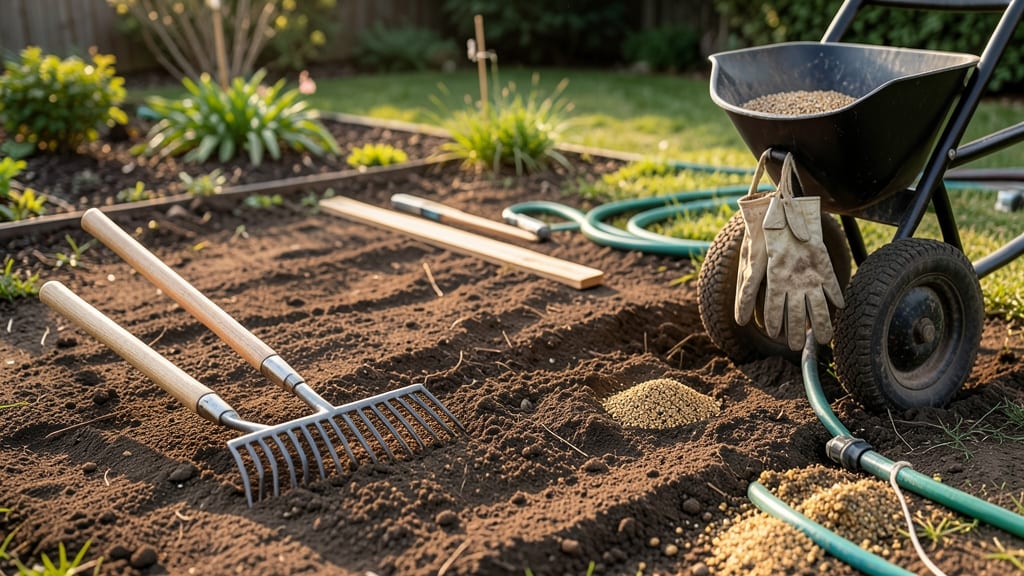
Laying a lawn from grass seed transforms bare ground into a vibrant green carpet—but only if you nail the prep work. 🌱 I’ve watched too many seed projects fail because of rushed soil prep or uneven ground, so let’s skip the guesswork and get it right the first time.
The secret starts with testing your soil’s pH and nutrients, clearing every rock and root, and leveling the ground to within ¼ inch—no shortcuts. Once you’ve got that perfect base, choosing the right seed mix for your climate and foot traffic makes all the difference.
By week 6, you’ll have a thick, disease-resistant lawn that outlasts those patchy store-bought sod jobs. The key is patience: consistent watering, the right fertilizer timing, and knowing when to mow without scalping the new growth. Works for new builds, patchy lawns, or even small backyard sections.
Here’s how to do it without the headaches.
📚 In This Guide
- What you need
- Instructions
- Tips and common mistakes
- Wrapping up and next steps
What you need
- ● Grass seed: Choose a high-quality blend suited to your climate (e.g., Kentucky Bluegrass, Fescue, or Bermuda). Aim for 5–10 lbs per 1,000 sq ft, depending on seed type and coverage goals.
- ● Topsoil or compost: 2–4 inches (for bare soil areas) to improve drainage and fertility.
- ● Lawn roller: A 100–150 lb manual roller to press seed into the soil.
- ● Broadcast spreader: For even seed distribution (or a hand spreader for smaller areas).
- ● Rake: A bow rake (for leveling soil) and a garden rake (for smoothing seed).
- ● Garden hose or sprinkler: With a fine mist nozzle for gentle watering.
- ● Lawn fertilizer: A starter fertilizer (high in phosphorus) to boost root growth.
- ○ Soil test kit (optional): To check pH and nutrient levels before seeding.
- ● Clear the area: Remove debris, rocks, and weeds (use a weed killer if needed).
- ● Test soil moisture: Soil should be damp but not soggy—ideal for seed germination.
- ● Check weather forecast: Aim for warm, dry days (avoid rain for 24–48 hours post-seeding).
- ● Protect pets/kids: Keep them off the new lawn until grass reaches 3–4 inches tall.
Step-by-Step instructions for laying a lawn with grass seed
Here's how I transform bare soil into a thick, vibrant lawn—no shortcuts, just proven techniques.
🌱 Step 1: Prepare the Soil for Perfect Seed Contact
Start by removing all debris, rocks, and weeds from your area. I use a stiff rake to pull out weeds and their roots, then mow any tall grass to 1 inch height. This ensures your new grass seed gets the best possible start by making direct contact with the soil.
Next, loosen the top 4-6 inches of soil with a rototiller or garden fork. Break up any compacted areas—you're aiming for soil that crumbles easily when you squeeze it. If your soil is heavy clay, mix in 2-3 inches of compost to improve drainage and fertility. The goal is soil that's loose, level, and ready to receive seed.
💧 Step 2: Level and Compact the Soil Surface
Drag a level board or straight 2x4 across the area to spot any low or high spots. Fill depressions with additional soil and smooth over mounds. I like to use a lawn roller filled with water or sand for this step—it helps compact the soil just enough to create good seed-to-soil contact without creating a hardpan.
Walk across the area and check for any soft spots that might cause uneven growth. If you find any, compact them further with your feet or the roller. The surface should feel firm but not rock-hard—like a well-trodden garden path. This ensures your grass seed stays in place and gets consistent moisture.
☀️ Step 3: Spread Grass Seed Evenly for Uniform Growth
Use a broadcast spreader for large areas or a hand spreader for smaller sections. Walk in a crisscross pattern to ensure even coverage—don't double up on the same spot. For a 4,000 square foot area, you'll typically need about 8 pounds of seed, but always follow your seed package's recommended rate.
After spreading, lightly rake the area with a stiff-bristled rake to press the seed into the soil just enough to cover it. You want the seed buried at about ¼ inch deep—any deeper and it may not germinate properly. This light covering protects the seed from drying out while still allowing sunlight to reach it.
💧 Step 4: Water Gently but Consistently for Germination
Water immediately after seeding, keeping the soil surface moist but never soggy. I set my sprinkler to deliver a light mist that wets the top ½ inch of soil without creating puddles. Water twice daily—once in the morning and once in the late afternoon—for the first 2 weeks.
After the grass reaches about 2-3 inches tall, gradually reduce watering to 1 inch per week, including rainfall. The key is to keep the soil consistently moist during germination but avoid washing away the seed or creating crusty soil surfaces. You'll know you're doing it right when the soil looks damp but not wet to the touch.
✂️ Step 5: Maintain New Growth for a Thick, Healthy Lawn
Once the grass reaches 3-4 inches tall, mow it to 2-3 inches using a sharp mower blade. This encourages stronger root growth and prevents weeds from taking hold. I always mow when the grass is dry to avoid clumping and ensure an even cut.
Continue watering deeply but less frequently—aim for 1-1.5 inches per week—to encourage deep root development. Avoid walking on the new lawn for at least 4-6 weeks to prevent soil compaction and damage to the delicate new blades. With proper care, you'll have a lush, uniform lawn ready for seasonal enjoyment.
Tips & tricks for perfect grass seed laying
Took me years to figure out these tricks—now your lawn will grow thick and vibrant without the common pitfalls.
Soil Prep Secret: In Step 1, when loosening the top 4-6 inches of soil, don't just break it up—test it! Squeeze a handful of soil in your fist. If it forms a tight clump that doesn't crumble, you need to add more compost or work it harder. The goal is soil that falls apart like dry cake crumbs. This ensures perfect seed-to-soil contact that instructions mention is critical for germination.
Leveling Hack: For Step 2's leveling process, I use a simple trick with my garden hose: Turn it on low and let it run across the area. Where the water pools are your low spots that need filling. This visual cue helps me spot uneven areas before I start adding soil. The roller step becomes much more effective when you've already addressed these spots first.
Seed Covering Tip: When you're lightly raking the seed into the soil in Step 3, think "dusting" not "burying." The ¼-inch depth is crucial—any deeper and sunlight can't reach the seed. I use a fine-mesh screen or old window screen to gently press the seed in, which gives me better control than a regular rake. This keeps the seed protected while still allowing the light it needs to germinate.
Watering Timing: For Step 4's watering schedule, set a reminder for those twice-daily waterings—morning and late afternoon. The key is consistency, not volume. I use a rain gauge to measure exactly ½ inch of water each time. If you're unsure about your sprinkler's output, place empty tuna cans around the yard to catch the water and measure them after each watering session.
Pro Tips for Lay A Lawn With Grass Seed
- Took me years to figure out these tricks—now your lawn will grow thick and vibrant without the common pitfalls.
- Soil Prep Secret: In Step 1, when loosening the top 4-6 inches of soil, don't just break it up—test it!
- Leveling Hack: For Step 2's leveling process, I use a simple trick with my garden hose: Turn it on low and let it run across the area.
Frequently asked questions
Got questions about laying grass seed? You’re not alone!
Here are answers to the most common concerns—from timing to troubleshooting—to help you grow a thriving lawn with confidence.
When is the best time to plant grass seed?
For most regions, early fall (September-October) and late spring (April-May) are ideal. Cooler temps reduce stress on seedlings, while soil is still warm enough for germination. Avoid extreme heat or frost—both can hinder growth. Check your seed packet for specific timing tips!
How often should I water newly seeded grass?
Keep soil consistently moist (not soggy) for the first 2-3 weeks. Water lightly 2-3 times daily (early morning is best) to encourage germination. Once sprouts appear, reduce to 1 inch per week. A sprinkler with a fine mist setting works best.
Can I walk on new grass seed right away?
No!
Wait until the grass reaches 3-4 inches tall (about 4-6 weeks) before walking on it. Until then, avoid foot traffic to prevent seed displacement or soil compaction. Use a board or mat if you must cross the area.
What should I do if birds or animals eat my grass seed?
Cover seeds with straw or a lightweight netting to deter wildlife. Sprinkle slaked lime or bird repellent granules (pet-safe options) around the area. Plant in small sections to reduce vulnerability. If damage occurs, re-seed affected spots promptly.
Is there a cheaper alternative to grass seed?
Yes! Consider hydroseeding (seed + mulch slurry sprayed on soil) for faster coverage, or sod squares for instant grass (though pricier upfront). For budget-friendly options, try clover mixes or native grasses that require less water. Recycled grass clippings can also mulch seeds naturally!
Wrapping up and next steps
Laying a lawn with grass seed is a rewarding project that transforms your outdoor space into a vibrant, inviting retreat—and you’ve got this! By preparing the soil, choosing the right seed, and maintaining consistency in watering and care, you’re well on your way to a lush, healthy lawn. Celebrate your progress, then take the next step: once your grass is established, explore simple ways to enhance its beauty with mulch, fertilizers, or even creative landscaping ideas.
Your green oasis is just beginning!