
Lawn
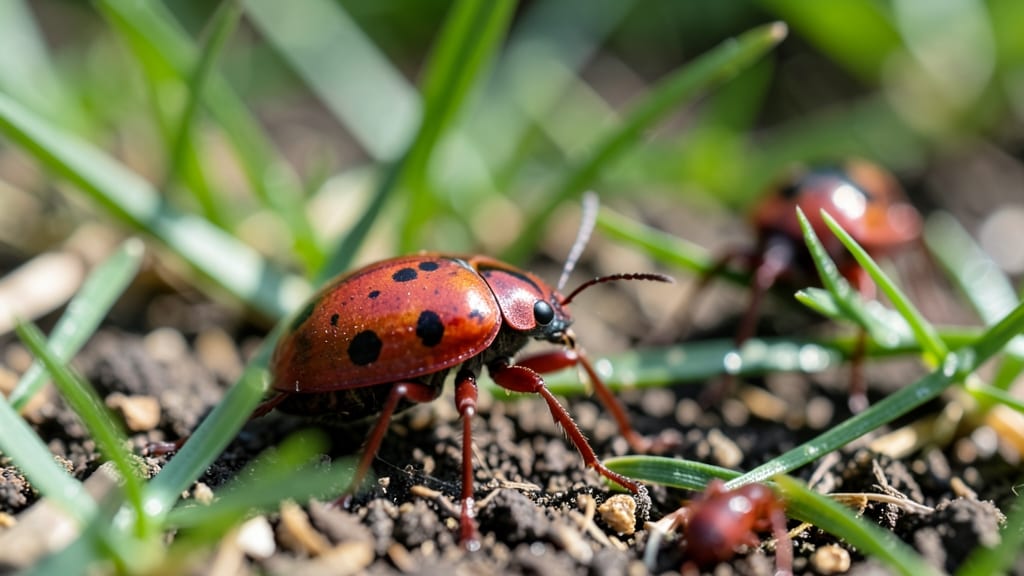
Red lawn bugs are the sneaky culprits behind those mysterious brown patches in your otherwise green grass. 🌱 I’ve battled them for years, and I’ve learned that the key to stopping them isn’t just sprays—it’s understanding their behavior and creating barriers they can’t cross.
These tiny invaders, whether chinch bugs, red ants, or other red pests, thrive in dry, compacted soil, and once they take hold, they multiply fast. The damage starts small—tiny yellow spots that expand into dead patches—but by the time you notice, they’ve already moved deeper into your lawn.
The good news? A few simple, targeted strategies can turn the tide. Think of it like a fortress: you’re not just attacking the bugs, you’re making your lawn an unwelcoming place for them to settle.
With the right approach, you’ll see healthier grass within weeks, not just patches of green. The secret lies in a mix of prevention, early detection, and smart treatments—no harsh chemicals required.
I’ll show you how to spot them before they spread, what they’re really after in your lawn, and how to disrupt their life cycle for good. This works for any lawn type, from shady backyards to sunny front yards.
Let’s get those red invaders out of your grass for good—and keep your lawn lush all season long.
Root Causes Of Lawn Invaders
If your lawn is suddenly covered in tiny red invaders, you’re not alone—these pests are drawn to specific conditions that turn your yard into an all-you-can-eat buffet. 🍽️ Understanding why they show up in the first place is the first step to kicking them out for good.
Below, we break down the real reasons these critters move in, backed by science and actionable insights.
Moisture-loving insects like chinch bugs and fire ants (common red lawn pests) thrive in damp, spongy turf. Here’s why:
- Excess water weakens grass roots, making it easier for pests to burrow and feed.
- Standing water attracts fungus gnats and other moisture-dependent bugs, which then invite predators like red ants.
- Poor drainage turns your lawn into a swamp—ideal for chinch bugs, which lay eggs in saturated soil.
Actionable fix: Water deeply but infrequently (1–1.5 inches per week) and improve drainage with sand or aeration. 💡 Pro tip: Early morning watering reduces evaporation and fungal growth.
Thatch—a layer of dead grass and roots—acts like a protective blanket for pests. Why?
- It traps moisture, creating a humid microclimate where red bugs (like harlequin bugs) love to hide.
- Decomposing thatch releases sugars that attract ants and other scavengers.
- Thick thatch blocks pesticides, making treatments less effective.
Actionable fix: Dethatch in early spring (when soil is moist) or use a vertical mower to break it up. Aim for ½-inch or less of thatch—any thicker, and pests will move in.
Grass starved of nitrogen or overloaded with synthetic fertilizers becomes stress-prone, making it an easy target. Here’s the science:
- Low nitrogen = pale, weak grass = easier for chinch bugs to pierce stems and suck out sap.
- Excess phosphorus (common in lawn fertilizers) can attract red ants, which use it to build nests.
- Potassium deficiencies weaken root systems, leaving grass vulnerable to fungal pests (which red bugs often hitchhike with).
Actionable fix:
- Test soil annually and balance NPK ratios (aim for 3-1-2 or 4-1-2).
- Use organic matter (compost or worm castings) to boost natural defenses.
- Avoid quick-release fertilizers—slow-release or organic options reduce pest attraction.
Red lawn pests don’t just appear—they’re drawn in by your yard’s layout. Common culprits:
- Wood mulch near grass: Termites and carpenter ants (which may have red variants) use wood as a food source and nesting material.
- Rock borders or dense shrubs: These create dark, humid microclimates perfect for fire ants and harvestmen (red harvesters).
- Poorly sealed foundations: Red ants often nest in cracks, then spread into lawns when disturbed.
Actionable fix:
- Replace wood mulch with gravel or inorganic mulch (like rubberized chips).
- Trim shrubs to 3 feet from the lawn edge to reduce hiding spots.
- Seal foundation cracks with caulk rated for outdoor use—ants can’t nest if they can’t get in.
Next up: We’ll dive into natural barriers that stop these red invaders before they even cross into your yard. Stay tuned! 🚫🐜
Natural Ways to Stop Lawn Invaders
If you’ve spotted tiny red bugs marching across your lawn, don’t panic—there are simple, effective ways to kick them to the curb without harsh chemicals. The key is targeting the root cause while reinforcing your lawn’s natural defenses.
Below, we break down the most common triggers and the best fixes to reclaim your green space.
Thin grass leaves gaps where pests love to hide and feed. To crowd out invaders, focus on improving soil health and encouraging dense growth.
🌱 Step 1: Test and Amend Your Soil
- 🔍 Test your soil (DIY kits from garden centers work) to check pH and nutrient levels.
- 💡 Pro Tip: Aim for a pH of 6.0–7.0—most red lawn bugs thrive in acidic or compacted soil.
- 🌿 Add compost or organic matter (like aged manure or leaf mold) to improve drainage and fertility.
👨🍳 Step 2: Overseed Bare Spots
- 🌾 Choose a grass type that matches your climate (e.g., tall fescue for cool regions, Bermuda for warm).
- 🌱 Spread seed in early fall or spring when conditions are ideal for germination.
- 💦 Keep soil moist (not soggy) for 4–6 weeks to help new grass establish.
✨ Step 3: Mow High and Less Often
- ✂️ Set your mower to 3–4 inches—taller grass shades out weeds and deters pests.
- 🔄 Mow when grass is dry (early morning) to avoid clumping and disease.
Red lawn bugs (like chinch bugs or sod webworms) love damp, soggy turf. Improve drainage to make your lawn less appealing.
💦 Step 1: Aerate Compacted Soil
- 🔨 Rent a core aerator (or hire a pro) to pull small soil plugs, allowing water and air to penetrate.
- 📅 Do this in early fall or spring when grass is actively growing.
🌡️ Step 2: Adjust Watering Habits
- 💧 Water deeply but infrequently—aim for 1–1.5 inches per week (including rain).
- ⏰ Water early morning (before 10 AM) to reduce humidity and fungal risks.
- 🚫 Avoid overwatering—bugs thrive in constantly wet grass.
🎯 Step 3: Redirect Water Flow
- 🔧 Check for low spots where water pools—level them with sand or topsoil.
- 🌿 Install a French drain if your yard has chronic drainage problems.
Piles of leaves, clippings, and weeds create hiding spots for red lawn bugs. A tidy yard is a bug-free yard.
🍂 Step 1: Remove Thatch and Debris
- 🪒 Rake up thick layers of thatch (over ½ inch)—it traps moisture and pests.
- 🌿 Clear leaf litter and clippings regularly, especially in fall and spring.
🌱 Step 2: Pull Weeds Early
- 🌿 Hand-pull weeds (like crabgrass) before they seed.
- 💡 Pro Tip: Use a vinegar spray (1 gallon vinegar + 1 oz dish soap) for organic weed control.
🔄 Step 3: Rotate Lawn Care Practices
- ✨ Avoid heavy fertilizer use—bugs love lush, soft grass. Stick to slow-release, organic fertilizers.
- 🌿 Plant clover or creeping thyme in sunny patches—these ground covers repel pests naturally.
Once your lawn is healthy, maintain it with these low-effort habits to stop red bugs from returning:
- 🌿 Mow regularly (never remove more than ⅓ of the grass blade at once).
- 💧 Water consistently—don’t let soil dry out completely or stay waterlogged.
- 🌱 Overseed thin areas every 2–3 years to keep grass dense.
- 🔍 Inspect your lawn monthly—catch early signs of bugs (yellow patches, wilting grass).
- 🌿 Plant pest-repelling borders like marigolds, mint, or catnip around your yard.
With these steps, your lawn will become a bug-proof fortress—thick, healthy, and uninviting to unwanted critters. 🚫🐜 No chemicals needed!
Frequently asked questions
What are the most common red lawn bugs I should watch for?
The most likely culprits are chinch bugs (tiny, red-black bugs that cause yellow patches), fire ants (red with painful bites), and harvestmen (red spider-like creatures). Look for small red insects near grass blades or in thatch layers—these are the usual troublemakers.
How do I tell if my lawn damage is from red bugs or drought?
Check for tiny red insects or their eggs (tiny white specks) near grass roots. Drought damage appears uniformly brown, while bug damage starts as small yellow spots that spread irregularly. Pull up a section of grass—if you see bugs, that’s your answer!
Are red ants in my lawn dangerous?
Fire ants (red with white abdomens) can deliver painful stings, but they’re not medically dangerous unless you’re allergic. The real issue is their aggressive nesting—they create mounds that damage grass roots and attract other pests. Remove mounds with vinegar or insecticidal soap.
Can diatomaceous earth really kill red lawn bugs?
Yes! Food-grade diatomaceous earth works by dehydrating bugs when they crawl through it. Sprinkle a thin layer (½ cup per 10 sq ft) on dry grass in the morning—it’s safe for pets once settled. Reapply after rain. Best for chinch bugs and ants.
What’s the fastest way to stop a chinch bug infestation?
Combine soapy water spray (1 tsp dish soap + 1 gallon water) with overseeding bare spots. Spray directly on bugs in the morning when they’re active, then reseed the damaged area. Repeat weekly until you see new grass growth.