
Lawn
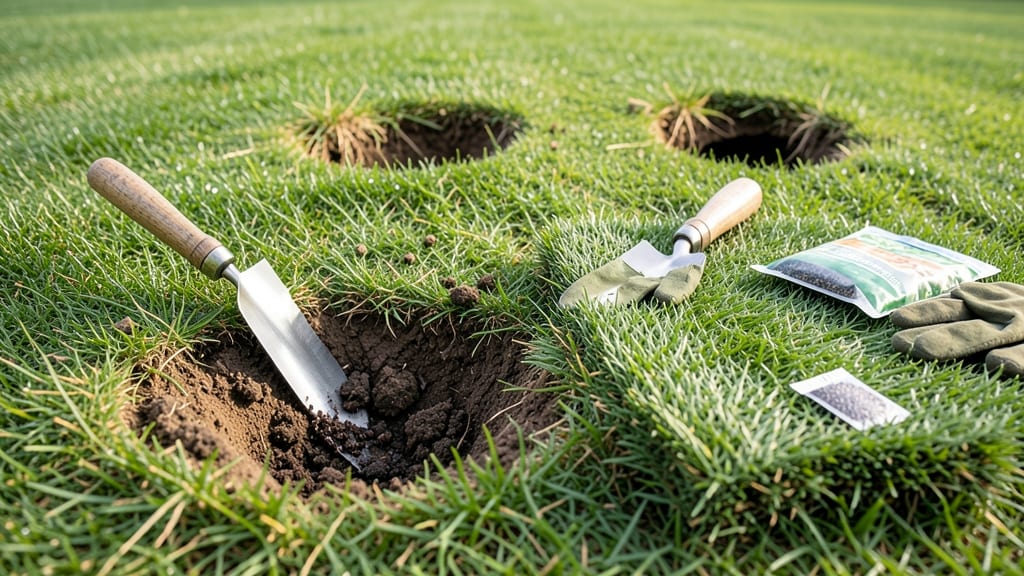
Rat holes in your lawn aren’t just unsightly—they’re a fast way to turn your yard into a rodent highway. 🌱 I’ve spent too many weekends watching my carefully mowed grass turn into a pockmarked mess, and I’ve learned the quickest way to fix them before they become permanent damage.
The secret? A mix of speed and strategy that keeps your lawn looking smooth while keeping rats from coming back.
First, you’ll need to fill those holes with a fast-setting patch mix—think 60% topsoil and 40% compost for drainage and root growth. Pack it down firmly, then top with a thin layer of grass seed and mulch.
Water lightly, and within 10-14 days, you’ll have a patch that blends right in. The key is acting fast; rats will dig again if the holes stay open too long.
But here’s the game-changer: preventing them in the first place. Sprinkle coarse sand or diatomaceous earth around problem areas—rats hate the grit under their paws. For long-term fixes, consider hardware cloth barriers under mulch beds or near garden edges.
It’s a small investment that saves your lawn (and your sanity) in the long run.
This method works for any yard size, whether you’re dealing with a few scattered holes or a full-on rodent construction zone. The goal? A lawn that stays smooth, strong, and rat-free—without breaking the bank or your back. Let’s get those holes filled for good.
The Hidden Triggers Behind Lawn Holes
Those mysterious rat holes in your lawn aren’t just random—there’s a science (and a few sneaky critters) behind them. Understanding why they appear is the first step to stopping them for good.
Below, we break down the most common causes, from hungry pests to poor soil conditions, with actionable insights to help you reclaim your yard.
Rats and mice are the top suspects when it comes to lawn holes, and their digging habits are tied to survival instincts. Here’s why they’re tunneling under your grass:
- Food Scavenging: Rats and mice dig to access buried food sources—think fallen fruits, seeds, or even discarded scraps from your trash. A single rat can create multiple holes while foraging for a meal.
- Nesting: Female rats and mice need soft, dry nesting material, and your lawn’s grass roots or thatch layer can be an inviting spot. They’ll dig shallow tunnels to create cozy burrows, especially in damp or undisturbed soil.
- Territorial Marking: Rats use scent glands and burrow systems to claim their space. If your yard has a high rodent population, you’ll see a network of interconnected holes as they expand their domain.
💡 Pro Tip: Look for fresh holes (often with torn grass edges) near trash cans, pet food bowls, or dense vegetation—these are hotspots for rodent activity.
Not all lawn holes are rat-made. Other critters dig for different reasons, and their tunnels can mimic rodent activity. Here’s how to tell them apart:
| Pest | Why They Dig | Hole Characteristics |
|---|---|---|
| Moles | Feed on grubs, worms, and insects. Their tunnels are functional highways for hunting, not nesting. | Small, volcano-shaped mounds (1–3 inches wide) with no grass torn away. Holes may appear in lines or zigzags. |
| Voles | Herbivores that gnaw roots and bulbs. They dig shallow tunnels to avoid predators and create runways between food sources. | Holes are smaller and less obvious—look for surface-level runways or chewed grass near holes. Often found near garden edges. |
| Gophers | Dig extensive burrow systems for food storage and shelter. Their tunnels can collapse, creating larger holes. | Holes are 2–4 inches wide, with plugged entrances (dirt pushed out). May see mounds of fresh dirt near holes. |
🔥 Key Difference: Rat holes are usually irregular and scattered, while mole or gopher holes often follow patterns or paths. Voles leave surface damage (chewed plants) rather than deep holes.
Even without pests, your lawn’s structure can make it a prime target for digging. Here’s how poor soil health plays a role:
- Loose or Sandy Soil: Rats and other burrowers prefer soil that’s easy to dig. If your lawn has sandy, poorly compacted soil, it’s an open invitation for tunnels. Heavy foot traffic or construction can also loosen the ground.
- High Moisture or Flooding: Damp soil is harder to dig, but saturated soil can force rodents to create shallow tunnels near the surface—leading to more visible holes. Poor drainage exacerbates the problem.
- Thin or Dead Grass: A sparse lawn leaves bare patches where rodents can dig without resistance. Weak grass roots also mean less natural resistance to tunneling.
- Compost or Organic Debris: If you’ve recently amended your soil with compost, leaves, or mulch, rats may dig through it, thinking it’s a food source or nesting material.
🌡️ Seasonal Factor: Holes spike in spring and fall when rodents are most active and soil is softer after winter thaw or autumn rains.
Sometimes, the problem starts with us. Unintentional lawn care mistakes can attract rodents or weaken the soil:
- Overwatering: Excess moisture softens soil and attracts insects (like grubs), which in turn draw moles and rats.
- Leaving Food Accessible: Pet food left outdoors, unsecured trash, or fallen fruit trees create buffet opportunities for rats.
- Ignoring Lawn Debris: Piles of leaves, branches, or yard waste provide cover and nesting material for rodents.
- Using Chemical Pesticides: Harsh pesticides can kill beneficial insects, leaving grubs and larvae as the only food source for moles—who then dig more aggressively.
✨ Prevention Hack: Keep your lawn mowed short (1–2 inches) and remove debris regularly. This reduces hiding spots and makes it harder for rodents to dig undetected.
How to solve it
Now that you understand why those pesky rat holes keep popping up in your lawn, it’s time to take action! 🚀 The good news is that most fixes are simple, cost-effective, and can even help prevent future problems.
Below, we’ve mapped out practical solutions based on the most common causes—plus tips to keep your lawn smooth and rat-free.
If rats or other burrowing critters are the culprits, your first step is to fill the holes while also making your yard less inviting to them.
Step 1: 🔥 Fill the Holes Immediately
- Use a shovel or trowel to scoop out loose dirt and debris.
- Pack the hole with topsoil or a mix of soil and compost (about 3–4 inches deep).
- Tamp it down firmly with your foot or a board to eliminate air pockets.
- Pro tip: 💡 If the hole is deep (over 6 inches), consider adding a layer of sand or gravel at the bottom for drainage before filling with soil.
Step 2: 🌱 Smooth and Seed
- Rake the filled area to blend it with the surrounding grass.
- Sprinkle grass seed (matching your lawn type) over the spot and lightly cover with a thin layer of soil.
- Water gently but thoroughly to help seeds germinate.
Step 3: 🏷️ Deter Future Visitors
- Remove food sources: Secure trash cans with lids, clean up fallen fruit, and store pet food indoors.
- Natural repellents: Sprinkle peppermint oil, cayenne pepper, or crushed garlic around the perimeter—rats hate these scents!
- Traps or humane options: If the problem persists, set up live traps (check local regulations) or use ultrasonic repellents.
If your lawn is soggy or compacted, water pooling and erosion create the perfect conditions for holes to form.
Step 1: 🏗️ Test and Amend Soil
- Dig a small test hole (6 inches deep) to check drainage. If water pools after 30 minutes, your soil is clay-heavy or compacted.
- Improve drainage by mixing in sand, perlite, or compost to loosen the soil.
- Pro tip: 🌡️ For heavy clay soil, add gypsum (calcium sulfate) to break up compacted layers over time.
Step 2: 💦 Adjust Watering Habits
- Water deeply but infrequently (1–1.5 inches per week) to encourage deep root growth.
- Avoid light, frequent watering, which keeps the topsoil soggy and prone to erosion.
- Use a soaker hose or drip irrigation to deliver water directly to roots without splashing.
Step 3: 🌿 Aerate for Long-Term Health
- Rent a core aerator (or hire a lawn service) to pull small plugs of soil, reducing compaction.
- Do this in early fall or spring for best results.
- Pro tip: ✨ After aerating, top-dress with compost to nourish roots and improve structure.
If holes appear from wind erosion, pet activity, or kids playing, you’ll need a stronger repair strategy.
Step 1: 🛠️ Patch with a Lawn Repair Mix
- Use a pre-mixed lawn patch mix (available at garden centers) for quick fixes.
- Follow package instructions, but generally:
- Fill the hole with the mix.
- Press down firmly.
- Water immediately to activate binding agents.
Step 2: 🏀 Protect High-Traffic Areas
- Reinforce bare spots with sod strips (cut to fit) or hydroseed for a fast, green cover.
- For pets or kids, consider artificial turf in high-use zones to prevent future damage.
- Pro tip: 🎯 Use edging tools to define pathways and prevent soil from washing into walkways.
Step 3: 🌿 Strengthen Grass Growth
- Fertilize lightly (use a slow-release, high-nitrogen formula) to encourage thick grass.
- Mow high (3–4 inches) to shade soil and reduce erosion.
- Overseed thin areas in early fall for a lush, resilient lawn.
Once you’ve repaired the damage, keep your lawn smooth and strong with these habits:
- 🌱 Regular mowing and dethatching keeps grass healthy and reduces weak spots.
- 💧 Drainage checks: If your yard floods after rain, consider French drains or swales (shallow trenches) to redirect water.
- 🐾 Pet care: Train pets to use designated potty areas and clean up waste promptly to avoid soil compaction.
- 🌿 Seasonal maintenance: Aerate, overseed, and fertilize twice a year (spring and fall) for a resilient lawn.
With these fixes, your lawn will bounce back faster than a rat on a trampoline! 🐀💨 Whether you’re dealing with burrowing pests, poor drainage, or foot traffic, a little effort now will save you from bigger headaches later. Happy repairing!
Frequently asked questions
Why do rats dig holes in my lawn even after I fill them?
Rats are persistent because they’re drawn to the same conditions that created the holes in the first place. If you only fill holes without addressing food sources (like fallen fruit or pet food), they’ll keep digging. Always remove attractants and use natural repellents like peppermint oil or coarse sand to disrupt their digging patterns.
How can I tell if my lawn holes are from rats vs. moles or gophers?
Rat holes are usually irregular and scattered with torn grass edges, while mole holes form volcano-shaped mounds in zigzag patterns. Gopher holes are 2-4 inches wide with plugged entrances, and voles create surface-level runways with chewed plants nearby. Check for these clues to identify the culprit!
What’s the fastest way to fill deep rat holes (over 6 inches)?
For deep holes, start with a 2-inch layer of sand or gravel at the bottom for drainage, then fill the rest with a 60/40 mix of topsoil and compost. Tamp it down firmly with a board, then top with grass seed and mulch. This prevents compaction and helps new grass establish within 10-14 days.
Are there humane ways to get rid of rats without traps?
Yes! Try natural deterrents like spreading diatomaceous earth (food-grade) around problem areas—it disrupts their exoskeletons. You can also use ultrasonic repellents or plant rat-resistant ground covers like mint or marigolds. Remove food sources (trash, pet food) and keep grass mowed short to eliminate hiding spots.
Will filling rat holes make my lawn look patchy?
Not if you use the right technique! After filling, blend the area with surrounding grass by raking, then sprinkle grass seed and mulch. Water lightly daily for 7-10 days to encourage germination. For instant results, use sod strips instead of seed—just press them into the filled hole and water thoroughly.