
Pests and Diseases
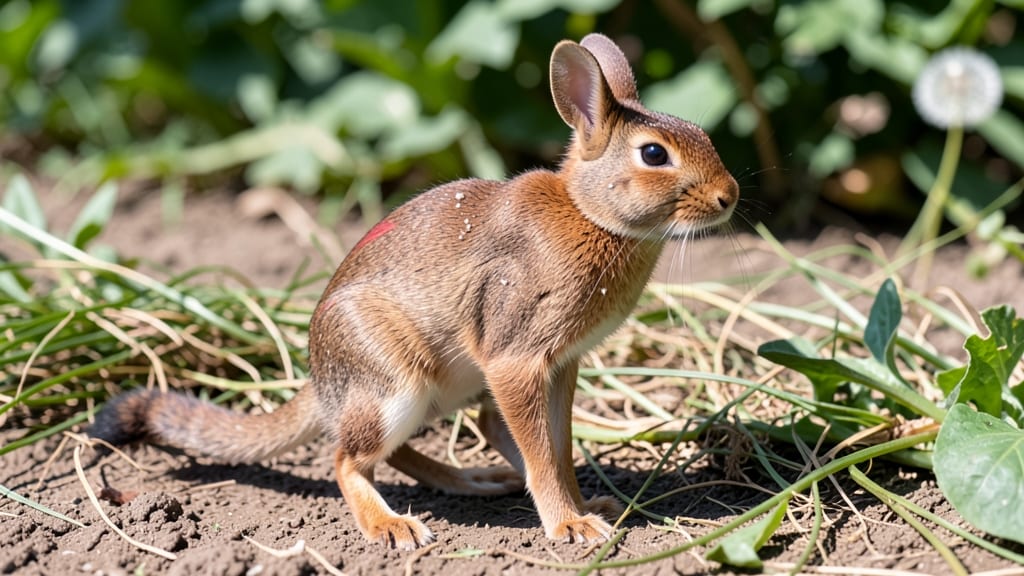
Rabbit grass weed isn't just a nuisance—it's the plant that turns your yard into a tangled mess if you don't act fast. 🌱 I’ve spent years wrestling with this stuff, and I’ll show you how to reclaim your garden edges without plastic borders or harsh chemicals.
The key? Understanding its growth habits and hitting it at the right time.
This grass spreads like wildfire because it thrives in disturbed soil and crowded spaces. But here’s the good news: it’s shallow-rooted and responds well to targeted removal. You’ll need basic tools—a sharp spade, gloves, and maybe some vinegar for stubborn patches—and a plan to keep it from creeping back.
The payoff? Clean, defined edges that look intentional, not like a weed warzone.
By the end, your lawn edges will stay sharp and weed-free for months. No more digging up plastic strips or dealing with chemical residue. The secret is consistency—pull it young, smother it where it can’t grow, and watch your garden reclaim its borders naturally.
Ready to say goodbye to rabbit grass for good?
Whether you’re dealing with a small patch or a full yard takeover, this method works in sunny spots and partial shade alike. Let’s get those edges looking sharp without the hassle.
How Invasive Grass Takes Over
Rabbit grass weed—often prized for its ornamental appeal—can quickly become a nuisance when it spreads uncontrollably. Understanding the root causes behind its aggressive growth helps homeowners and gardeners take proactive steps to manage (or even harness) its spread.
Here’s why it happens, broken down by the key factors driving its persistence.
🌱 Natural growth habits & aggressive spread
Rabbit grass (Bromus catharticus) is a cool-season annual grass with a biological advantage: it germinates rapidly in early spring and spreads via seeds and stolons (horizontal runners). Unlike slow-spreading lawn grasses, rabbit grass:
- Produces thousands of seeds per plant—a single mature stalk can release 500–1,000 seeds, ensuring dense colonization.
- Grows in dense clumps, outcompeting weaker plants by blocking sunlight and absorbing nutrients.
- Thrives in disturbed soil, making it a common "pioneer species" in construction sites, bare patches, or recently tilled gardens.
Actionable insight: If your lawn has thin spots or compacted soil, rabbit grass will exploit the opportunity. Regular mowing and overseeding with competitive grasses (like tall fescue or Bermuda) can help suppress it.
🌦️ Favorable climate & soil conditions
This grass flourishes in environments that mimic its native Mediterranean and temperate climates. Key triggers include:
| Factor | Why It Matters | How to Adjust |
|---|---|---|
| 🌡️ Moderate temperatures | Ideal germination range: 50–75°F. It bolts (rapidly grows) in cooler weather, then goes dormant in extreme heat. | Mow aggressively during spring (when it’s most active) to cut off seed heads before they spread. |
| 💧 Moisture fluctuations | Tolerates drought but re-sprouts after rain. Dry periods weaken competing grasses, giving rabbit grass an edge. | Deep water established lawns (1–1.5 inches per week) to encourage deeper roots in desirable grasses. |
| 🏗️ Poor soil quality | Prefers low-nutrient, sandy, or clay-heavy soil where other plants struggle. It’s a weed because it’s adaptable, not picky. | Test soil pH (ideal: 6.0–7.0) and amend with compost to boost native grass resilience. |
Pro tip: Rabbit grass hates competition. A thick, healthy lawn (with 3+ inches of grass blades) starves it out by limiting sunlight and space. 🌱
🔄 Human activities that accelerate spread
While rabbit grass is a natural opportunist, human actions often accelerate its takeover. Common culprits:
- 🌾 Seed contamination: Many "wildflower" or "native grass" seed mixes contain rabbit grass as a filler. Always check labels for Bromus spp..
- 🛠️ Lawn renovation mistakes: Aerating, dethatching, or tilling stirs dormant seeds to the surface, triggering a germination boom.
- 🚜 Construction or landscaping: Topsoil from nurseries or neighboring properties may harbor seeds. Quarantine new soil for 3–6 months before use.
- 🐾 Animal activity: Birds and small mammals disperse seeds over long distances. Rabbit grass seeds can remain viable in soil for up to 5 years.
Key takeaway: Prevention starts with seed source vigilance and minimizing soil disturbance. If you’re adding mulch or compost, screen it first to remove weed seeds. 🔍
Next steps: Now that you know why this grass spreads, the good news? You can control it—or even use it strategically as a natural lawn edging solution. Stay tuned for targeted removal methods and smart landscaping hacks to keep it in check.
How to Fix It Naturally
If you’re dealing with an overzealous patch of rabbit grass (or any invasive ground cover) creeping into your lawn or garden, don’t panic—there are effective, eco-friendly ways to reclaim your space.
Below, we’ve mapped the most common causes to targeted solutions, from quick fixes to long-term prevention. Let’s tackle this step by step!
🔥 Overgrowth in Lawns or Garden Beds
Cause: Rabbit grass thrives in sunny, well-drained areas and spreads aggressively via rhizomes (underground stems). If left unchecked, it can smother your lawn or crowd out desired plants.
🍳 Pull It by Hand (Best for Small Patches)
- When to do it: Early morning or after rain (soil is soft).
- How:
- Wear gloves and kneel to grip the base of the grass.
- Pull upward with a firm tug—rhizomes should come out easily if the soil isn’t compacted.
- Dispose of clumps in the trash (never compost—it’ll regrow!).
- Pro Tip: Use a weeding tool or hula hoe for stubborn patches to avoid hand fatigue.
👨🍳 Smother It with Mulch or Cardboard
- For garden beds: Lay down cardboard (no tape/glossy ink) or black plastic to block sunlight for 4–6 weeks. Rabbit grass will die without light.
- For lawns: Apply a thick layer (3–4 inches) of mulch (straw or wood chips) to suffocate it. Replenish as needed.
🥘 Solarize the Soil (For Stubborn Spots)
- Best for: Hot, dry climates (or late spring/early summer).
- How:
- Water the area thoroughly.
- Cover with clear plastic sheeting, securing edges with rocks or soil.
- Leave for 4–6 weeks—sun + trapped heat will kill roots and rhizomes.
- Pro Tip: Check weekly to ensure plastic stays in place. Remove debris first to maximize heat absorption.
🔪 Creeping Along Sidewalks or Driveways
Cause: Rabbit grass often invades hardscapes because it’s drought-tolerant and fills gaps between cracks.
⏰ Prevent Spread with Edging
- DIY Edging:
- Use metal or plastic landscape edging (6–8 inches deep) to block rhizomes from spreading.
- Bury the edge 1–2 inches into the soil for a tight seal.
- Natural Barriers:
- Plant deep-rooted perennials (like daylilies or ornamental grasses) along borders to outcompete rabbit grass.
- Try gravel or wood chips as a mulch barrier—just keep it 3+ inches thick.
🔥 Vinegar Spray (For Targeted Kill)
- Mix: 1 gallon white vinegar + 1 oz dish soap (lowers surface tension).
- Apply: Spray directly on leaves on a sunny day (avoid desired plants).
- Repeat: Every 3–5 days until brown and crispy.
- ⚠️ Warning: Vinegar won’t kill rhizomes—combine with pulling for best results.
🌱 Preventing Regrowth Long-Term
Cause: If you don’t address the rhizomes or improve soil conditions, rabbit grass will bounce back.
💡 Improve Soil Health
- Test your soil (pH 6.0–7.0 is ideal for most lawns).
- Add compost (2–3 inches) to encourage deeper grass roots that outcompete weeds.
- Overseed with tall fescue or Bermuda grass (dense varieties resist invasion).
🎯 Mow High and Often
- Keep your lawn 3–4 inches tall—taller grass shades out weeds.
- Mow weekly in growing season to weaken rabbit grass before it spreads.
✨ Solarization + Replanting Combo
- After solarizing, aerate the soil to break up compacted areas.
- Plant clover or creeping thyme—these ground covers deter rabbit grass naturally.
Final Reminder: Consistency is key! Rabbit grass is tough but beatable with a mix of manual removal, smothering, and prevention. Start with the method that fits your situation, and soon you’ll have a lush, weed-free space—no plastic edging required!
Frequently asked questions
How can I tell rabbit grass apart from other weeds in my lawn?
Rabbit grass has long, narrow leaves with a smooth, slightly rolled edge and grows in dense clumps. Look for seed heads that resemble rabbit ears (hence the name) when mature. Unlike crabgrass, it doesn’t form a flat rosette, and it spreads via both seeds and underground runners.
Is rabbit grass harmful to my lawn or garden?
While not toxic, rabbit grass can smother desirable plants by outcompeting them for sunlight and nutrients. Its aggressive spread can also create an uneven, patchy lawn appearance. The real issue is its rhizome system, which makes it difficult to eradicate once established.
Can I use vinegar to kill rabbit grass without damaging my lawn?
Vinegar works best for targeted spot treatment—mix 1 gallon white vinegar + 1 oz dish soap and spray directly on the grass (avoid desirable plants). For lawns, use a shield or cardboard to protect surrounding grass. Repeat every 3-5 days until dead, but note it won’t kill rhizomes—combine with pulling for full removal.
How long does it take to completely remove rabbit grass?
With consistent effort, you can see noticeable improvement in 4-6 weeks. Full eradication may take 3-6 months depending on patch size and method. Smothering techniques (cardboard/plastic) work fastest, while manual pulling requires weekly maintenance
Will rabbit grass grow back if I don’t treat the soil?
Absolutely—rabbit grass seeds can remain viable in soil for up to 5 years. Even after removal, new plants will sprout from dormant seeds or remaining rhizomes. Always improve soil health (compost, proper pH) and overseed with competitive grasses to prevent regrowth.