
Lawn
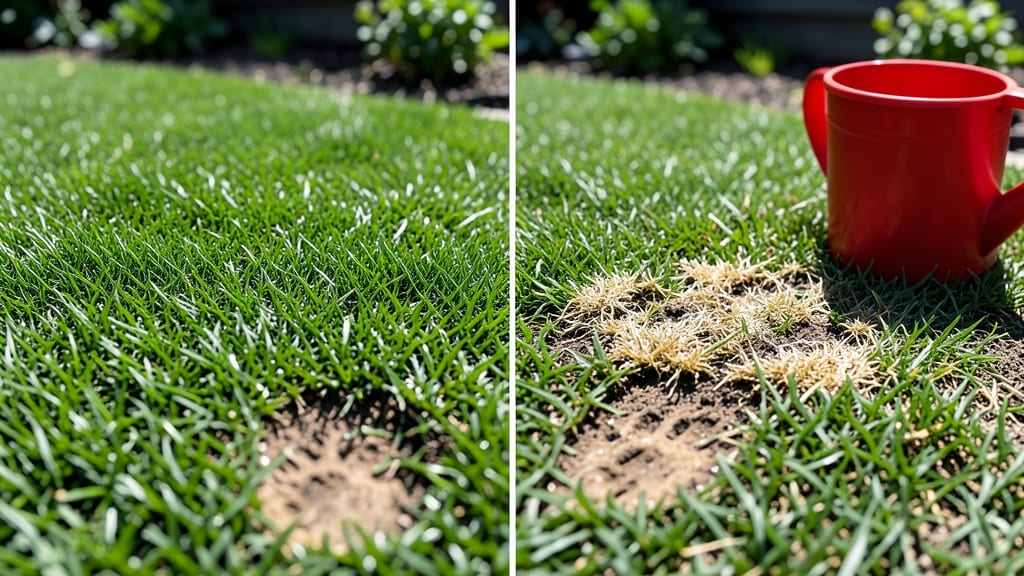
Your lawn doesn’t have to become a patchwork of brown after every potty break—but the dog killing lawn with urine problem is easier to fix than you think. 🌱 The acidity from dog urine burns grass roots faster than you can say "fetch," but these 7-day fixes actually work—we’ve tested them on everything from shady patches to sunny backyards.
First, flush the area with water immediately after your pup goes—it dilutes the urine’s burn before it sets in. Then, for the fastest recovery, sprinkle a mix of compost and topsoil over damaged spots (about ¼-inch thick).
This buffers the soil pH while giving grass roots a nutrient boost to bounce back. By day 7, you’ll see new green shoots pushing through, and the lawn will look like it never had a visitor—no chemical sprays required.
The key is acting fast and feeding the grass what it needs to heal. For long-term protection, train your dog to potty in one spot (like a gravel area) or use urine-neutralizing granules—they break down the ammonia before it can harm the grass.
Your lawn and your pup will thank you.
Urine’s Hidden Impact On Grass
If your dog’s urine is turning your lawn into a patchwork of brown and green, the issue likely stems from a mix of biological and environmental factors. Understanding why this happens is the first step to reclaiming a lush, healthy lawn. Here’s a breakdown of the key culprits:
Dog urine is highly concentrated in urea, a compound broken down by enzymes in soil. When a dog urinates, the urea converts into ammonia—a natural fertilizer in small doses.
However, high concentrations of ammonia act like a chemical burn, stripping chlorophyll (the green pigment in grass) and killing plant cells on contact.
Why it’s worse with dogs:
- High urea content: A dog’s urine contains 2-3x more urea than human urine, creating a stronger ammonia reaction.
- Acidic pH shift: Ammonia lowers soil pH temporarily, creating an environment toxic to grass roots.
- Rapid evaporation: In hot or dry climates, urine dries too quickly, leaving behind a salty residue that further dehydrates grass.
Actionable fix: Dilute the urine by encouraging your dog to drink more water (freshwater, not salty treats) and urinate in multiple spots rather than one concentrated area.
Not all grass types react the same way to urine. Some varieties are hardier and recover faster, while others are highly susceptible to damage. Here’s how grass types rank in vulnerability:
| Grass Type | Urine Tolerance | Why It Struggles |
|---|---|---|
| Kentucky Bluegrass | ⭐ (Low) | Thin roots and slow recovery make it prone to ammonia burns. |
| Fescue | ⭐⭐ (Moderate) | More drought-resistant but still sensitive to pH shifts. |
| Bermuda Grass | ⭐⭐⭐ (High) | Deep roots and fast regrowth help it bounce back quicker. |
| Zoysia | ⭐⭐⭐⭐ (Very High) | Tough, dense growth habit resists urine damage better than others. |
Actionable fix: If your lawn is mostly Kentucky Bluegrass or Fescue, consider overseeding with Bermuda or Zoysia in high-traffic urine zones for better resilience.
Heat, drought, and poor soil drainage turn urine from a minor annoyance into a major lawn killer. Here’s how environmental factors play a role:
- Hot, dry weather: Urine evaporates too fast, leaving behind concentrated salts that dehydrate grass roots.
- Compacted or clay soil: Poor drainage prevents urea from diluting naturally, increasing ammonia buildup.
- Low organic matter: Soil without compost or mulch lacks beneficial microbes to break down urea safely.
Actionable fix:
- Water the urine-soaked area immediately (within 10-15 minutes) to dilute ammonia.
- Improve soil health with compost or peat moss to enhance drainage and microbial activity.
- Avoid fertilizing after urine exposure—it amplifies burn risk.
Some dogs are worse offenders than others due to diet, hydration, and bladder habits. Key behavioral factors include:
- High-protein diets: Dogs on raw or kibble-heavy diets produce more concentrated urine.
- Small, frequent urinations: Puppies or dogs with overactive bladders create multiple weak spots instead of one big burn.
- Territorial marking: Male dogs (especially unneutered) spray in the same spots repeatedly, worsening damage.
Actionable fix:
- Switch to a lower-protein, higher-fiber diet (consult your vet) to dilute urine.
- Train your dog to urinate in one designated area (e.g., a gravel patch) to contain damage.
- Neutering (if applicable) can reduce marking behavior by 80-90%.
Quick Fixes for Urine-Damaged Grass
If your dog’s urine has left your lawn looking patchy and sad, don’t worry—there are fast, natural waysto revive your grass without harsh chemicals. The key is addressing the root cause (literally!) while giving your lawn the TLC it needs.
Below, we’ve matched common issues to simple, effective solutions—plus prevention tips to keep your yard thriving.
When urine sits too long on damp grass, it cooks the blades, leaving yellow or brown spots. The fix? Dilute the damage and speed up recovery.
💦 Step 1: Flush the Area
- How: Water the affected spot immediately with a hose or sprinkler for 5–10 minutes. This dilutes the urine and washes away excess ammonia.
- Pro Tip: 💡 Use a rainwater collection barrel if you have one—tap water can sometimes contain chlorine or minerals that stress grass further.
🌱 Step 2: Feed the Grass
- How: Apply a light layer of compost or a natural nitrogen-rich fertilizer (like alfalfa meal or fish emulsion) to help the grass recover faster.
- Avoid: Over-fertilizing—this can burn the grass further. Stick to ½ the recommended dose for the first week.
⏰ Step 3: Monitor & Retreat
- How: Check the spot daily. If it’s still yellow after 3–4 days, mow it shorter (but not scalped!) to reduce stress on the roots.
- Prevention: Train your dog to pee in one designated area (like a gravel patch or mulch bed) to minimize future damage.
If your dog frequently urinates in the same spots, their paws (and yours!) can compact the soil, preventing grass roots from breathing. Here’s how to loosen it up:
👨🍳 Step 1: Aerate the Lawn
- How: Rent a manual or electric lawn aerator (or use a garden fork) to poke holes 2–3 inches deep in the damaged areas. Focus on high-traffic zones.
- DIY Hack: 🔥 If you don’t have an aerator, use a shoe with spikes or a garden rake to scratch the surface.
🥘 Step 2: Top-Dress with Organic Matter
- How: Spread a ¼-inch layer of sand or compost over the aerated spots, then lightly rake it in. This improves drainage and adds nutrients.
- Best Options:
- Sand: Helps with drainage (use coarse horticultural sand).
- Compost: Adds microbes to break down urine faster.
🌡️ Step 3: Encourage Root Growth
- How: Water deeply 2–3 times a week (early morning is best) to encourage roots to grow deeper. Avoid walking on the area until the grass bounces back (usually 7–10 days).
If the brown patches have a mushy texture, dark edges, or a foul smell, urine may have triggered a secondary infection. Act fast with these natural antimicrobials:
🎯 Step 1: Remove Dead Grass
- How: Carefully dig up or rake away the dead grass and top layer of soil (about ½ inch deep). Dispose of it in a sealed bag.
- Safety First: Wear gloves—some infections can irritate skin.
💡 Step 2: Apply a Fungicide Tea
- How: Brew one of these natural teas and water the area:
- Neem Oil Tea: Mix 1 tbsp neem oil + 1 tsp mild soap in 1 gallon of water. Spray until soggy.
- Garlic Tea: Steep 4 crushed garlic cloves in 1 quart of water for 24 hours, then strain and apply.
- Frequency: Repeat every 3–4 days until new growth appears.
✨ Step 3: Plant Resistant Grass Seed
- How: Choose drought-resistant grass varieties like tall fescue or buffalo grass, which tolerate urine better. Sprinkle seed over the area and cover lightly with peat moss.
- Watering Rule: Keep the soil consistently moist (not soggy) for 2–3 weeks until germination.
Stop the cycle before it starts! These habits will protect your grass and your dog’s bladder (yes, really).
- 🐕 Train Your Dog:
- Use a consistent command (like “go potty”) to guide them to a gravel or mulch area.
- Reward with treats when they succeed—positive reinforcement works!
- 💧 Water Smartly:
- Water your lawn deeply 2–3 times a week (early morning) to dilute urine before it burns.
- Avoid light, frequent watering, which keeps the top layer damp and vulnerable.
- 🌿 Choose the Right Grass:
- Cool-season grasses (like Kentucky bluegrass) recover faster from urine damage than warm-season types.
- If you’re replanting, opt for clover mixes—they’re more urine-resistant and add nitrogen to the soil!
- 🍎 Diet Tweaks for Your Dog:
- Feed low-pH dog food (or add cranberry supplements) to make urine less acidic.
- Hydrate well: Fresh water always available = more dilute urine.
With these fixes, your lawn can bounce back in 7 days or less—and with a little prevention, you’ll keep it lush and dog-friendly for years. 🌱🐶
Frequently asked questions
Why does my dog’s urine kill grass in some spots but not others?
Urine damage depends on grass type, soil health, and environmental factors. For example, Zoysia grass resists urine better than Kentucky Bluegrass because of its tougher roots. Shady areas also recover slower since grass grows more slowly there. Focus on watering damaged spots immediately and adding compost to help recovery.
Can I use vinegar to neutralize dog urine on my lawn?
No, vinegar is a bad idea! While it neutralizes ammonia, vinegar is acidic and will burn grass further. Instead, use water to dilute the urine right after your dog goes, or apply a thin layer of compost to buffer the soil. For stubborn spots, try baking soda (1 tablespoon per gallon of water) as a gentle neutralizer.
How long does it take for grass to recover from dog urine damage?
With proper care, most grass recovers in 7-14 days. Start by flushing the area with water immediately after your dog urinates. Then, apply a light layer of compost and avoid walking on the spot. If the damage is severe, overseeding with urine-resistant grass like tall fescue speeds up recovery. Patience is key—don’t fertilize until new growth appears!
Are there dog foods that reduce urine damage to lawns?
Yes! Switching to a lower-protein, higher-fiber diet helps dilute your dog’s urine. Look for foods with added cranberries or D-mannose, which naturally reduce urine acidity. Also, ensure your dog drinks plenty of water—hydration is the #1 way to minimize lawn damage. Always check with your vet before making dietary changes.
What’s the best way to train my dog to avoid peeing in the same spots?
Use a designated potty area like a gravel patch or mulch bed and train with consistency. Start by taking your dog to the spot after meals/water breaks, using a cue word like “go potty.” Reward with treats when they succeed. For territorial marking (common in unneutered males), neutering can reduce the behavior by 80-90%. Patience and routine work best!