
Lawn
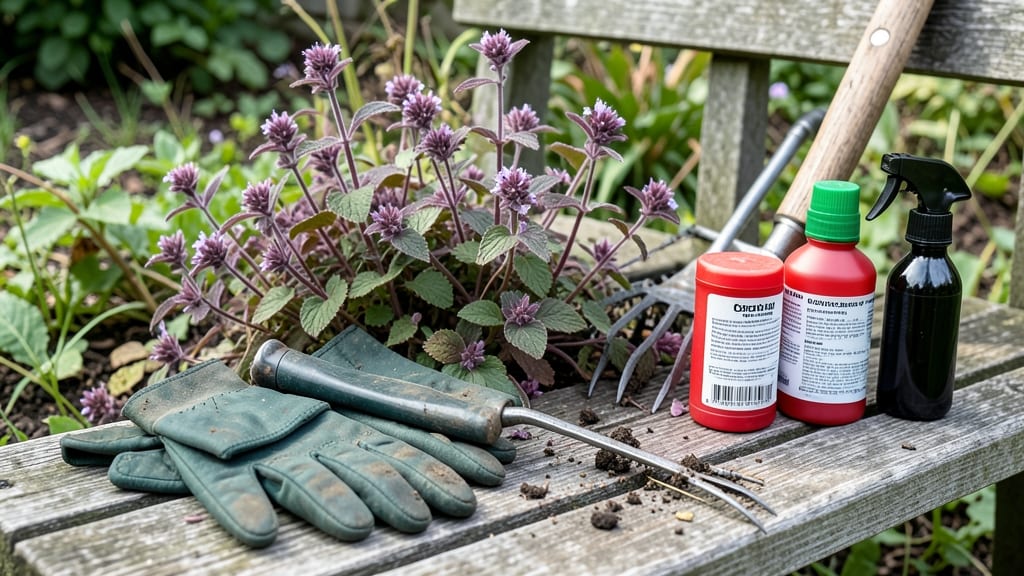
Those stubborn purple weeds creeping through your lawn are more than just an eyesore—they're a sign your grass is fighting for dominance. 🌱 I've battled clover, chickweed, and purple deadnettle in my own yard, and the key to eradicating them naturally starts with knowing exactly what you're dealing with.
Most people waste time pulling weeds they can't identify, only to see them return weeks later.
The real culprits—like creeping charlie or henbit—thrive in thin grass, compacted soil, or when lawns are neglected. These weeds don't just spread because they're tough; they spread because they've found weak spots in your turf.
The good news? With the right approach, you can turn the tide in just 3 days without harsh chemicals that harm your grass.
You'll learn to spot these weeds by their unique leaf shapes and growth patterns, then use targeted removal methods that actually work. No more pulling the same weeds back for months—this method focuses on the root cause while strengthening your lawn's natural defenses.
By the end, your grass will be thick enough to crowd out weeds before they even take hold.
Whether you're dealing with a small patch or a full-blown invasion, this step-by-step plan adapts to your lawn's size and type. The techniques work for cool-season grasses like fescue and ryegrass, as well as warm-season varieties like Bermuda and Zoysia.
Let's get your lawn back to looking like the lush, weed-free carpet you planted it to be.
Understanding the Root Causes
Purple weeds popping up in your lawn aren’t just an eyesore—they’re a sign that something’s off with your turf’s balance. Let’s break down the real reasons these stubborn invaders take hold, so you can tackle them at the source.
Purple weeds, like henbit or chickweed, thrive in moist, compacted soil—conditions you might accidentally create with overwatering. Here’s why:
- Excess moisture weakens grass roots, leaving gaps for weeds to sprout.
- Poor drainage from heavy watering leads to anaerobic (low-oxygen) soil, which grass struggles to tolerate but weeds love.
- Frequent light watering (instead of deep, infrequent sessions) keeps the topsoil damp, signaling weeds to germinate.
Actionable fix: Water deeply 2–3 times per week (early morning) and let the top inch of soil dry between sessions. Use a moisture meter to avoid guesswork.
Weeds flourish when your lawn’s nutrient levels are imbalanced.
Purple weeds often appear when: - Nitrogen is low (weak grass = easy entry for weeds). - Phosphorus is high (encourages weed seeds to germinate). - Soil pH is off (ideal lawn pH: 6.0–7.0; weeds like creeping charlie prefer acidic soil).
Actionable fix:
- Test your soil (DIY kits or lab tests) and amend with compost or lime (for acidic soil) or sulfur (for alkaline soil).
- Avoid over-fertilizing with phosphorus—opt for a balanced 3-part fertilizer (e.g., 16-4-8).
Purple weeds don’t just invade—they fill empty spaces. Common causes of thin grass:
- Disease or pest damage (e.g., grubs, fungal infections).
- Improper mowing (cutting too short weakens grass).
- Foot traffic or pet urine (burns grass in high-traffic areas).
Actionable fix:
- Aerate compacted soil in fall to improve grass root growth.
- Mow high (3–4 inches) to shade out weeds.
- Reseed bare spots with disease-resistant grass seed (e.g., tall fescue or Kentucky bluegrass).
Many purple weeds (like purple deadnettle) have dormant seeds that can lie inactive for years—until the right conditions appear.
Triggers include: - Disturbing soil (tilling, aerating, or even heavy foot traffic). - Sunlight exposure (seeds germinate when soil is disturbed and light reaches them). - Warm, moist springs (perfect for seed activation).
Actionable fix:
- Pre-emergent herbicides (applied in early spring) can block seeds before they sprout.
- Hand-pull weeds when soil is moist (easier to remove roots).
- Mulch bare soil with straw or wood chips to block light.
Ironically, overusing broadleaf herbicides (like 2,4-D) can kill grass but leave weeds behind. Purple weeds often survive because:
- They’re not true broadleaf weeds (some are grasses or sedges).
- Resistant strains develop from repeated herbicide use.
Actionable fix:
- Spot-treat weeds instead of blanket spraying.
- Use vinegar or boiling water for organic control (best for small patches).
- Rotate herbicide types to prevent resistance.
If part of your lawn is shady or crowded with trees, purple weeds like ground ivy or clover may take over because:
- Grass struggles in low light but weeds adapt.
- Tree roots compete for nutrients, weakening turf.
Actionable fix:
- Plant shade-tolerant grass (e.g., fine fescue).
- Trim overhanging branches to let in more light.
- Use a mulch barrier under trees to block weed seeds.
Pro Tip: 💡 Prevention is easier than cure! A healthy lawn = fewer weeds. Focus on watering, mowing, and soil health first—then target weeds with precision.
Quick Fixes for Purple Lawn Invaders
Purple weeds creeping into your lawn aren’t just an eyesore—they’re a sign your turf needs attention. The good news? With the right approach, you can banish them fast and restore a lush, weed-free yard.
Below, we break down cause-specific solutions, from manual removal to natural treatments, plus prevention tips to keep your lawn healthy long-term.
Problem: Purple weeds (like henbit or chickweed) thrive in soggy, compacted soil where grass struggles. Solution: 🍳 Aerate First – Rent a core aerator or use a manual aerator to pull out small soil plugs. This lets water and air reach the roots. 👨🍳 Top-Dress with Compost – Spread a ¼-inch layer of compost over the aerated areas. This improves drainage and feeds grass roots. 🥘 Adjust Watering – Water deeply 2–3 times per week (early morning) instead of daily light sprinkles. Aim for 1–1.5 inches per week. ⏰ Wait 3–5 Days Before Treating – Let the soil settle before applying herbicides or natural remedies.
💡 Pro Tip: If your lawn feels spongy underfoot, sand top-dressing (mix sand with compost) can help break up compaction.
Problem: Purple weeds take over when grass is sparse or stressed (from drought, pests, or poor soil). Solution: 🔪 Overseed Bare Spots – Choose a disease-resistant grass seed (like tall fescue or Kentucky bluegrass) and sow it directly over the weeds. Keep soil moist for 2–3 weeks. 🌡️ Fertilize Smartly – Use a slow-release, balanced fertilizer (10-10-10 or 16-4-8) in early fall or spring. Avoid high-nitrogen fertilizers, which can encourage weed growth. 🎯 Mow High – Set your mower to 3–4 inches to shade out weeds and strengthen grass roots.
✨ Prevention Hack: Apply a corn gluten meal pre-emergent in early spring (it’s natural and blocks weed seeds).
Problem: Purple weeds (like clover or creeping Charlie) love areas where grass can’t compete—either too shady or too sunny. Solution: 🌿 For Shady Areas:
- Plant shade-tolerant grass like fine fescue or zoysia.
- Use mulch (wood chips) around garden edges to block weed seeds.
🔥 For Sunny, Dry Patches:
- Water deeply but less frequently to encourage deep roots.
- Try drought-resistant grass like Bermuda or buffalo grass.
💡 Pro Tip: If weeds persist in shady spots, consider ground cover plants (like creeping thyme) instead of grass.
Problem: If purple weeds are already established, you’ll need a direct attack plan. Solution: 🔥 Manual Removal (Best for Small Patches)
- Pull weeds early (when soil is moist) by gripping the base and tugging firmly.
- Use a weed torch (for large patches) in dry conditions—only if no grass is present!
🍳 Natural Herbicides (Safe for Pets/Kids)
- Vinegar + Dish Soap Spray (1 gallon vinegar + 1 tbsp soap) – Spray directly on weeds (avoid grass).
- Boiling Water – Pour on weeds in cracks or driveways (works fast but requires repetition).
👨🍳 Commercial Herbicides (For Stubborn Weeds)
- Pre-emergent (like corn gluten) in early spring.
- Post-emergent (glyphosate-free options like iron-based herbicides for selective control).
⚠️ Warning: Always spot-treat weeds to avoid killing grass. Test a small area first!
- Mow Regularly – Never let grass grow taller than ⅓ of its height.
- Dethatch Annually – Remove thatch buildup to prevent weed seeds from nesting.
- Improve Soil Health – Test soil pH (aim for 6.0–7.0) and amend with lime or sulfur as needed.
- Compete with Grass – A thick, healthy lawn is the best weed deterrent!
- Remove Weeds at First Sight – Don’t let them go to seed.
Final Thought: Purple weeds in your lawn are a fixable problem, not a permanent one. Start with soil repair, strengthen your grass, and stay consistent with care. In 3–5 days, you’ll see a noticeable difference—and in 3 weeks, your lawn can be weed-free! 🌱✨
Frequently asked questions about purple weeds in your lawn
What are the most common purple weeds I might find in my lawn?
The most likely culprits are henbit (with its purple, square stems), purple deadnettle (small purple flowers), and creeping charlie (round purple leaves). Chickweed and clover can also appear purple when young. The key difference? Henbit has jagged leaves while clover forms three-leaf clusters.
Will mowing higher actually help prevent purple weeds?
Setting your mower to 3–4 inches shades the soil and crowds out weeds by strengthening grass roots. Tall grass also blocks sunlight that purple weeds need to germinate. Just avoid cutting more than ⅓ of the grass height at once—this stresses the turf and invites weeds back.
Is vinegar safe to use on purple weeds in my lawn?
Only for spot treatment! A mix of 1 gallon white vinegar + 1 tablespoon dish soap kills weeds on contact, but it can burn grass too. Apply directly to weeds on sunny days (not before rain) and avoid overspray. For large areas, consider boiling water—it works fast and won't harm grass if used carefully.
Why do purple weeds keep coming back after I pull them?
Most purple weeds have deep roots or spread via underground runners (like creeping charlie). Plus, their seeds can lie dormant for years in the soil. To stop regrowth, pull weeds when soil is moist (roots come out easier) and apply corn gluten meal in early spring to block new seeds from sprouting.
Can I use the same herbicide on all purple weeds?
Not safely! Some purple weeds (like henbit) are broadleaf weeds, while others (like clover) are legumes. Always check the herbicide label—2,4-D works for broadleaf weeds but may harm clover. For mixed lawns, use iron-based herbicides (like iron xylosyl sulfate) that target weeds without harming grass.