
Lawn
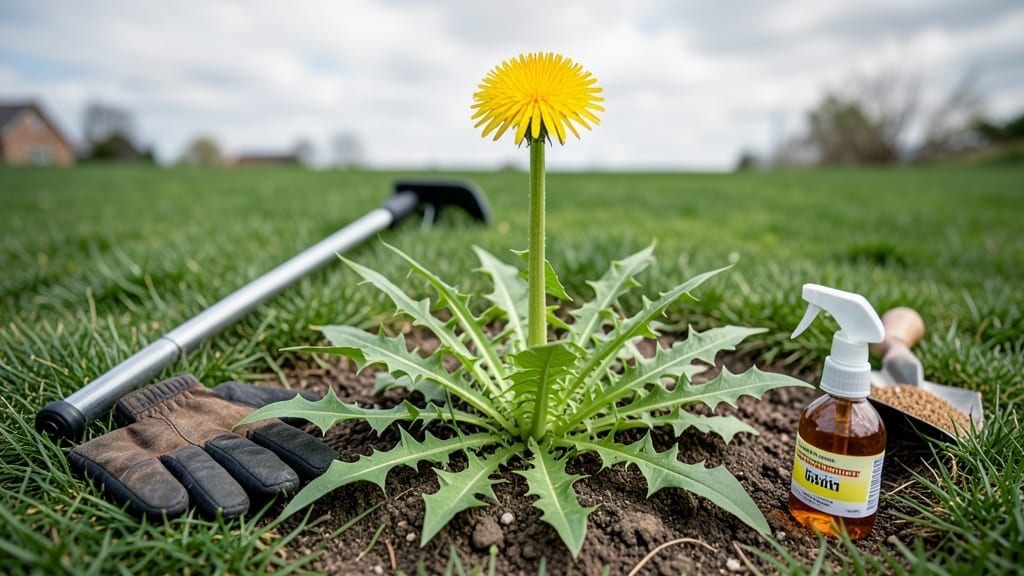
Killing dandelions in your lawn without killing the grass doesn’t have to mean sacrificing your lawn’s health—it’s all about precision. ✨ The secret lies in spot-treating these bright yellow invaders while keeping your grass lush and green. I’ve tried everything from vinegar to commercial sprays, and the right method makes all the difference in avoiding accidental grass damage.
Most people grab a harsh herbicide and spray everything, only to watch their lawn turn brown. The key is selective application: use a sharp dandelion weeder for small patches, or a spot-treatment tool with a narrow nozzle for liquid controls.
Timing matters too—apply treatments on a dry, sunny day when dandelions are actively growing, not right after mowing or watering.
You’ll see results within 3-7 days—wilting dandelions pull up easily, and your grass stays unharmed. For stubborn patches, repeat treatments every 7-10 days until the weeds are gone. The best part? Your lawn will look thicker and healthier afterward, not patchy or stressed.
Works for any lawn type—cool-season grasses like fescue or Kentucky bluegrass respond best, but warm-season grasses like Bermuda can handle spot treatments too. Just avoid broad-spectrum sprays, and you’ll keep your lawn lush while saying goodbye to dandelions for good.
Why Dandelions Take Over
Dandelions aren’t just stubborn—they’re biological opportunists that exploit weaknesses in your lawn. Understanding their strategies helps you fight back smarter. Here’s why these bright yellow invaders keep popping up while your grass struggles to compete.
Dandelions thrive where grass is weak, and their success often starts with your lawn’s health. Here’s how:
- Thin grass patches: Dandelions spread via wind-blown seeds that land in bare soil or areas where grass is sparse. If your lawn has thin spots (from foot traffic, drought, or poor seeding), dandelions fill the gaps like weeds in a crack.
- Compacted soil: Heavy foot traffic, pets, or machinery compacts soil, reducing oxygen and water flow to grass roots. Dandelions, with their deep taproots, love this environment—their roots can penetrate up to 15 inches deep, accessing nutrients grass can’t reach in compacted layers.
- Improper mowing: Cutting grass too short (below 2–3 inches) stresses it, leaving it vulnerable. Dandelions, meanwhile, grow aggressively from their taproots even when mowed, while grass struggles to recover.
Actionable fix: Aerate compacted areas in fall and overseed thin spots. Mow high (3–4 inches) to shade out weeds and strengthen grass.
Dandelions are early bloomers, and their life cycle aligns with lawn weaknesses:
| Season | Dandelion Advantage | Grass Disadvantage |
|---|---|---|
| Early spring | Sprouts before grass wakes up from dormancy, stealing sunlight and nutrients. | Cool-season grasses (like fescue) grow slowly; warm-season grasses (like Bermuda) are dormant. |
| Fall | Produces seeds while grass focuses on root growth (not competitive growth). | Grass prioritizes storing energy for winter, leaving it less aggressive against weeds. |
| Summer drought | Deep taproots access water deep underground, keeping them lush. | Shallow grass roots wilt, creating more bare soil for seeds to land. |
Actionable fix: Pre-emergent herbicides in early spring (before dandelions sprout) and fall (to block seed germination). Water deeply but infrequently to encourage deep grass roots.
Dandelions aren’t just weeds—they’re survival machines. Here’s how their biology outsmarts grass:
- Taproots vs. fibrous roots:
- Dandelions have a single deep taproot that stores nutrients and water, letting them rebound after mowing or herbicide damage.
- Grass has fibrous roots that spread horizontally but struggle in poor soil conditions.
- Rapid seed production:
- A single dandelion can produce 15,000–20,000 seeds per plant, which stay viable in soil for 5+ years.
- Grass seeds, by comparison, germinate quickly but require ideal conditions to outcompete weeds.
- Chemical warfare:
- Dandelions release allelopathic compounds (natural chemicals) that suppress nearby plant growth, including grass.
- This is why dandelions often appear in clumps—they’re actively crowding out competitors.
Actionable fix: Pull dandelions before they flower (seeds form) to break their life cycle. Use targeted herbicides (like vinegar + soap for small patches) to disrupt their root systems without harming grass.
Pro tip: 💡 Test your soil—dandelions often indicate low nitrogen or pH imbalances. A simple soil test ($20–$30) can reveal if your grass is starving while weeds thrive.
Targeted Weed Control Methods
Dandelions may be stubborn, but with the right approach, you can eliminate them without harming your grass. The key is precision—using techniques that attack the weed at its roots while preserving your lawn’s health.
Below are practical, step-by-step solutions tailored to common causes of dandelion infestations, along with prevention tips to keep your lawn lush and weed-free.
Best for: Small patches, organic lawns, or when you prefer a chemical-free method.
How to do it:
- Timing is everything 🌱⏰ – Remove dandelions before they bloom (early spring or fall) to prevent seed spread. Mature plants release thousands of seeds when disturbed!
- Grab the roots 👨🍳🔪 – Use a dandelion weeder tool (or a butter knife) to dig deep (2–3 inches) and pull the entire taproot. If you leave even a small piece, the weed will regrow.
- Disposal matters 🗑️ – Seal pulled weeds in a trash bag or compost them only if your compost pile reaches high heat (140°F+ to kill seeds).
- Fill the hole 🌱 – Pack soil into the empty space to prevent erosion and encourage grass to fill in.
Pro tip: 💡 Water the area 24 hours before pulling—soil will be softer, making removal easier.
Best for: Driveways, sidewalks, or small lawn sections where grass isn’t established.
How to do it:
- Boil water 🍲 – Heat 2–3 gallons of water to a rolling boil.
- Pour directly 🔥 – Carefully dump the boiling water over the dandelion’s base, ensuring the roots absorb the heat.
- Repeat weekly ⏰ – Young dandelions die faster, but mature ones may need 2–3 treatments spaced 5–7 days apart.
- Avoid grass 🌿 – Keep a 6-inch buffer from healthy grass to prevent scorching.
Warning: ⚠️ This method works best in dry conditions—wet soil can dilute the heat’s effectiveness.
Best for: Large infestations or when manual methods aren’t feasible.
How to do it:
- Choose the right herbicide 💊 – Select a selective post-emergent herbicide (e.g., 2,4-D, dicamba, or triclopyr) designed for broadleaf weeds like dandelions. Avoid non-selective herbicides (like glyphosate), which kill grass too.
- Apply on a calm day 🌬️ – Wind can drift chemicals onto grass. Early morning or late evening is ideal.
- Use a pump sprayer 💦 – Fill a small handheld sprayer with the herbicide mixed as directed. Focus on leaves only—avoid wetting grass.
- Reapply if needed 🔄 – Some herbicides require 24–48 hours of rain-free weather to work. Check the label for reapplication guidelines.
Pro tip: 💡 For extra precision, use a dropper or squeeze bottle to apply herbicide directly to dandelion leaves without overspray.
Once you’ve tackled the existing weeds, stop them from returning with these long-term strategies:
- ✅ Mow high – Keep grass 3–4 inches tall to shade out dandelion seeds and crowd them out.
- 💧 Water deeply but infrequently – Dandelions thrive in dry, compacted soil. 1–1.5 inches of water per week encourages strong grass roots.
- 🌿 Overseed bare spots – Fill thin areas with dense grass seed (like fine fescue or Kentucky bluegrass) to eliminate gaps where weeds take hold.
- 🍂 Apply pre-emergent in early spring – Products like pendimethalin prevent dandelion seeds from germinating. Reapply in fall for year-round control.
- 🪴 Improve soil health – Test your soil’s pH (ideal: 6.0–7.0 for most grasses) and amend with compost to strengthen grass resilience.
Final note: Consistency is key! Dandelions are persistent, but with targeted treatments + prevention, you’ll reclaim your lawn without sacrificing your grass. 🚀
Frequently asked questions
Why do dandelions keep coming back even after pulling them?
Dandelions regrow from tiny root fragments left in the soil. Always pull the entire taproot (2-3 inches deep) to prevent regrowth. If you miss even a small piece, it can sprout again within 7-10 days. For stubborn roots, try a follow-up treatment with boiling water or targeted herbicide.
Can I use vinegar to kill dandelions without harming my grass?
Yes, but with caution! Mix 1 gallon of white vinegar with 1 cup dish soap and spray directly on dandelion leaves (avoid grass). The acid burns the weeds while the soap helps it stick. Test a small area first—vinegar can weaken grass if it drifts. Best for small patches in dry conditions.
How soon will I see results after using herbicide?
Results typically appear within 3-7 days, with full wilting in 10-14 days. Selective herbicides like 2,4-D work fastest in warm, sunny weather. For persistent weeds, reapply every 7-10 days until they're gone. Always follow label instructions for best timing.
Is it better to pull dandelions by hand or use chemicals?
Hand-pulling works best for small patches (especially before flowering) and is chemical-free. Chemicals (like dicamba) are better for large infestations but require precision to avoid grass damage. For a balance, combine both: pull visible weeds and spot-treat remaining roots with herbicide.
Will killing dandelions make my lawn grow thicker?
Yes! Removing dandelions eliminates competition for nutrients, water, and sunlight. A healthier lawn follows when you overseed bare spots, mow high (3-4 inches), and improve soil health. Within 4-6 weeks, you'll notice denser grass growth where weeds once thrived.