
Pruning
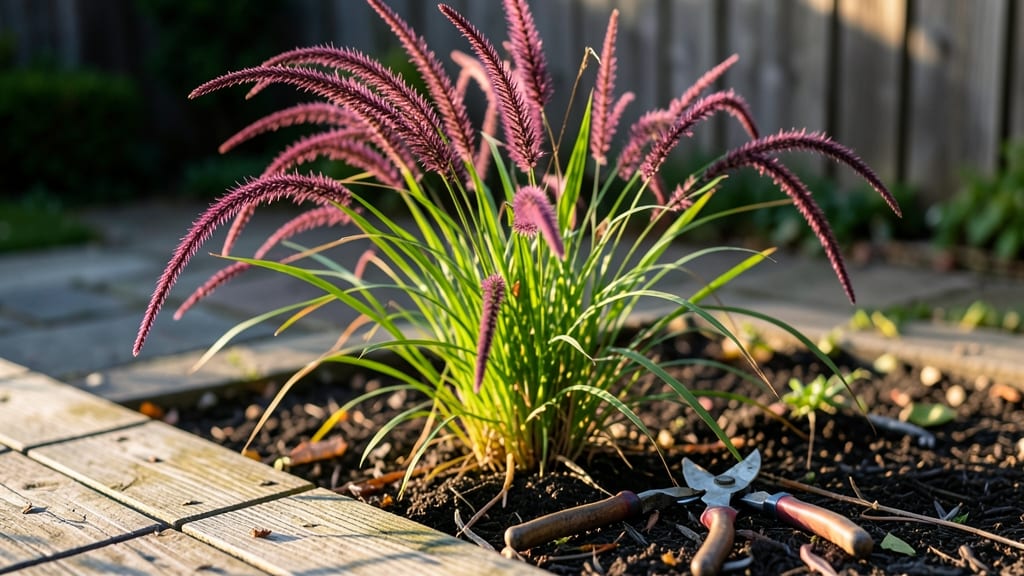
Pruning purple fountain grass transforms it from a messy clump into a showstopping year-round feature. ✨ I’ve been shaping mine for five years, and the difference between a wild, scraggly plant and one that looks like it belongs in a botanical garden comes down to timing, technique, and a sharp pair of shears.
The best time to prune is late winter or early spring, right before new growth appears. You’ll need clean pruners, a sharp knife, and maybe a glove if you’re feeling fancy.
Cut back the brown, fluffy plumes to about 4-6 inches from the ground—this encourages fresh, vibrant regrowth while keeping the plant’s natural shape. Avoid hacking it down to the soil, or you’ll shock the plant and delay those lush purple hues.
By summer, your fountain grass will be denser, taller, and fuller than ever, with those signature cascading plumes looking like they were airbrushed.
The key is patience—new growth takes 4-6 weeks to fill in, but the wait is worth it for that velvety texture and deep purple that makes neighbors do double-takes. And don’t worry about winter prep; this grass is tough enough to handle frost without extra fuss.
Common mistakes? Cutting too late in the season (after new growth starts) or removing too much foliage (which starves the plant). Stick to the 4-6 inch rule, and you’ll have a fountain grass that’s perfect for borders, containers, or even as a dramatic focal point.
Ready to give yours that polished look?
📚 In This Guide
- What you need
- Instructions
- Tips and common mistakes
- Wrapping up and next steps
What you need
- ● Sharp pruning shears or hedge clippers – Choose bypass-style shears (not anvil) to avoid crushing stems. A 10-12 inch blade works best for thick clumps.
- ● Heavy-duty gloves – Opt for gardening gloves with reinforced palms (e.g., mechanized or leather) to protect against sharp edges and thorns.
- ○ Pruning saw (optional but helpful) – For overgrown, woody stems (3/8" thick or larger), a curved-tooth pruning saw prevents tearing.
- ● Disinfectant (70% isopropyl alcohol or bleach solution) – Clean tools before and after use to prevent disease spread (1 part bleach to 9 parts water).
- ● Garden twine or burlap sacks – For removing debris (1-2 yards of twine or 2-3 sacks for large clumps).
- ○ Loppers (optional) – If your grass is taller than 6 feet, 20-inch loppers make cuts easier.
- ● Weather check – Prune on a dry, calm day (avoid windy or rainy conditions).
- ● Protective eyewear – Debris can fly during cuts; safety goggles are a must.
- ● Workwear – Wear long sleeves/pants to avoid scratches from sharp foliage.
- ○ Water source – A hose or bucket for post-pruning hydration (optional but recommended).
Step-by-Step instructions for perfect purple fountain grass pruning
Here's how to transform your grass into a showstopping landscape feature with minimal effort.
✂️ Step 1: Time Your First Cut for Early Spring Renewal
Wait until late winter or early spring—just as new growth begins—before making your first cut. You'll notice the old foliage turning brown and the base showing fresh green shoots. This is your cue to act. Cold-hardy varieties like purple fountain grass can handle 20°F temperatures or warmer, so don't delay until spring warmth arrives.
Use sharp pruning shears or a clean hedge trimmer to cut the grass back by one-third to one-half of its height. This aggressive trim stimulates dense, bushy growth and prevents the grass from looking ragged. I like to make the cut just above a growth node—you'll see these as small bumps along the stem—so the plant has a reference point for new shoots.
✂️ Step 2: Deadhead and Thin for Airflow in Late Summer
In late summer or early fall, when the grass has finished flowering but before frost, focus on removing spent seed heads and thinning out congested areas. You'll recognize seed heads as the dried, feathery plumes that no longer have vibrant color. These can look messy and weigh down the plant, so snip them off at the base with clean pruners.
For thicker clumps, gently separate the outer stems from the center using your fingers or a small hand fork. This improves airflow and reduces fungal risks. I aim to leave 3-4 inches of space between stems in mature plants. If you're unsure, less is better—you can always thin more next time. The goal is to maintain the plant's natural shape while encouraging new growth from the base.
✂️ Step 3: Winter Pruning for a Clean, Neat Appearance
After the first hard frost, when the grass has turned completely brown, it's time for a final trim. Cut the entire plant back to 4-6 inches above the ground using sharp pruners. This removes dead foliage and prevents disease from overwintering in old growth. I always wear gloves for this step—the dried leaves can be abrasive and may irritate sensitive skin.
Don't worry if the plant looks stark after this cut. Purple fountain grass is incredibly resilient and will bounce back quickly in spring. The key is to make clean cuts at a 45-degree angle just above a growth node. This encourages new shoots to emerge from the base, giving you that lush, fountain-like appearance all season long.
🌿 Step 4: Maintain Year-Round with Strategic Trims
Throughout the growing season, keep an eye out for any stems that have become leggy or overly crowded. Use your fingers to gently separate these stems at the base, encouraging a fuller, more compact plant. You'll know you're doing it right when you see new shoots emerging from the base within 2-4 weeks.
For a truly perfect look, I recommend trimming the outer edges of the plant with sharp pruners every 4-6 weeks during the growing season. This keeps the shape neat and encourages dense growth. Always use clean, sharp tools to avoid damaging the stems or spreading disease. A quick wipe of the blades with rubbing alcohol between cuts ensures hygiene.
Tips & tricks for perfect purple fountain grass pruning
Transforming your purple fountain grass into a showstopping feature requires precision—and these pro tips will help you achieve flawless results every season.
Timing is Everything: In Step 1, when you're making that early spring cut, don't rush! The key is waiting until you see fresh green shoots emerging at the base while the old foliage is still brown. I've learned this the hard way—cutting too early means you're removing potential new growth, while waiting too long risks letting the plant become leggy. Think of it as giving your grass a fresh start, just like a spring haircut for your lawn. The 20°F cold hardiness threshold is your safety net—this variety can handle winter's chill, so don't wait for perfect spring weather to begin.
The Growth Node Secret: When you're cutting back in Step 1 or Step 3, those little bumps along the stems—growth nodes—are your best friends. Always make your cut just above one of these nodes at a 45-degree angle. This isn't just random advice—I've seen plants that didn't regrow properly because the cut was made too low. The angle helps water run off the cut stem, reducing disease risk while giving new shoots a clear path to emerge. Pro tip: If you're unsure where the nodes are, make your cut about 1/4 inch above where you think they might be—better safe than sorry with ornamental grasses.
Airflow is Your Ally: In Step 2, when you're thinning out congested areas, remember that proper spacing isn't about being precise—it's about creating movement. Aim for that 3-4 inch space between stems, but don't stress if it's a bit more. The goal is to improve circulation, which prevents fungal issues like powdery mildew that can turn your vibrant purple grass into a sad, brown mess. I've had to completely remove plants affected by fungal growth, and it's a heartbreaking sight. Thin now to prevent that heartbreak later—your grass will thank you with lush, healthy growth.
Tool Maintenance Matters: Throughout all steps, your tools are just as important as your technique. Always use clean, sharp pruners—dull blades can crush stems instead of making clean cuts, which stresses the plant. I keep a small bottle of rubbing alcohol handy to wipe down blades between cuts (as mentioned in Step 4). This simple habit prevents cross-contamination that could spread disease from one plant to another. And here's a little-known tip: If you notice your pruners getting gummed up with sap, soak them in warm, soapy water for 10 minutes before cleaning—the sap dissolves easily and makes maintenance a breeze.
Pro Tips for Purple Fountain Grass Pruning
- Transforming your purple fountain grass into a showstopping feature requires precision—and these pro tips will help you achieve flawless results every season.
- Timing is Everything: In Step 1, when you're making that early spring cut, don't rush!
- The Growth Node Secret: When you're cutting back in Step 1 or Step 3, those little bumps along the stems—growth nodes—are your best friends.
Frequently asked questions
Got questions about keeping your Purple Fountain Grass looking its best? Here are answers to the most common ones—so you can prune with confidence!
When is the best time to prune Purple Fountain Grass?
The ideal time is late winter or early spring (just before new growth starts) or after flowering in fall. Avoid cutting back in summer—it removes the plant’s energy source for the season. For cold climates, wait until frost danger has passed.
How short can I cut Purple Fountain Grass?
Never cut more than 1/3 of the plant’s height—this ensures healthy regrowth. Aim to leave 6–12 inches of stem above the ground. Over-pruning can stress the plant or leave it vulnerable to pests. If you’ve gone too short, don’t worry—it’ll bounce back!
Should I prune Purple Fountain Grass in winter?
Only if it’s dead or damaged from frost. Otherwise, leave it standing—the dried plumes add winter interest and protect the crown. If you must prune, wait until late winter (after the worst cold snaps) to avoid shocking the plant.
What if my Purple Fountain Grass looks bare or leggy after pruning?
This is normal! The plant redirects energy to new growth. Fertilize lightly in spring and keep soil moist (but not soggy) to encourage recovery. If it stays sparse, check for overcrowding or poor drainage—these can stunt growth.
Can I replace Purple Fountain Grass if it dies after pruning?
If your plant doesn’t recover after proper pruning, it may be too old, diseased, or root-bound. Dig up and divide clumps every 3–4 years to rejuvenate it. For replacements, try Miscanthus sinensis ‘Zebrinus’ or Pennisetum ‘Fireworks’—both are low-maintenance and stunning.
Wrapping up and next steps
Mastering purple fountain grass pruning is your ticket to lush, vibrant foliage that steals the show year-round! 🌿 With the right tools, timing, and technique, you’ll keep those striking plumes looking sharp while encouraging healthy growth. Remember, patience and precision are key—don’t rush, and always prune with confidence.
Ready to elevate your garden game? Grab your shears, mark your calendar for late winter or early spring, and give those plumes the TLC they deserve. Your purple fountain grass will thank you with show-stopping plumes that turn heads and turn your outdoor space into a masterpiece! 🌟