
Landscaping
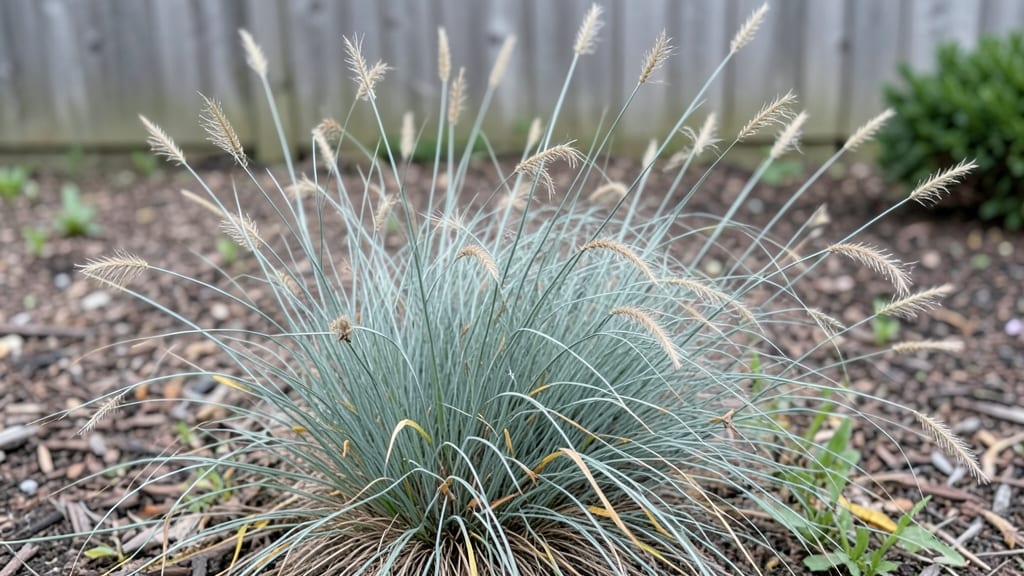
Growing Mexican feather grass 🌿 is the secret weapon for a garden that looks stunning with almost no effort—its silvery-blue plumes sway effortlessly in heat and drought.
Picture this: a landscape that stays lush and green even when your neighbors are watering daily. That’s the magic of Mexican feather grass, a drought-resistant grass that thrives in full sun and needs almost no maintenance once established.
If you’re ready to ditch the high-maintenance plants and embrace a garden that’s as resilient as it is beautiful, this guide will show you exactly how to plant, care for, and style Mexican feather grass like a pro.
From ideal planting times in USDA Zone 6a to pruning tips that keep it looking sharp year-round, you’ll learn everything you need to make this grass the star of your outdoor space.
Why Mexican festher grass stands out among drought-tolerant ornamental grasses
If you're searching for a drought-tolerant ornamental grass that delivers year-round texture without demanding constant care, Mexican feather grass (Nassella tenuissima) is a game-changer. Unlike its thirsty counterparts, this grass thrives in hot, dry climates while offering delicate, arching blue-green foliage that adds movement to any garden.
Its ability to survive with minimal water makes it ideal for water-wise landscapes.
What sets Mexican feather grass apart is its fine, wiry texture that resembles a feather duster, creating a soft, airy look no other ornamental grass can match. It’s also cold-hardy (USDA Zones 6-10), making it versatile for warm and mild climates.
Unlike fountain grass or maiden grass, it doesn’t require frequent pruning or staking, saving you time and effort.
🌿
One of its biggest advantages is its minimal water requirements. Once established, Mexican feather grass can go weeks without rain, making it perfect for xeric landscapes or regions with water restrictions.
Unlike fountain grass, which often needs regular watering to maintain its plump seed heads, this grass stays lush with occasional deep watering.
Its delicate, airy structure also sets it apart from maiden grass, which can become bulky and require frequent pruning. Mexican feather grass adds a light, ethereal quality to gardens, perfect for creating soft borders or filling gaps in rock gardens.
Plus, its blue-green hue contrasts beautifully with purple succulents or silver foliage plants.
Another standout trait is its adaptability to poor soil. While it prefers well-draining soil, it tolerates sandy or rocky conditions where other ornamental grasses might struggle. This makes it an excellent choice for reclamation projects or areas with challenging soil types
How to plant and maintain Mexican festher grass for maximum impact
Mexican Festher Grass (Nassella tenuissima) is my go-to ornamental grass for adding dramatic texture and heat tolerance to any landscape. Its fine, arching blades create a soft, feathery look that dances in the breeze while requiring minimal care.
Whether you're a beginner or seasoned gardener, these step-by-step instructions will help you achieve a lush, thriving display with minimal effort.
One of the biggest mistakes I see is planting this grass in shady spots or heavy clay soil—both can stunt its growth. Instead, focus on well-draining soil and full sun exposure to unlock its full potential.
With the right conditions, your Mexican Festher Grass will reward you with year-round interest and drought resilience that other grasses can’t match.
Step-by-Step Planting & Care Guide
- 1 Choose the Right Spot: Select a location with full sun (6+ hours daily) and well-draining soil. Avoid low-lying areas where water pools, as this grass hates soggy roots.
- 2 Prep the Soil: Loosen the soil to a depth of 12 inches and mix in 1-2 inches of compost or sand if your soil is heavy. Mexican Festher Grass thrives in sandy or loamy soil with a pH of 6.0-7.5.
- 3 Plant at the Right Time: Plant in late spring or early summer after the last frost date in your area. This gives roots time to establish before hot summer months.
- 4 Space Properly: Plant clumps 12-18 inches apart to allow for air circulation and full growth. Overcrowding leads to weak, floppy stems and pest issues.
- 5 Water Deeply but Infrequently: Water deeply once a week during the first growing season to encourage deep root development. Once established, reduce watering to every 10-14 days—this grass is drought-tolerant once mature.
- 6 Prune in Late Winter: Cut back dead or brown foliage in February or early March before new growth begins. Avoid heavy pruning in fall, as this can harm winter hardiness.
- 7 Fertilize Lightly in Spring: Apply a balanced fertilizer (5-10-10) at 1 tablespoon per plant in early spring to promote growth. Skip fertilization in summer and fall to avoid overgrowth or weak stems.
After planting, I recommend mulching around the base with 2-3 inches of gravel or bark to suppress weeds and retain moisture. This also mimics the natural desert conditions where Mexican Festher Grass thrives, reducing the need for frequent watering.
Over time, you’ll notice vibrant green blades that turn to golden hues in cooler months, adding seasonal interest to your garden.
One common issue I’ve seen is browning tips, often caused by overwatering or poor drainage. If this happens, reduce watering and ensure your soil drains well.
With the right care, your Mexican Festher Grass will become the star of your landscape, offering elegance and resilience with almost no effort.
🌿