
Pruning
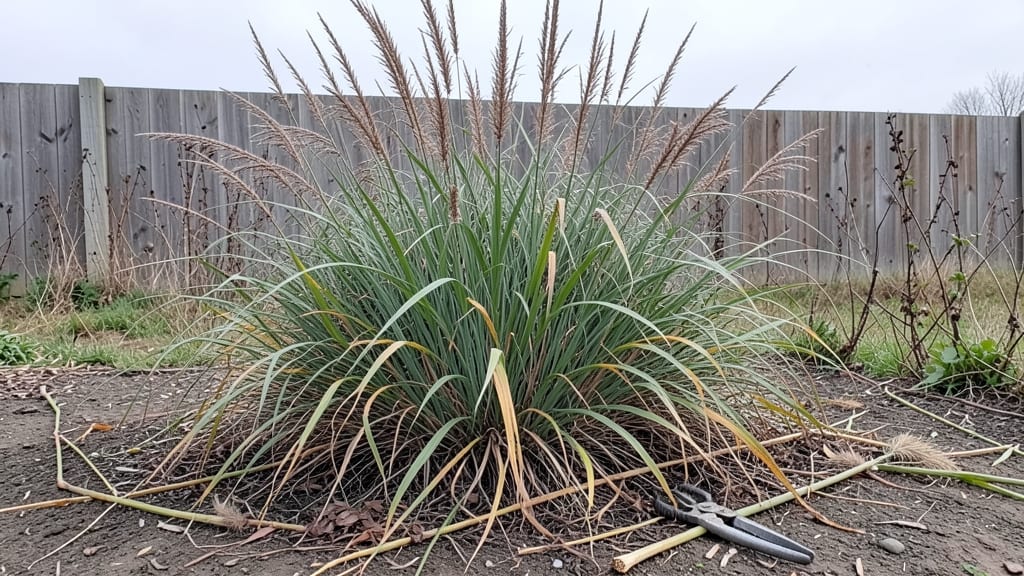
Cutting back fountain grass in late winter is the secret to those sharp, sculptural shapes that make your yard pop all summer. ✨ I’ve seen too many people leave it standing through winter—only to end up with a tangled mess that takes forever to recover.
The right timing and technique make all the difference.
You’ll need sharp pruners or a clean hedge trimmer, gloves, and a clear day when temps are above freezing. Start by removing any dead or brown foliage at the base, then cut back the remaining growth by about one-third to encourage fresh, dense regrowth.
The goal is to shape it neatly while leaving enough growth to fuel new shoots.
Within weeks, you’ll see vibrant new shoots pushing through, and by early summer, your fountain grass will be fuller and more defined than ever. The key is patience—don’t rush it, and avoid cutting back too late in spring, or you’ll delay the season’s best display.
Works for all fountain grass varieties, whether you’re shaping a single clump or a dramatic border. Once you master this, your grass will look like it belongs in a high-end landscape—no green thumb required.
📚 In This Guide
- What you need
- Instructions
- Tips and common mistakes
- Wrapping up and next steps
What you need
- ● Heavy-duty pruning shears or loppers: Choose bypass-style (for clean cuts) or anvil-style (for thicker stalks). Look for 4–6 inch blades and ergonomic grips to reduce hand fatigue.
- ○ Hedge shears (optional but helpful): 8–12 inch blades for shaping larger clumps (e.g., Pennisetum varieties).
- ● Gloves: Heavy-duty, cut-resistant (e.g., mechanics’ gloves or gardening-specific with reinforced palms).
- ● Safety glasses: Protect your eyes from debris—ANSI Z87.1-rated is ideal.
- ● Wheelbarrow or large trash bags: For 5–10 gallons of pruned material (fountain grass clumps can get hefty!).
- ● Rake or stiff brush: A bamboo or metal-tined rake to clear away dead foliage and debris.
- ● Hose with nozzle (or bucket of water): Keep dust down and cool tools between cuts.
- ● Pruning saw: For thick, woody stalks (e.g., Pennisetum ‘Little Bunny’ after years of growth).
- ● Knee pads: If you’re working with tall, mature clumps (3+ feet).
- ● String or measuring tape: To mark desired height (e.g., 12–18 inches for a neat, sculptural look).
- ● Disinfectant (70% isopropyl alcohol or bleach solution): Wipe tools between cuts to prevent disease spread.
- ● Compost bin or mulch: Recycle pruned material as nutrient-rich compost.
Step-by-Step guide to pruning fountain grass for sculptural growth
Here's how to transform last year's wild growth into sharp, architectural shapes—it's easier than you think.
✂️ Step 1: Time Your Pruning for Best Results
Wait until late winter or early spring when new growth begins but before the grass shoots more than 2 inches tall. You'll see fresh green shoots emerging from the base—this is your signal. Pruning too early risks cutting back new growth, while waiting too long makes the job harder and can damage the plant's center.
If you missed the window and your grass has already grown 4-6 inches, don't panic. Just work in two stages: cut back one-third now, then the remaining two-thirds 4-6 weeks later. This prevents shock and gives the plant time to recover between cuts. I always prune on a dry, calm day—wet grass is heavier and harder to handle, plus rain can make the cuts ragged.
🪴 Step 2: Gather Your Tools and Assess the Plant
You'll need sharp pruning shears (dull blades tear the grass and create uneven cuts) and gloves to protect your hands from the sharp edges. Examine your fountain grass clumps—healthy ones have tight centers with no bare spots at the base. If you see brown, hollow centers, that's a sign of old age or neglect, and the plant may need division before pruning.
Step back and visualize the shape you want. Fountain grass naturally grows in plumes or fountain-like shapes, but you can guide it into tight mounds or loose, airy forms. Mark your target height with a stick or measuring tape—most varieties look best when cut back to 12-18 inches tall, depending on the cultivar. For example, Pennisetum 'Little Bunny' stays compact at 12 inches, while Pennisetum 'Hameln' can handle 18 inches for a fuller look.
✂️ Step 3: Make Clean, Even Cuts for Sharp Silhouettes
Start by cutting back one-third of the plant at a time if it's overgrown. Angle your shears slightly upward (about 10-15 degrees) to encourage new growth to emerge from the base rather than the sides. This creates a stronger, more upright shape and prevents the grass from flopping over later in the season.
Work in sections, cutting just above a node (the small bump where leaves attach) to encourage branching. Avoid cutting into the hard, woody center—this can kill the plant. If you accidentally cut too low, don't worry; fountain grass is resilient and will recover as long as you leave some healthy growth. For a sculptural look, trim the outer edges with hand shears to refine the shape, then step back to check your progress from a distance.
💧 Step 4: Clean Up and Encourage New Growth
Remove all clippings from the base of the plant to prevent disease and pests. Spread them around the garden bed as mulch or compost them—just don’t leave them piled near the grass. After pruning, water the plant deeply to help it recover, especially if the weather is dry. You'll see new shoots emerging from the base within 2-4 weeks, signaling that the pruning was successful.
Here's the thing—fountain grass grows fast, so don't stress if it looks sparse right after pruning. In 6-8 weeks, it'll fill out beautifully. To maintain that sharp, sculptural shape, give it a light trim in mid-summer if it starts to look leggy. And if you notice brown tips after pruning, it's just the grass drying out—trim those off in early spring when new growth appears.
Tips & tricks for perfect fountain grass pruning
Transforming your fountain grass into sharp, sculptural shapes starts with these game-changing tips that'll make all the difference.
Timing is Everything: In Step 1, those first fresh green shoots emerging from the base are your golden ticket. I learned this the hard way—waiting until the grass reaches 2 inches tall gives you the perfect window to prune without damaging new growth. If you're unsure, gently tug on the shoots: they should pull away easily if ready for pruning. For late pruners, the two-stage approach (cutting one-third now, then two-thirds in 4-6 weeks) is a lifesaver—it prevents shock and gives your grass time to bounce back.
The Tool Game-Changer: Sharp pruning shears aren't just a recommendation—they're non-negotiable. I've used dull shears that tore the grass and left ragged cuts, which made the plant look messy. Invest in a good pair and keep them sharp by honing them occasionally. For sculptural shapes, add hand shears to your toolkit—they let you refine outer edges with precision. And don't forget gloves; those sharp edges pack a punch!
Shape Secrets: When visualizing your target shape in Step 2, think about the plant's natural growth habit. For tight mounds, aim to cut back to 12 inches, while loose forms can handle 18 inches. Here's my trick: use a stick to mark your target height all around the plant. This creates a visual guide and ensures even cuts. The upward angle (10-15 degrees) mentioned in Step 3 is crucial—it directs new growth upward rather than outward, giving you that clean, architectural look.
Recovery Boost: After pruning, don't just water and walk away. In Step 4, that deep watering is essential, especially in dry weather. I've seen plants recover beautifully when given this extra care. For the first 2-4 weeks, watch for new shoots emerging from the base—they're your sign that everything's on track. And if you notice brown tips later, they're just drying out. Simply trim them off in early spring when new growth appears.
Pro Tips for Cut Back Fountain Grass
- Transforming your fountain grass into sharp, sculptural shapes starts with these game-changing tips that'll make all the difference.
- Timing is Everything: In Step 1, those first fresh green shoots emerging from the base are your golden ticket.
- The Tool Game-Changer: Sharp pruning shears aren't just a recommendation—they're non-negotiable.
Frequently asked questions
Got questions about pruning cut back fountain grass? Here are the answers to common concerns—so you can tackle winter pruning with confidence!
When is the best time to cut back fountain grass?
Prune fountain grass in late winter or early spring (just before new growth begins). This timing ensures you remove dead foliage without harming the plant’s fresh shoots. Avoid cutting too early—wait until temperatures rise slightly above freezing for the cleanest cut!
How short should I cut fountain grass after winter?
Trim fountain grass to 2–4 inches tall (or slightly above the ground). This height promotes healthy regrowth while maintaining the plant’s natural shape. Avoid cutting into old, woody stems—focus on removing only the dead, brown tops.
Can I cut back fountain grass in fall instead?
While you can trim in fall, it’s not ideal. Pruning too early can expose the plant to cold damage. If you must, cut back lightly in late fall (after frost), but spring pruning is always the best choice for a fresh start!
What if my fountain grass looks patchy after pruning?
Patchiness often means underwatering or poor soil. After pruning, water deeply and fertilize with a slow-release, balanced formula. If dead spots persist, check for pests or disease—adjust care accordingly for a fuller, healthier look next season.
Are there alternatives to cutting back fountain grass?
Yes! If you dislike pruning, try mulching (covering with straw) or leaving the dead foliage for winter interest. However, cutting back ensures cleaner growth and reduces pests. For a low-maintenance option, consider switchgrass or miscanthus—they’re just as striking with less upkeep!
Wrapping up and next steps
Transforming your cut back fountain grass into a striking, sculptural masterpiece is easier than you think! With the right tools, timing, and technique, you’ll revive its natural elegance while keeping your landscape looking polished and intentional.
Don’t let winter dull your outdoor space—embrace the process and enjoy the dramatic results that come with a little patience and precision.
Ready to take the next step? Grab your pruners and head outside! If you’re feeling inspired, explore creative ways to style your pruned grasses or share your progress with fellow gardening enthusiasts. Happy pruning! 🌿✂️