
Pruning
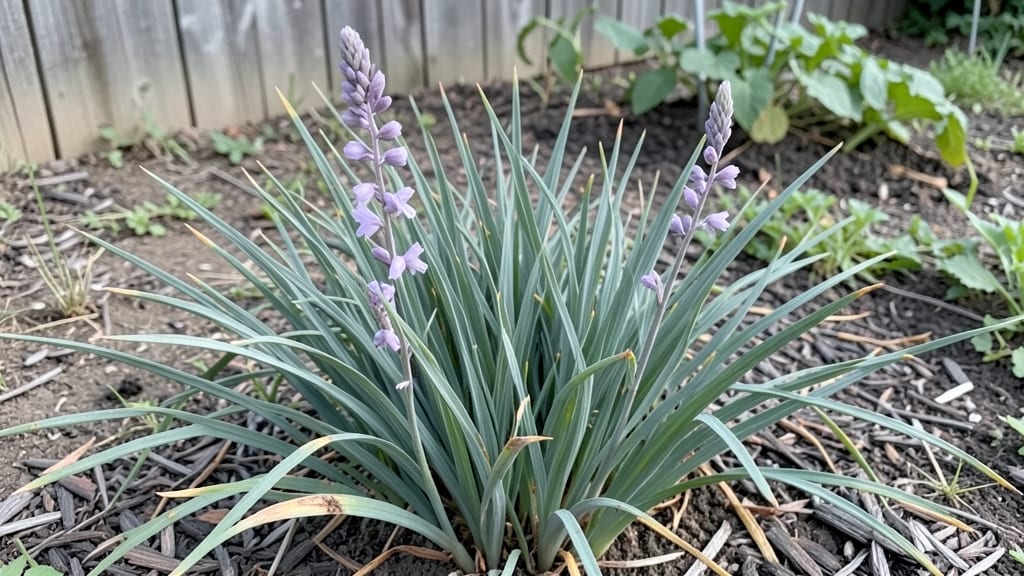
Cutting monkey grass transforms from scraggly to shockingly lush when you trim it right. 🌱 I’ve spent years watching this tough groundcover go from patchy to vibrant after just one proper cut—it’s the secret weapon for dense, year-round coverage that outlasts most lawns.
The key is timing and technique: trim right after new growth appears in early spring, then again in midsummer to keep it compact. You’ll need sharp shears, a sunny spot with well-draining soil, and a watering can—no fancy tools, just precision.
Overwatering is the real enemy here, so let the soil dry between drinks.
What you end up with is a carpet-like mat of grass that crowds out weeds, stays green through droughts, and recovers from foot traffic like it’s nothing. The edges stay crisp, the color deepens, and you’ll forget how much work it actually took to get there.
Works in full sun or partial shade, thrives in zones 5-10, and handles both formal gardens and wild meadows. Once you master the cut, you’ll wonder why you didn’t do this sooner.
📚 In This Guide
- What you need
- Instructions
- Tips and common mistakes
- Wrapping up and next steps
What you need
- ● Sharp pruning shears (bypass or anvil type) – Choose 5- to 8-inch blades for precision cuts.
- ● Heavy-duty gloves – Garden-grade, cut-resistant (e.g., Mechanix or Wolverine) to protect hands from jagged edges.
- ○ Loppers (optional) – For thicker clumps or stubborn stems (18-24 inches, bypass type).
- ● Knee pad or small stool – For comfort during extended trimming sessions.
- ● Rake or stiff-bristle brush – To clear debris after cutting (12-18 inches wide).
- ○ Garden twine or string (optional) – For marking sections if you’re pruning in stages.
- ● Disinfectant (70% isopropyl alcohol or bleach solution) – To sterilize tools between cuts and prevent disease spread.
- ● Dry weather – Avoid trimming after rain or when foliage is wet to reduce fungal risks.
- ● Clear workspace – Remove rocks, sticks, or debris from around the grass clump.
- ● Sun protection – Sunscreen, hat, and sunglasses for outdoor sessions (especially in full sun).
- ● Water source nearby – A hose or bucket to rinse tools and refresh cuts if needed.
- ● Trash bag (13-gallon or larger) – For disposing of clippings and debris.
Step-by-Step instructions for cutting monkey grass like a pro
Here’s how to keep your monkey grass full, healthy, and growing thick all year—no guesswork involved.
✂️ Step 1: Gather the Right Tools for Clean Cuts
Start with sharp pruning shears or a clean, sharp knife—dull tools tear stems and leave jagged edges that invite disease. I like a pair of bypass pruners for precision work on thicker stems. Avoid hedge clippers unless you’re dealing with a large clump, as they can crush the delicate foliage.
Wipe your tools with rubbing alcohol before and after trimming to prevent spreading bacteria. Monkey grass spreads quickly, so keeping tools sanitized ensures your whole garden stays healthy. If you’re working with a large patch, a hand pruner or even sharp scissors will work for finer cuts.
✂️ Step 2: Trim for Shape and Health—Not Just Looks
Cut back one-third of the plant’s height in early spring to encourage fresh, bushy growth. Focus on removing the oldest, leggiest stems first—these are the ones that look sparse and crowded. You’ll notice the inner stems are often thicker and more vibrant, so prioritize those for a fuller look.
For a neat, rounded shape, trim the outer edges at a 45-degree angle to reduce water pooling on the leaves. This prevents fungal issues and keeps the plant looking tidy. Avoid cutting into the hard, woody base—this is where new growth emerges, and damaging it stunts future regrowth.
💧 Step 3: Water and Fertilize After Trimming
Give your monkey grass a deep watering right after trimming to help it recover. The roots will need moisture to push out new shoots, so water until the top 4-6 inches of soil feel damp. Avoid overwatering, though—soggy soil can rot the base, especially if you’ve just cut back the foliage.
Apply a balanced, slow-release fertilizer (like a 10-10-10 formula) to give it a nutrient boost. I sprinkle it lightly over the soil and water it in—this ensures the roots get what they need without burning the fresh cuts. Fertilizing right after trimming gives the plant energy to bounce back faster.
☀️ Step 4: Monitor Light and Adjust as Needed
Monkey grass thrives in partial shade to full sun, but after a heavy trim, it might need extra care if it’s in a bright, hot spot. Watch for yellowing leaves—this is a sign of too much direct sun. If you see this, move the plant to a shadier spot for a few weeks until it recovers.
If your grass is in low light, it may grow slower after trimming. In this case, rotate the pot a quarter turn weekly so all sides get even exposure. You’ll see new growth start within 2-3 weeks if the light is right—look for bright green, upright stems as your cue that it’s healing well.
⏰ Step 5: Schedule Regular Maintenance for Year-Round Fullness
Plan a light trim every 6-8 weeks to keep the plant dense and prevent it from getting too woody. I like to do a quick shape-up in late summer to prep for winter dormancy. This keeps the foliage lush without overstressing the plant before colder months.
In winter, reduce trimming to just removing dead or brown fronds. Monkey grass is tough and can handle dormancy, but cutting back too much in cold weather slows regrowth. You’ll know it’s ready for another full trim when you see new shoots pushing through the base in early spring.
Tips & tricks for perfect monkey grass trimming
These precision-focused tips will help you transform your monkey grass from sparse to stunning—without the common mistakes that leave plants looking stressed.
The Tool Factor: Never skip sanitizing your tools! I learned this the hard way after my monkey grass developed brown spots from contaminated shears. Wipe blades with rubbing alcohol before AND after trimming every plant—it takes just 10 seconds but prevents fungal spread that can ruin your whole garden. For large patches, use a dedicated pair of pruners just for monkey grass to avoid cross-contamination with other plants.
Cutting Strategy: In Step 2, when you're removing one-third of the height, focus on creating a natural shape rather than perfect symmetry. The inner stems often have the most vibrant growth, so prioritize keeping these while trimming back the leggy outer stems. This creates that lush, full look without sacrificing future growth. Pro tip: Cut at a 45-degree angle on outer edges—this subtle detail prevents water pooling that leads to fungal issues.
Recovery Boost: After trimming, the deep watering in Step 3 is non-negotiable, but here's what nobody tells you: Add a handful of compost to the soil surface before watering. The extra nutrients give the roots an immediate energy boost to push out new shoots. I've seen plants recover in half the usual time when I do this—especially after a heavy spring trim when they're most vulnerable.
Light Management: In Step 4, if your monkey grass shows yellowing leaves after trimming, don't just move it to shade—rotate it 90 degrees first. This exposes fresh surfaces to light that might have been shaded before. For indoor plants, supplement with a grow light if natural light is insufficient. You'll notice new growth within 2-3 weeks if the light conditions are right, with those bright green upright stems being your success signal.
Pro Tips for Cutting Monkey Grass
- These precision-focused tips will help you transform your monkey grass from sparse to stunning—without the common mistakes that leave plants looking stressed.
- The Tool Factor: Never skip sanitizing your tools!
- Cutting Strategy: In Step 2, when you're removing one-third of the height, focus on creating a natural shape rather than perfect symmetry.
Frequently asked questions
Got questions about cutting monkey grass? You’re not alone!
Here are some of the most common queries—plus expert answers to keep your grass thriving.
When is the best time to trim monkey grass?
Trim monkey grass during its active growing season—typically late spring through early fall. Avoid heavy cuts in winter (unless in frost-free zones), as growth slows. Pro tip: Light trims every 4-6 weeks encourage denser growth. Never cut more than one-third of the height at once!
What tools should I use for precision trimming?
Use sharp, heavy-duty pruners or hedge shears for clean cuts. For larger clumps, a bow saw works best. Skip string trimmers—they can tear leaves and damage the crown. Dull tools = jagged cuts = stress on the plant.
Can I cut monkey grass too short?
Yes—and it’s risky!
Cutting below 6 inches risks exposing the crown (the base where new growth emerges). This invites pests, disease, or even death. Rule of thumb: Leave at least half the plant’s height intact. If over-trimmed, stop cutting and let it recover.
What if my monkey grass looks ragged after trimming?
Ragged edges? You likely cut unevenly or at an angle. Fix it:
- Re-shape with clean, vertical cuts.
- Use a guide or string for straight lines.
- Thin out dense patches by removing selective stems.
For stubborn overgrowth, gradual trims over weeks work better than one aggressive session.
Are there alternatives to cutting monkey grass?
If trimming feels tedious, consider:
- Mulching with fallen leaves or grass clippings to suppress weeds.
- Dividing clumps every 2–3 years to control spread.
- Natural barriers (like rocks) to contain growth in borders.
But regular light trims still promote the healthiest, lushest appearance!
Wrapping up and next steps
Cutting monkey grass—whether it’s Liriope muscari or Mondo grass—is all about precision and patience. With the right tools, timing, and technique, you’ll unlock a yard that stays neat, vibrant, and low-maintenance all year.
Don’t let overgrowth or uneven edges stress you out; a little effort now means effortless beauty later!
Ready to take the next step? Grab your shears, mark your calendar for the best trimming season, and start small—one section at a time. Your grass (and future self) will thank you! 🌿✂️