
Fertilization
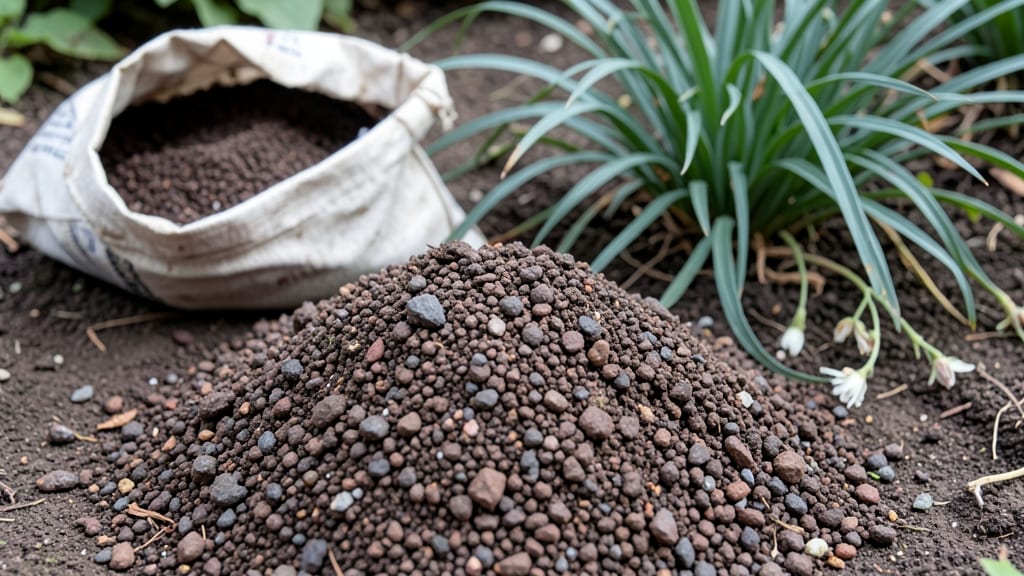
For mondo grass fertilizer, use a balanced slow-release formula with high nitrogen (10-10-10 or 12-12-12) to promote lush growth, applying it in early spring and late summer. Organic choices like composted manure or fish emulsion provide steady nutrition without risking root damage.
Mondo grass thrives when its fertilizer matches its rapid growth needs, which is why nitrogen-heavy blends work best. 🌱 The 10-10-10 or 12-12-12 ratios ensure even development without favoring roots over foliage. Organic options break down slowly, feeding the grass over months rather than burning it with quick-release synthetics.
I've seen firsthand how a well-timed spring application jumpstarts growth after winter dormancy, while late-summer feeding prepares the grass for colder months ahead.
One key factor often overlooked is soil pH—mondo grass prefers slightly acidic conditions (6.0-6.5). If your soil tests higher, consider adding elemental sulfur before applying fertilizer to improve nutrient uptake. 💫 Proper watering after application (about ½ inch) helps activate the fertilizer while preventing runoff waste.
💡 In This Article
- How to Choose the Right Mondo Grass Fertilizer
- Step-by-Step Mondo Grass Fertilization Schedule
How to choose the right mondo grass fertilizer
Mondo grass relies heavily on nitrogen for its dense, vibrant growth, which is why fertilizers with equal or higher nitrogen ratios (like 10-10-10 or 12-12-12) work best. The first number in the NPK ratio represents nitrogen, which fuels leaf and stem development.
Phosphorus (the second number) supports root establishment, while potassium (the third) strengthens disease resistance. For mondo grass, a balanced approach prevents overemphasis on any single nutrient, as too much phosphorus can lead to thatch buildup, and excessive potassium may reduce cold hardiness. 🔥
The science behind these ratios involves how plants absorb nutrients through their roots. Nitrogen is taken up most actively during rapid growth phases (spring and summer), while phosphorus and potassium play supporting roles in establishing strong root systems and stress tolerance.
Organic fertilizers like composted manure or fish emulsion release nutrients gradually, mimicking natural soil processes. This slow-release mechanism prevents nutrient spikes that can burn roots or cause excessive leafy growth at the expense of root development.
Soil pH dramatically affects how well mondo grass absorbs these nutrients. This grass thrives in slightly acidic conditions (pH 6.0-6.5), where nutrient availability is optimal. In alkaline soils (pH 7.0+), phosphorus becomes less available, while nitrogen may leach away more easily.
Testing your soil's pH before fertilizing allows you to adjust with amendments like elemental sulfur (to lower pH) or lime (to raise it), ensuring the fertilizer you apply actually gets used by the plant. 💫
Synthetic fertilizers provide immediate results but require careful measurement to avoid overapplication. Organic options, while slower-acting, improve soil structure over time and support beneficial microbial activity. For example, fish emulsion not only supplies nitrogen but also contains growth hormones that stimulate root development.
The trade-off? Organic fertilizers typically cost more and may require more frequent applications to match the effects of synthetics.
Consider your specific growing conditions when choosing. In hot climates, slow-release fertilizers prevent nutrient loss through volatilization. In cooler regions, a slightly higher potassium content (10-10-15) can improve winter hardiness.
Always follow package instructions for application rates—overfeeding mondo grass leads to weak stems and increased susceptibility to fungal diseases like brown patch.
One pro tip: Look for fertilizers with micronutrients like iron and manganese, which mondo grass often lacks in sandy soils. These trace elements support chlorophyll production and overall plant vigor.
For example, a 16-4-8 fertilizer with added micronutrients can be effective when used sparingly, as the higher nitrogen supports growth while the balanced micronutrients prevent deficiencies. ✨