
Lawn
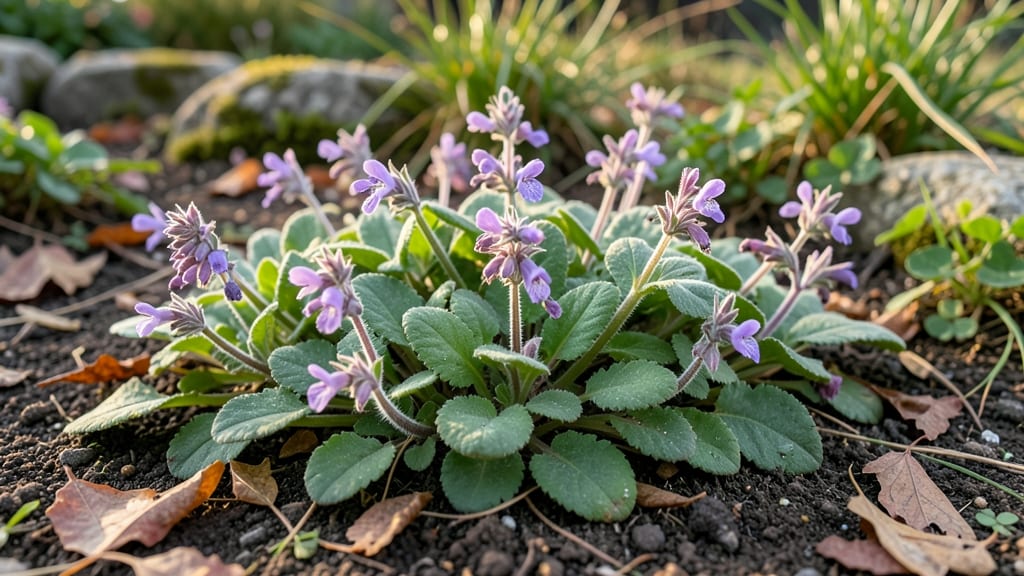
That purple-flowered lawn weed popping up between your grass blades isn’t just an eyesore—it’s a sign your lawn’s balance is off. 🌿 I’ve wrestled with clover, oxalis, and chickweed in my own yard, and the key to stopping them is acting fast before they spread.
These weeds thrive when grass is weak, so the solution starts with fixing the root causes while removing what’s already there.
The first step is positive identification—oxalis has heart-shaped leaves and purple flowers, clover forms dense mats, while chickweed stays low and sprawling.
Once you know what you’re dealing with, you can choose the right removal method: pulling works for small patches, while larger infestations need spot treatment with vinegar (organic) or targeted herbicides (chemical). Timing matters too—spring and fall are the best times to strike before seeds set.
You’ll see results within weeks if you combine removal with proper lawn care: mowing high, watering deeply, and fertilizing appropriately. A thick, healthy lawn leaves no room for weeds to take hold. The payoff? A lawn so lush and uniform that those purple blooms become a distant memory.
Works for any grass type, from cool-season fescue to warm-season Bermuda. Here’s how to tackle it systematically—no more guessing or half-measures.
Hidden Triggers Behind Purple Blooms
Those vibrant purple flowers popping up in your lawn aren’t just a random annoyance—they’re often the result of specific conditions that create the perfect environment for weeds like henbit, chickweed, or creeping Charlie to thrive.
Understanding the root causes helps you take targeted action to stop them before they take over. Let’s break down why these weeds appear—and how to fix the underlying issues.
Weeds like purple-flowered henbit or chickweed often invade lawns because they’re better adapted to subpar soil than your grass. Here’s why:
- Low Nutrient Levels: Thin, patchy grass starves for nitrogen, phosphorus, and potassium, leaving bare spots where weeds germinate. Purple-flowered weeds thrive in nutrient-poor soil because they grow quickly and spread aggressively.
- Compacted or Clay-Heavy Soil: Heavy foot traffic, construction, or poor drainage compacts soil, reducing oxygen and water penetration. Weeds with shallow roots (like chickweed) exploit these gaps, while grass struggles to establish.
- High Soil pH (Alkaline Conditions): Most lawn grasses prefer a pH of 6.0–7.0. If your soil is too alkaline (pH > 7.5), essential nutrients like iron and manganese become unavailable, weakening grass and inviting weeds.
💡 Pro Tip: Test your soil’s pH and nutrient levels with a DIY kit or send a sample to a local extension office. Amend compacted soil with compost or gypsum, and fertilize with a balanced formula (e.g., 10-10-10) in early spring and fall.
Overwatering or inconsistent watering doesn’t just kill grass—it creates the ideal conditions for purple-flowered weeds to sprout and spread. Here’s how:
| Issue | Why It Helps Weeds |
|---|---|
| Overwatering | Excess moisture softens soil, allowing weed seeds (like henbit) to germinate quickly. It also promotes shallow root growth in weeds, making them harder to pull later. |
| Underwatering | Stressed grass leaves gaps, and weeds like creeping Charlie (with its purple flowers) take over by outcompeting drought-sensitive turf. |
| Inconsistent Watering | Alternating between soggy and dry patches creates uneven growth conditions, giving weeds a competitive edge in unstable spots. |
🎯 Actionable Fix: Water deeply 2–3 times per week (early morning is best) to encourage deep grass roots. Aim for 1–1.5 inches of water per week, and adjust based on rainfall. Use a soaker hose or rain gauge to monitor soil moisture.
Purple-flowered weeds often dominate in areas where grass struggles due to light exposure. Here’s the science:
- Too Much Shade: Trees or buildings block sunlight, weakening grass (especially cool-season grasses like fescue or bluegrass). Weeds like chickweed or ground ivy (creeping Charlie) thrive in low-light conditions because they photosynthesize efficiently even with minimal sun.
- Partial Sun Exposure: Areas with dappled sunlight (e.g., under large oak trees) create a "Goldilocks zone" for weeds. Grass may thin out, while weeds adapt to fluctuating light.
- Southwest Facing Lawns: Intense afternoon sun can stress grass, leaving it vulnerable to invasion by drought-tolerant weeds like henbit.
✨ Solution:
- Thin out dense tree canopies to improve light penetration.
- Plant shade-tolerant grasses like fine fescue or creeping red fescue in low-light areas.
- Mow higher (3–4 inches) in shady spots to protect grass blades from sunburn.
Every bare patch in your lawn is an open invitation for purple-flowered weeds. Here’s how gaps form—and how to prevent them:
- Thatch Buildup: A thatch layer thicker than ½ inch blocks water, air, and nutrients from reaching grass roots. Weeds like creeping Charlie exploit this barrier by growing on top of the thatch.
- Disease or Pest Damage: Fungal infections (e.g., brown patch) or grubs munching on roots create dead zones where weeds take hold. Purple blooms from henbit often appear in these damaged areas.
- Foot Traffic or Pet Urine: Compacted soil from walking or concentrated urine salts burn grass, leaving patches where weeds germinate.
🔥 Quick Fixes:
- Dethatch in early fall using a lawn rake or vertical mower.
- Overseed bare spots with high-quality grass seed matched to your climate.
- Apply a pre-emergent herbicide in early spring to block weed seeds before they sprout.
By addressing these hidden triggers—soil health, watering habits, sunlight, and lawn density—you’ll starve out purple-flowered weeds before they become a full-blown infestation. Next up: How to identify these weeds and choose the right eradication method for your lawn.
Eradicate Purple Blooms Naturally
Now that you’ve identified the culprit—whether it’s henbit, purple deadnettle, or creeping Charlie—it’s time to tackle those stubborn purple flowers before they take over your lawn. The good news? You don’t need harsh chemicals to win this battle.
Below, we’ve mapped out targeted solutions based on the root cause of your weed problem, along with preventive steps to keep your lawn lush and weed-free.
Cause: Weeds thrive where grass struggles—whether from bare spots, poor soil, or heavy foot traffic.
Fix It:
- 🔥 Test Your Soil – Use a DIY kit (available at garden centers) to check pH and nutrient levels. Purple weeds often pop up in acidic or compacted soil (pH below 6.0).
- 👨🍳 Rake & Prep – Remove weeds by hand (pull gently to avoid spreading seeds) or smother them with a thick layer of cardboard + mulch for 2–3 weeks.
- 🌱 Overseed Strategically – Choose dense, shade-tolerant grasses (like fine fescue) or clover blends for sunlit areas. Spread seed in early fall when weeds are dormant but grass recovers fastest.
- 💡 Pro Tip: Water lightly 2x daily for the first 2 weeks to help seeds germinate. Avoid heavy watering—it washes seeds away!
Prevent Relapse:
- 🎯 Mow High – Keep grass at 3–4 inches to block sunlight from weed seeds.
- ✨ Fertilize Smart – Use a slow-release, balanced fertilizer (10-10-10) in early spring and fall to crowd out weeds.
Cause: Purple weeds like henbit love moist, disturbed soil—common after overwatering or drought recovery.
Fix It:
- 🔪 Adjust Your Watering – Switch to deep, infrequent watering (1–1.5 inches per week). Weeds hate dry spells!
- 🌡️ Improve Drainage – If your lawn stays soggy, aerate in late summer to break up compacted soil.
- 🍳 Vinegar Spot Treatment – For stubborn patches, mix 1 gallon white vinegar + 1 oz dish soap in a spray bottle. Apply on a dry, sunny day (avoid wind—it can kill grass too!).
Prevent Regrowth:
- 💡 Install a Rain Gauge – Track watering to avoid overdoing it.
- 🌿 Mulch Beds – Keep soil moist but not waterlogged with 2–3 inches of mulch around garden edges.
Cause: You want to avoid herbicides but need fast results for aggressive spreaders like creeping Charlie.
Fix It:
- 🥘 Boiling Water Blast – Pour boiling water directly on weeds (works best for small patches). The heat kills roots instantly.
- 🔥 Corn Gluten Meal – Sprinkle 20 lbs per 1,000 sq ft in early spring before weeds germinate. It’s a natural pre-emergent that starves weed seeds.
- 🌱 Salt & Soap Spray – Mix 1 cup salt + 1 gallon water + 1 tbsp dish soap. Spray only on weeds (not grass) and rinse the area after 24 hours.
Prevent Future Outbreaks:
- 🎯 Hand-Pull Early – Remove weeds before they flower (seeds spread like wildfire!).
- ✨ Solarize Soil – In hot climates, lay clear plastic sheeting over weedy areas for 4–6 weeks to bake weeds out.
Cause: Weak grass = weed paradise. Strengthen your lawn’s defenses!
Fix It:
- 🌱 Core Aeration – Rent a core aerator or hire a pro to poke holes 3–4 inches deep in late summer/early fall. This lets nutrients reach roots and crowds out weeds.
- 💪 Boost Microbes – Add compost or a microbial inoculant to improve soil health. Healthy soil = fewer weeds!
- 🔄 Rotate Treatments – Alternate between corn gluten meal (pre-emergent), vinegar spot treatments, and overseding to break weed cycles.
Preventative Maintenance Checklist:
| Task | When to Do It | Why It Works |
|---|---|---|
| Overseed | Early fall | Fills gaps before winter dormancy |
| Aerate | Late summer/fall | Reduces compaction, improves root growth |
| Test soil pH | Spring/fall | Adjust lime (raise pH) or sulfur (lower) as needed |
| Apply pre-emergent | Early spring | Blocks new weed seeds from sprouting |
Final Thought: Purple lawn weeds don’t stand a chance when your grass is thick, healthy, and well-fed. Start with one or two methods that fit your lawn’s needs, then build a year-round prevention plan.
Before you know it, those pretty (but pesky) blooms will be a thing of the past! 🚀
Frequently asked questions
What are the most common purple-flowered weeds in lawns?
You’re likely dealing with henbit, creeping Charlie (ground ivy), purple deadnettle, or oxalis. Henbit has jagged leaves and purple flowers that appear in early spring, while creeping Charlie spreads via runners and thrives in shady areas. Oxalis has heart-shaped leaves and forms clover-like clusters with purple blooms.
Can I pull purple-flowered weeds by hand?
Yes, but timing matters! Pull weeds before they flower to prevent seed spread. Use a weeding tool or gloved hands to grasp the entire root system—especially for creeping Charlie, which regrows from root fragments. For oxalis, twist gently to avoid breaking the corm (underground bulb).
Are vinegar solutions safe for my lawn?
Vinegar works as a spot treatment for small patches, but use it carefully. Mix 1 gallon white vinegar + 1 oz dish soap and apply only on weeds on a dry, sunny day. Avoid windy conditions—vinegar can drift and damage nearby grass. For large areas, consider targeted organic herbicides like corn gluten meal instead.
How do I prevent purple weeds from coming back?
Focus on lawn density and soil health. Overseed bare spots in early fall, mow high (3–4 inches), and fertilize with a balanced formula. Apply corn gluten meal in spring as a natural pre-emergent. Aerate compacted soil annually to improve grass root growth and crowd out weeds.
Why do purple weeds appear after rain?
Rain triggers weed seeds to germinate by softening compacted soil and providing moisture. Many purple-flowered weeds like henbit and chickweed are winter annuals that lie dormant until wet conditions activate their growth. To minimize this, improve drainage and maintain consistent watering to keep grass competitive.