
Plants
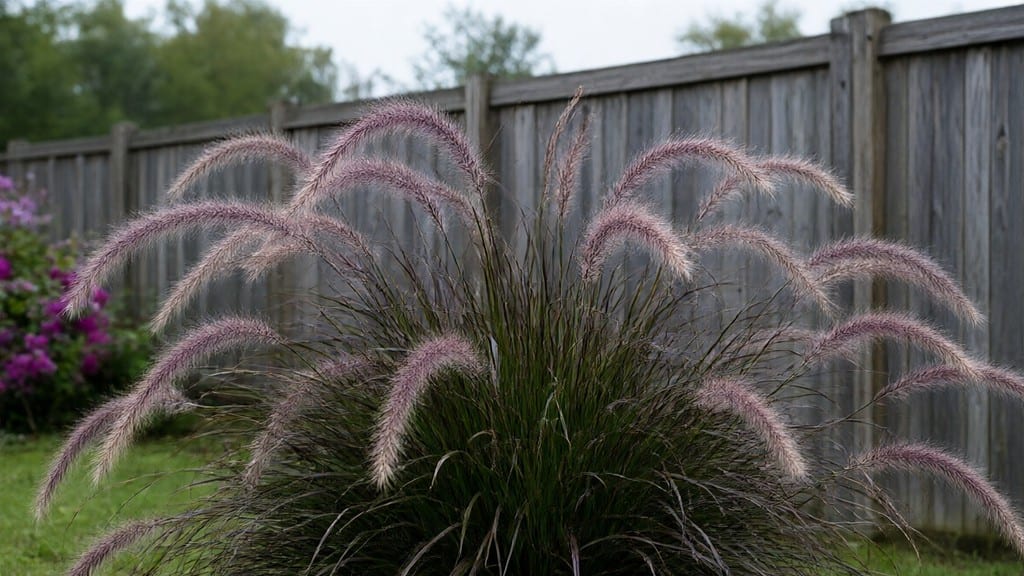
Growing purple feather grass 🌿 adds a bold splash of color to any garden, but its winter hardiness is what truly sets it apart from other ornamental grasses.
If you love the striking purple hue but dread winter’s icy grip killing your garden, these cold-resistant varieties will keep your landscape vibrant even when temperatures plunge.
This medium-height grass thrives in USDA Zone 6a and beyond, with planting best done in March or April for full sun exposure—critical for maintaining that rich purple color.
In this guide, you’ll learn how to plant, care for, and protect your purple feather grass through freezing winters, plus the top 5 cold-hardy varieties that won’t wilt when frost arrives.
Top 5 cold-hardy purple feather grass varieties for winter survival
If you're searching for purple feather grass that thrives in winter's chill, look no further than these cold-hardy varieties. Unlike delicate ornamental grasses, these Pennisetum types maintain their vibrant purple hues even when temperatures drop below freezing.
Their frost tolerance and adaptability make them perfect for USDA zones 5-9, ensuring year-round color in your garden.
What sets these varieties apart is their ability to retain structure through winter dormancy, with some even rebounding beautifully in spring. Whether you're in a northern climate or a high-altitude region, these winter survivors will keep your landscape looking polished and lively when other plants fade away.
Comparison Table: Top 5 Cold-Hardy Purple Feather Grass Varieties
For gardeners in USDA zone 5 or colder, Pennisetum 'Little Bunny' and 'Hameln' are my top picks—they handle sub-zero temperatures with ease while still delivering that show-stopping purple color. These varieties also retain their structure better than others, so they won’t flop or lose their form when winter winds blow.
If you're in warmer zones (6-9), consider Pennisetum 'Fireworks' for its dramatic height and vibrant winter hues. This variety thrives in hot summers while still holding up in mild winters. Its red-tipped plumes add a pop of color that’s perfect for holiday landscapes.
The clumping habit of 'Little Bunny' makes it ideal for edging pathways or lining garden beds, while the bushy form of 'Purple Bush' works beautifully in containers or as a focal point in mixed borders. Both varieties rebound quickly in spring, ensuring your garden stays lush and colorful year-round.
One of my favorite winter survival traits is how these grasses maintain their color even when other plants fade. 'Karley Rose', for example, keeps its rosy-purple tones through winter, adding warmth to snowy landscapes.
This variety also arches gracefully, making it perfect for dried flower arrangements or winter bouquets.
When selecting your purple feather grass, consider your garden layout and climate needs. For small spaces, 'Little
How to plant and care for purple feather grass in freezing climates
Purple feather grass (Pennisetum alopecuroides) thrives in cold climates when planted and cared for properly. Its vibrant purple plumes stay stunning even through winter freezes, but success depends on preparation.
Whether you're in USDA Zone 5 or colder, these steps will ensure your grass survives—and even thrives—through harsh winters.
Start with well-draining soil and a sunny location (6+ hours of sunlight daily). Purple feather grass is drought-tolerant once established, but proper planting depth and mulching are critical for winter survival. Avoid heavy, clay soils that retain moisture, as soggy roots freeze more easily.
Step-by-Step Planting & Winter Care Guide
-
Step 1: Choose the Right Location
Select a spot with full sun and shelter from harsh winds. Purple feather grass needs at least 6 hours of sunlight daily to maintain its vibrant purple hue.
-
Step 2: Prepare the Soil
Amend clay or compacted soil with compost or sand to improve drainage. Purple feather grass hates soggy roots, so avoid low-lying areas where water pools.
-
Step 3: Plant at the Right Depth
Dig a hole twice as wide as the root ball but no deeper. Plant so the crown sits slightly above soil level to prevent rot in wet winters.
-
Step 4: Water Deeply After Planting
Give new plants a deep watering to settle soil. After that, water only when soil is dry 2 inches down. Overwatering in winter can kill roots.
-
Step 5: Mulch for Winter Protection
Apply 2-3 inches of mulch (straw or shredded leaves) around the base in late fall. This insulates roots from freezing temps while allowing airflow.
-
Step 6: Prune in Early Spring
Cut back dead foliage to 3-4 inches tall in March before new growth starts. This prevents disease buildup and encourages fresh, vibrant plumes.
-
Step 7: Fertilize Lightly in Spring
Apply a balanced fertilizer (10-10-10) in early spring to support new growth. Skip fertilizing in summer or fall, as it encourages tender growth before winter.
One of the biggest mistakes gardeners make is overwatering in winter. Purple feather grass enters dormancy when temps drop below 32°F, so reduce watering to once a month unless you're in a drought-prone area. Even then, let the soil dry out completely between waterings.
For extra protection in Zone 4 or colder, wrap young plants with burlap or frost cloth during extended freezes. Older, established plants usually handle cold well, but a thick mulch layer acts like a blanket, keeping roots 5-10°F warmer than ambient air.
With these steps, your purple feather grass will stay lush and colorful year-round, even when your neighbors' gardens are buried under snow. The key is preparation—great soil, smart watering, and winter protection make all the difference! 🌿