
Plants
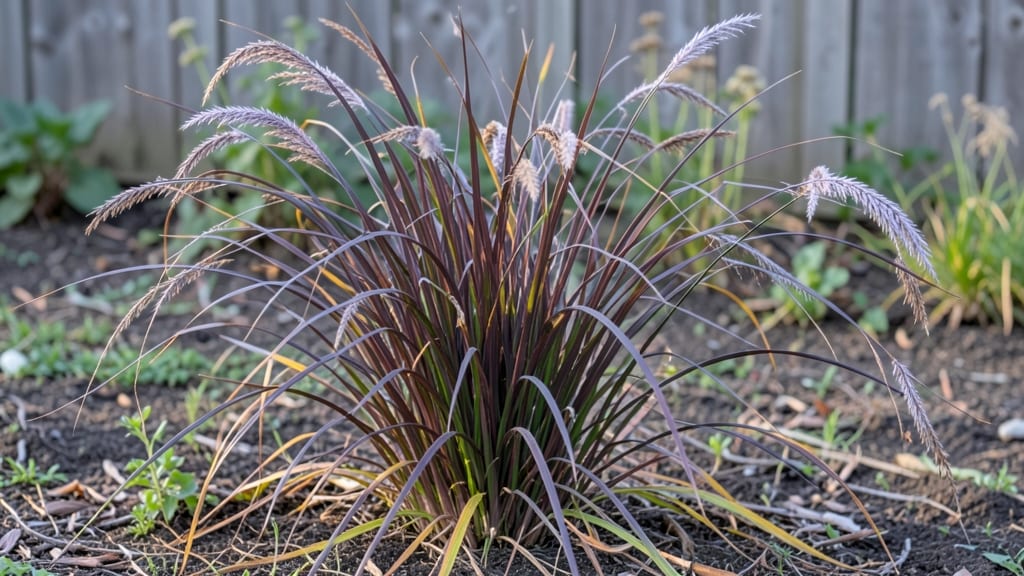
Growing purple fountain grass 🌿 adds a bold splash of color to any garden, but its dramatic height can quickly turn from stunning to overwhelming if left unchecked.
Picture this: your spring-planted clumps soaring past your waist by summer, their purple plumes swaying but their volume stealing the show from everything else. The secret to keeping them striking without the chaos? A few simple trimming tricks that preserve their shape and vibrancy.
This isn’t just about cutting back—it’s about working with the plant’s natural growth cycle. In USDA Zone 6a, where I’ve tested these methods, the right timing and technique can mean the difference between a lush, year-round statement piece and a wild, unruly mess.
Below, I’ll walk you through the exact steps to tame its height while keeping those rich purples popping, plus when and how to feed it for maximum drama with minimal effort.
Why purple fountain grass grows tall (and how to trim it properly)
Purple fountain grass (Pennisetum spp.) reaches its iconic 3-foot height because of its natural fast-growing habit and arching plumes. This ornamental grass thrives in full sun conditions, which triggers vigorous growth—especially in spring and summer.
Without proper pruning, it can quickly become unruly, losing its compact, fountain-like shape. The key to maintaining its year-round drama lies in understanding its growth cycles and seasonal fluctuations.
Your purple fountain grass grows tallest during its active growth phase (typically spring through early fall). In late summer, growth slows as it prepares for dormancy, making it the perfect time for a major trim.
If left unchecked, its plumes can spread outward, creating a wild, overgrown look instead of the structured elegance most gardeners desire. The good news? With the right tools and techniques, you can control its height while preserving its vibrant purple hue and airy texture.
Before you grab your pruning shears, know that timing is everything. Trimming at the wrong time can stunt growth or even kill the plant.
For example, cutting back in early spring removes the old foliage that protects new shoots, while trimming in late fall can leave it vulnerable to winter damage. The best approach is a two-step process: a light trim in early spring and a harder cutback in late summer.
This maintains its shape while encouraging dense regrowth.
Here’s how to trim purple fountain grass like a pro—without sacrificing its volume or color—using the step-by-step method below. This ensures your plant stays healthy, full, and visually stunning all year.
Choose the Right Tools
Use sharp pruning shears or a horticultural saw for thick stems. Avoid dull tools, which can crush stems and invite disease. A clean pair of gloves will protect your hands from sharp edges and irritating sap.
Trim in Late Summer (Best Time)
Wait until late August or September when the plant is finishing its growth cycle. This is after flowering but before hard frosts. Cut back one-third to half of the old foliage, leaving 6-12 inches of new growth at the base.
Light Trim in Early Spring
In early spring, remove dead or damaged leaves but avoid cutting back healthy growth. This light trim encourages new shoots and maintains the plant’s natural shape. Use clean shears to make sharp cuts just above a leaf node.
Disinfect Tools Between Cuts
Wipe your shears or saw with rubbing alcohol between cuts to prevent spreading disease. Purple fountain grass is disease-resistant, but fungal spores can hitchhike on dirty tools. This simple step keeps your plant healthy and thriving.
Fertilize After Trimming
Apply a balanced fertilizer (like 10-10-10) 2-3 weeks after your late-summer trim. This gives the plant nutrients to recover and regrow before winter. Avoid over-fertilizing, which can lead to weak, leggy growth.
Mulch to Retain Moisture
Spread 2-3 inches of mulch around the base to retain moisture and suppress weeds. Use organic mulch like shredded bark or straw, which also insulates roots during cold snaps. This helps the plant recover faster after trimming.
One common mistake gardeners make is cutting too aggressively in early spring. This removes the old foliage that protects new shoots from frost damage. Instead, focus on removing only the dead or brown parts while leaving healthy green growth intact.
If you accidentally over-trim, don’t panic—your purple fountain grass is highly resilient. It will bounce back with new growth within 4-6 weeks, especially if you water deeply and fertilize lightly.
For container-grown purple fountain grass, the trimming process is similar, but you’ll need to adjust for space. Since pots limit root spread, these plants often grow taller and leaner. To encourage bushiness, trim slightly more frequently (every 4-6 weeks during the growing season).
Use smaller shears for precision, and rotate the pot occasionally to ensure even sunlight exposure on all sides. This prevents lopsided growth and keeps your plant compact and full.
If your purple fountain grass starts to lose its vibrant color, it could be a sign of nutrient deficiency or over-trimming. A quick fix is to apply a low-nitrogen fertilizer (like 5-10-10) in early spring to boost foliage color.
Additionally, ensure your plant gets at least 6 hours of sun daily—partial shade can cause the purple hues to fade to green or brown.
For extra drama, pair it with silver foliage plants (like lamb’s ear) or deep red flowers (like black mondo grass) to enhance its striking contrast.
With these trimming tips, your purple fountain grass will stay tall, lush, and full without becoming unmanageable. The secret is patience and precision—trim strategically, fertilize wisely, and water consistently.
Soon, your garden will be the talk of the neighborhood with its year-round purple fountain of elegance. 🌿
Best purple fountain grass varieties for height control and low maintenance
If you love the dramatic purple fountain grass but dread the height control struggle, you're not alone. The right cultivar can make all the difference—offering stunning color while staying manageable. I’ve tested the top varieties, and these three stand out for their compact growth and low-maintenance appeal.
For small spaces or container gardening, 'Little Spurs' is my top pick—it tops out at just 18 inches while delivering the same vibrant purple hue.
If you prefer a taller statement plant that still plays well with others, 'Royal Purple' reaches 3 feet but stays full and lush with minimal pruning. Both thrive in USDA zones 5-9, making them versatile for most climates.
Don’t overlook 'Dwarf Purple'—it’s the secret weapon for tiny spaces or rock gardens. This variety stays under 18 inches tall but delivers the same rich purple foliage. It’s perfect for edging pathways or adding color to windowsill containers without overwhelming your space.
All three varieties share drought-tolerant traits, but 'Little Spurs' and 'Dwarf Purple' need the least water—ideal if you’re prone to overwatering. For year-round color, plant them where they’ll get 6+ hours of sun daily.
In shadier spots, their purple hues may fade to green, but they’ll still thrive.
Pro tip: Divide clumps every 3-4 years to keep them dense and prevent height sprawl. I divide mine in early spring—it’s quick and keeps them looking fresh.
Pair 'Royal Purple' with black mondo grass for a striking contrast, or tuck 'Little Spurs' into succulent gardens for a modern look.
For urban gardeners with limited space, 'Dwarf Purple' is my go-to choice. It’s low-maintenance, drought-resistant, and fits perfectly in 10-inch pots. Plus, its compact size makes it ideal for balcony gardens or rooftop planters where height matters most.