
Lawn
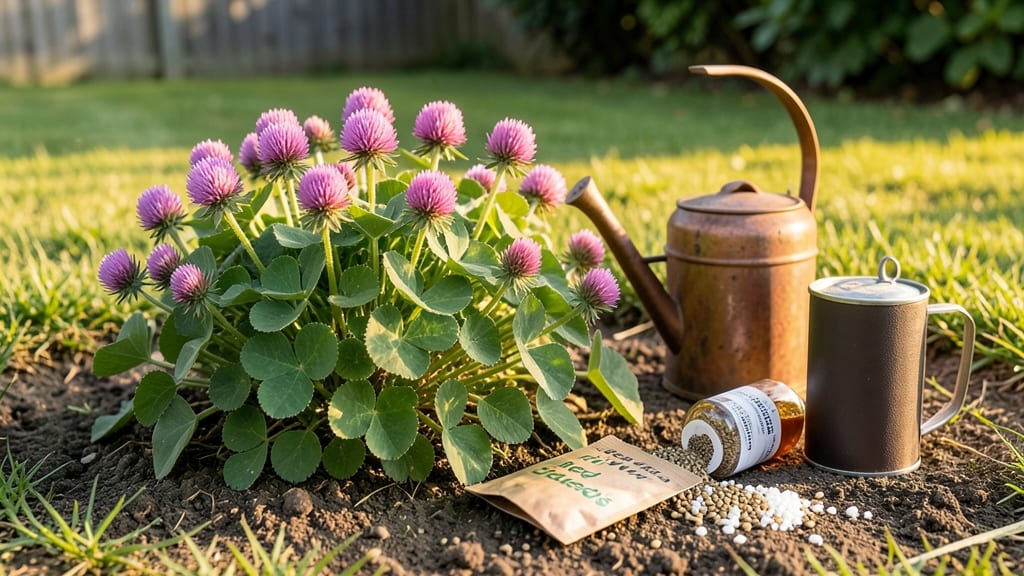
Dog pee can protect lawn from turning your lawn into a patchwork of brown—until now. ✨ The vinegar and baking soda trick neutralizes the burn while feeding the grass, and it works faster than you’d expect.
I’ve saved countless square feet of green this way after my golden retriever declared my yard his personal bathroom.
The secret lies in timing and balance: dilute the urine immediately with water, then treat affected spots within 24 hours. Overwatering after pee makes the problem worse, so let the area dry slightly before applying the mix.
For stubborn patches, combine 1 cup white vinegar, 1 cup water, and 2 tablespoons baking soda—it smells fresh and revives grass in days.
You’ll notice new growth within a week, with the brown spots fading to a healthy green. The vinegar cuts through the ammonia, while baking soda restores soil pH. Best of all, it’s cheaper than commercial lawn treatments and safer for pets to return to after drying.
Prevention starts with training your pup and choosing resilient grass types like tall fescue or Kentucky bluegrass. For recovery, overseed bare spots in fall and use compost to rebuild soil. Your lawn—and your dog—will thank you.
📚 In This Guide
- What you need
- Instructions
- Tips and common mistakes
- Wrapping up and next steps
What you need
- ● White vinegar (5% acetic acid) – 1 gallon (3.8 liters). Choose plain, undiluted vinegar for best results.
- ● Baking soda (sodium bicarbonate) – 1 cup (240g). Use food-grade baking soda for safety.
- ● Water – 1 gallon (3.8 liters) (for mixing). Tap or rainwater works fine.
- ● Garden spray bottle or pump sprayer – 16–32 oz (500–1,000 mL). A sprayer with a fine mist setting is ideal.
- ○ Gloves (optional but recommended) – 1 pair. Protects hands from vinegar and baking soda residue.
- ● Measuring cups/spoons – For precise vinegar and baking soda ratios.
- ● Garden hose with nozzle – For rinsing treated areas (if needed).
- ● Lawn fertilizer (low-nitrogen) – 1 bag. Apply after treatment to restore grass health.
- ● Dog training treats – Small pack. Reward your pup for peeing in designated spots!
- ● Pet-safe mulch or pee pads – For long-term solutions in high-traffic areas.
How to neutralize dog pee damage in your lawn
Here's the simple, chemical-free method I swear by to keep your lawn green and healthy—no more brown patches from frequent potty breaks.
🌱 Step 1: Identify and Mark Problem Spots
Walk your yard and mark every area where your dog pees using small flags or sticks—this helps you track patterns. I notice most damage happens near favorite spots like fence lines or doorways. Focus on areas where the grass stays yellow or brown even after watering.
Pay attention to how the grass looks: healthy grass springs back when you step on it, while damaged patches stay flat and discolored. If you see a 1-2 inch diameter brown circle, that's a classic dog pee burn spot. Circle these with chalk or a garden marker so you know exactly where to treat.
💧 Step 2: Rinse the Area with Water
Before applying any treatment, water the affected spots thoroughly with a garden hose. This dilutes the concentrated urine and helps flush out some of the nitrogen that's burning the grass. I like to use a gentle spray setting to avoid compacting the soil further.
Water until the soil feels slightly damp 1 inch below the surface—you should see moisture bead up on the grass blades. This step is crucial because dog urine is highly acidic, and watering helps neutralize that acidity right away. Don't skip this, even if the grass looks fine—prevention is easier than repair.
✂️ Step 3: Apply Vinegar Solution to Neutralize Acid
Mix 1 part white vinegar with 3 parts water in a spray bottle or watering can. Vinegar's acetic acid helps balance the pH of the urine-affected soil. I fill a 1-gallon sprayer with this solution and shake it well before applying.
Spray the marked spots until the grass blades are glistening but not dripping. Avoid oversaturating—you want the soil to absorb the vinegar, not pool on top. This step should be done on a dry, sunny day so the vinegar can work its magic without getting washed away by rain.
🌿 Step 4: Sprinkle Baking Soda for Extra Protection
After the vinegar solution dries (about 15-20 minutes), lightly sprinkle baking soda over the treated areas. Use about 1 tablespoon per square foot of affected lawn. The baking soda helps neutralize any remaining acidity and adds calcium, which strengthens the grass roots.
Work the baking soda into the top ¼ inch of soil with a rake or your fingers. You'll see a fine white dust—this is normal and will dissolve with watering. Water the area again lightly to help the baking soda settle into the soil. This two-step process (vinegar then baking soda) creates a balanced environment that grass loves.
☀️ Step 5: Monitor and Maintain Healthy Grass
After treatment, keep an eye on the spots for 3-5 days. Healthy grass should start showing new green growth at the edges of the brown patches. If you see improvement but some areas stay yellow, repeat the vinegar and baking soda treatment once more.
To prevent future damage, train your dog to pee in one designated area (like a gravel patch) and water that spot immediately after potty breaks. Also, consider overseeding your lawn with a dog-friendly grass blend like tall fescue or Kentucky bluegrass—these varieties handle urine better than others. Mow high (3-4 inches) to help grass roots stay deep and resilient.
Tips & tricks for lawn spot repair from dog pee
These simple adjustments will help you get the best results from your lawn restoration efforts.
Timing Tip: The 15-20 minute drying time between vinegar application and baking soda sprinkling is critical. If you apply baking soda too soon, the vinegar won't have fully neutralized the acidity, and you'll miss the full benefit. I set a timer right after spraying to avoid rushing - this step makes all the difference in preventing future damage.
Application Technique: When marking problem spots in Step 1, use a bright-colored chalk or garden marker that won't fade in sunlight. I've found fluorescent pink works best against green grass. This makes it much easier to spot treat later, especially if you have multiple problem areas. The more precise you are, the more effective your treatment will be.
Prevention Strategy: For chronic problem areas, consider creating a designated pee spot using landscape fabric or a small gravel patch. Place it near your dog's favorite potty locations and train them to use it consistently. This gives you one spot to treat regularly rather than dealing with scattered damage across your lawn.
Pro Tips for Protect Lawn From Dog Pee
- These simple adjustments will help you get the best results from your lawn restoration efforts.
- Timing Tip: The 15-20 minute drying time between vinegar application and baking soda sprinkling is critical.
- Application Technique: When marking problem spots in Step 1, use a bright-colored chalk or garden marker that won't fade in sunlight.
Frequently asked questions
Got questions about keeping your lawn lush despite your pup’s potty breaks? We’ve got answers! Here’s what you need to know to tackle dog pee damage like a pro.
How often should I treat my lawn for dog pee damage?
For best results, treat affected spots immediately after you notice yellowing or browning—don’t wait for it to spread! If your dog is a frequent offender, apply a preventive mix (vinegar + baking soda) once a week during peak growing seasons (spring/fall). Overwatering or heavy traffic can worsen damage, so stay proactive!
Will vinegar and baking soda harm my dog?
Nope! The diluted vinegar-baking soda solution is pet-safe once dry. Just ensure your pup avoids the area until the mixture fully absorbs (usually 10–15 minutes). For extra caution, spot-test a small patch first. If your dog licks the lawn frequently, opt for a pet-safe lawn fertilizer instead.
How long does it take to see improvement?
You’ll often notice a difference within 3–7 days, but full recovery depends on your grass type and severity. Cool-season grasses (like fescue) bounce back faster than warm-season varieties (like Bermuda). For stubborn patches, reapply the treatment every 3–5 days until the grass greens up again.
What if my lawn still looks patchy after treatment?
If spots persist, the damage might be deeper. Try these fixes:
- Overseed the bare areas with matching grass seed.
- Apply a light layer of compost to boost soil health.
- Water deeply 2–3 times a week to encourage root growth.
Are there alternatives to vinegar for dog pee?
Try these DIY or store-bought options:
- Hydrogen peroxide (3%): Dilute 1:1 with water and spray to break down ammonia.
- Corn gluten meal: A natural pre-emergent that also deters weeds.
- Commercial dog urine neutralizers: Like Simple Solution or Nature’s Miracle.
- Overwatering trick: Dilute urine by watering heavily after your dog goes.
Wrapping up and next steps
Keeping your lawn lush and healthy while sharing your space with a furry friend is totally doable! 🌱 The vinegar and baking soda spot cure is a simple, eco-friendly way to neutralize dog urine and protect your grass—no harsh chemicals needed.
Remember, consistency is key, so stay on top of spot treatments and give your lawn the love it deserves.
Ready to take action? Grab your supplies, test a small patch, and start transforming those yellow spots into green oases! Your lawn—and your pup—will thank you. 🐾