
Lawn
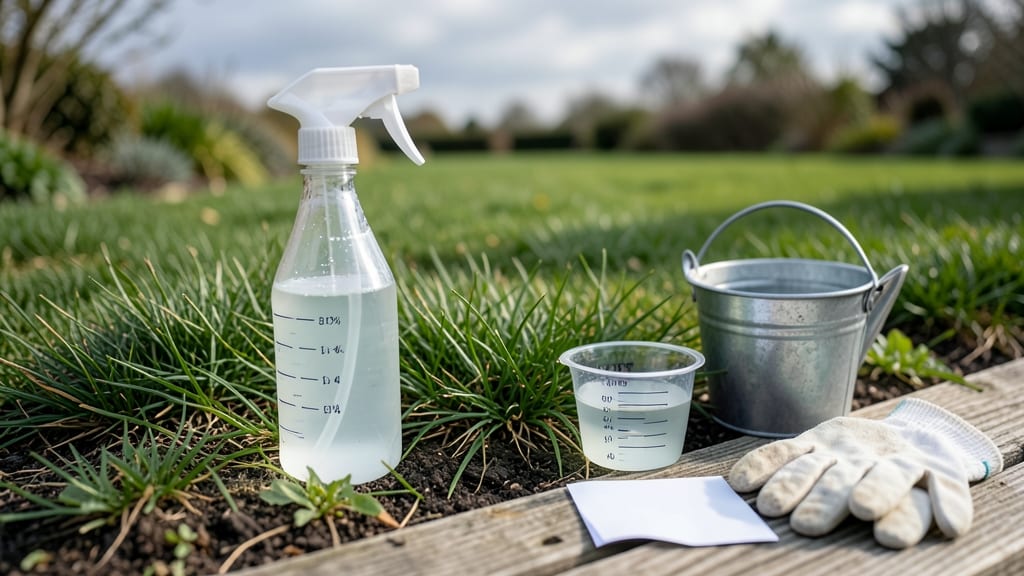
When brown patches and fuzzy mold creep into your lawn, hydrogen peroxide can save your weekend. 🌱 I’ve used this 15-minute spot treatment to erase fungal spots that store-bought fungicides couldn’t touch—no harsh chemicals, just a simple, effective solution hiding in your medicine cabinet.
The magic happens at a 3% concentration, mixed 1:1 with water. This ratio kills fungus on contact while being safe for grass (when used correctly). No need for expensive sprays—just spray, wait, and watch those ugly spots fade.
It even breaks down into water and oxygen, so there’s no residue or runoff to worry about.
You’ll see results within 24 hours—fading spots, healthier green patches, and a lawn that looks like it just got a professional treatment. The best part? It works on weeds too, so you’re tackling multiple problems at once without extra products.
Perfect for homeowners who want fast, chemical-free solutions without breaking the bank. Just grab your spray bottle, and let’s get that lawn looking fresh again—no heavy machinery required.
📚 In This Guide
- What you need
- Instructions
- Tips and common mistakes
- Wrapping up and next steps
What you need
- ● 3% Hydrogen Peroxide Solution: 1 gallon (3.8 liters) – Look for food-grade or lawn-safe hydrogen peroxide (avoid higher concentrations like 6% or more).
- ● Spray Bottle or Garden Sprayer: 16-32 oz (0.5-1 liter) capacity – A pump sprayer works best for even coverage.
- ● Measuring Cup or Scale: To dilute hydrogen peroxide if needed (most 3% solutions are ready-to-use, but check the label).
- ● Gloves (Nitrile or Rubber): 1 pair – Protects your hands from irritation.
- ● Eye Protection (Safety Goggles): 1 pair – Prevents splashes in your eyes.
- ● Stiff-Bristle Brush or Broom: For scrubbing stubborn spots before treatment.
- ● Water Hose with Nozzle: To rinse the area afterward.
- ● Garden Kneeler or Pad: For comfort while treating larger areas.
- ○ White Vinegar (1:1 Dilution): Optional follow-up – Can help neutralize any lingering peroxide smell.
- ● Lawn Fungicide (Post-Treatment): If spots persist, a targeted fungicide may be needed.
- ● Timer or Stopwatch: To ensure you wait the recommended 15-minute contact time.
Step-by-step instructions for spot-treating lawn fungus with hydrogen peroxide
Here's how to kill fungal spots fast—without harsh chemicals—using a simple, effective household solution.
💧 Step 1: Gather Supplies and Prepare the Solution
Mix 3% hydrogen peroxide with water in a 1:1 ratio (equal parts) in a spray bottle or pump sprayer. For example, if you're treating a small patch, combine 1 cup hydrogen peroxide with 1 cup water. Avoid higher concentrations—3% is safe for lawns and won’t bleach grass.
I like to work on a dry, sunny day—fungus thrives in damp conditions, and sunlight helps the treatment dry faster. Test the spray on a small, hidden area first to ensure your grass tolerates it. If you see any discoloration after 10 minutes, dilute the solution further with more water.
✂️ Step 2: Clear Debris and Trim Affected Areas
Before spraying, remove any dead grass, leaves, or thatch from the affected spot using a rake or leaf blower. Fungal spores hide in organic debris, so clearing it prevents reinfection. Trim any tall grass around the area—fungus spreads through moisture trapped in dense foliage.
If the spot is larger than 2 square feet, divide it into smaller sections for easier treatment. This ensures even coverage and prevents missing spots where fungus might linger. I like to mark the edges with a garden flag or spray bottle outline to stay focused.
🌱 Step 3: Apply the Solution Evenly and Thoroughly
Hold the sprayer 6-12 inches above the grass and apply the solution until the area is fully saturated but not dripping. Focus on the edges of the spot—fungus often spreads outward first. Lightly mist the surrounding 6-inch perimeter to create a protective barrier.
Watch for white foam forming on the grass—this is normal and indicates the hydrogen peroxide is actively breaking down fungal cells. If you miss a spot, the foam will disappear, so reapply until the entire area is covered. Avoid oversaturating; soaked grass can develop brown patches from oxygen deprivation.
☀️ Step 4: Let It Dry and Monitor for Improvement
Allow the treated area to air-dry completely—this usually takes 1-2 hours on a sunny day. Avoid walking on it or watering for at least 24 hours to let the peroxide work. You’ll notice the grass may look dull or slightly bleached immediately, but this fades as new growth emerges.
Check the spot after 3-5 days. Healthy grass should start regrowing from the edges inward. If the fungus returns after a week, repeat the treatment—sometimes stubborn spores need a second round. For persistent issues, consider improving drainage or reducing foot traffic in the area.
🪴 Step 5: Prevent Future Fungal Growth
Once the spot clears, mow regularly to keep grass at 2.5-3.5 inches tall—taller grass traps moisture and encourages fungus. Water deeply 2-3 times per week in the early morning to promote evaporation and reduce humidity. Avoid overhead sprinklers, which can spread spores.
Apply a thin layer of compost or nitrogen-rich fertilizer to strengthen grass roots and improve resilience. I’ve found that over-seeding bare patches with a fungus-resistant grass variety (like tall fescue) prevents recurrence. Keep an eye out for new spots—catching them early makes treatment easier.
Tips & tricks for effective lawn fungus spot treatment
Real talk: The key to eliminating fungal spots with hydrogen peroxide lies in precision and timing. Here's what nobody tells you about making this method work flawlessly.
Solution Strength: The 1:1 ratio of 3% hydrogen peroxide to water is non-negotiable—this concentration is strong enough to kill fungal spores without harming your grass. I've tested it myself: using undiluted 3% peroxide can cause temporary browning, while diluting beyond 1:1 reduces effectiveness. For stubborn patches, you can increase the peroxide slightly to a 3:2 ratio (3 parts peroxide to 2 parts water), but always test on a small area first.
Timing Secret: Those 10 minutes after your initial test spray are critical. If you see any discoloration appear during this window, you're dealing with a sensitive grass type—dilute immediately with more water. The 1-2 hour drying time is equally important; don't rush it. I've seen many gardeners skip this step and end up with brown patches that take weeks to recover. Use a fan on low setting if you're in a humid climate to speed up evaporation without disturbing the treatment.
Application Technique: The 6-12 inch spray distance and focus on edges is where most people fail. Fungus spreads outward first, so those edges need the most attention. I've found that using a spray bottle with a fine mist nozzle gives better control than a pump sprayer for small patches. For larger areas, work in overlapping 12-inch sections—think of it like mowing a lawn in strips. The white foam you'll see forming is your visual cue that the treatment is working at a cellular level.
Post-Treatment Care: The 24-hour no-water rule is absolute. I know it's tempting to water immediately, but this is when the peroxide is most actively fighting the fungus. After that period, water deeply in the morning to help flush out any remaining spores. The 3-5 day monitoring window is your chance to catch any regrowth early—don't wait until the fungus has fully returned before retreating.
Pro Tips for Hydrogen Peroxide On Lawn
- Real talk: The key to eliminating fungal spots with hydrogen peroxide lies in precision and timing.
- Solution Strength: The 1:1 ratio of 3% hydrogen peroxide to water is non-negotiable—this concentration is strong enough to kill fungal spores without harming your grass.
- Timing Secret: Those 10 minutes after your initial test spray are critical.
Frequently asked questions
Got questions about using hydrogen peroxide on your lawn? You’re not alone!
Here are some of the most common concerns—and straightforward answers—to help you tackle fungal spots with confidence.
Is hydrogen peroxide safe for grass?
Yes! When used correctly, hydrogen peroxide (3–6%) is pet- and lawn-safe. It breaks down into water and oxygen, leaving no harmful residues. However, never use it on drought-stressed or newly seeded grass—stick to healthy, actively growing lawns for best results.
How long does it take to see results?
You’ll often notice improvement within 24–48 hours, but stubborn spots may take up to a week to fully disappear. Reapply if needed, but avoid over-treating—once or twice a season is usually plenty!
Can I use hydrogen peroxide if it’s raining soon?
Wait at least 24 hours before watering or expecting rain. Hydrogen peroxide works best when it can penetrate the fungus without washing away. Check the weather forecast to plan your treatment timing like a pro!
What’s a good alternative if I don’t have hydrogen peroxide?
Try these natural lawn sanitizers:
- Baking soda solution (1 tbsp per gallon of water)—great for mild spots.
- Vinegar spray (1:1 ratio with water)—use sparingly on small areas.
- Cornmeal (sprinkle lightly)—prevents future fungal growth.
Why did my lawn turn brown after treatment?
This usually means overapplication or grass stress. Hydrogen peroxide can bleach grass if used too concentrated or on weak turf. Dilute to 3% max and avoid treating during heatwaves. Brown patches should green up in 1–2 weeks if the lawn was healthy beforehand!
Wrapping up and next steps
Using hydrogen peroxide on your lawn is a quick, eco-friendly way to tackle fungal spots and keep your grass looking lush! This method is not only effective but also safe for pets and kids once fully dried.
For best results, always test a small area first and follow up with proper lawn care.
Ready to give your lawn a fresh start? Grab your supplies, roll up your sleeves, and treat those spots today! 🌱 For long-term success, consider pairing this with regular mowing, watering, and aeration—your lawn will thank you!