
Lawn
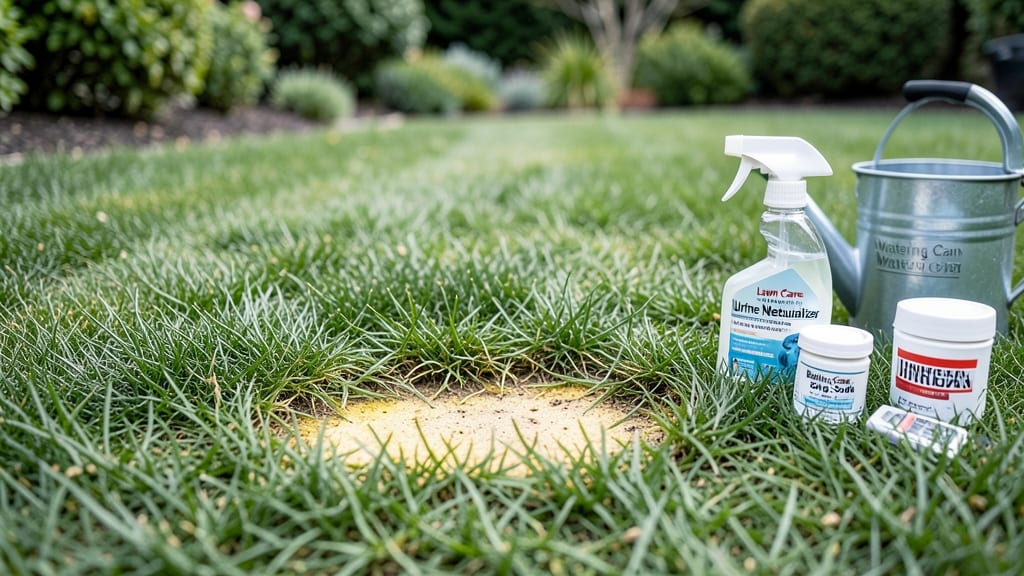
Dog urine can turn your lawn into a patchwork of brown spots and stunted grass—unless you lawn neutralize dog urine fast. ✨ The secret isn’t just watering; it’s a fast-action pH reset that saves your grass before the damage sets in.
I’ve turned my once-spotted yard into a lush, uniform carpet by tackling the problem at its root (literally). The issue isn’t just the urine itself—it’s the ammonia that burns grass and the acidity that kills roots. Overwatering or using harsh chemicals only makes it worse.
Instead, I rely on a three-step process: dilution, soil amendments, and preventive measures that keep grass thriving. No more guessing—just results in days, not weeks. By the end, your lawn will bounce back with vibrant green patches that blend seamlessly.
The key is acting within 24 hours of the damage, so your grass doesn’t have time to suffer. Here’s how to make it happen without harsh chemicals. This works for any yard, whether you’ve got a small patch or a full acre. The goal?
A lawn so healthy, even your dog won’t notice the difference.
The Science Behind Urine Damage
Dog urine isn’t just water—it’s a potent chemical cocktail that can turn your lush lawn into a patchy, yellowed eyesore. Understanding why this happens is the first step to fixing it.
The problem boils down to two key factors: pH imbalance and nitrate buildup. Let’s break down the science behind why your grass struggles to recover after a pup’s business.
When your dog pees, their urine contains high concentrations of ammonia and urea—byproducts of protein metabolism. Here’s how it damages your lawn:
- Urea breaks down into ammonia when it hits the soil. This process is accelerated by urease, an enzyme naturally present in grass and soil bacteria. The chemical reaction is simple:
Urea (CO(NH₂)₂) + Water (H₂O) → Ammonia (NH₃) + Carbon Dioxide (CO₂) - Ammonia is alkaline (pH ~11–12), creating a harsh environment that burns grass blades on contact. Think of it like a chemical sunburn—your lawn turns brown and crispy within hours.
- Young grass and thin turf are most vulnerable because their root systems can’t absorb enough water to dilute the ammonia’s effects.
Actionable insight: The longer urine sits, the worse the damage. Ammonia evaporates quickly, but the nitrates left behind (from ammonia converting to nitrites/nitrates) linger and disrupt soil health.
Dog urine isn’t just acidic or alkaline—it’s a pH rollercoaster. Here’s how it throws your lawn’s balance off:
- Initial alkalinity (pH 7–9): Fresh urine raises soil pH temporarily, making nutrients like iron, manganese, and phosphorus less available to grass roots. This causes chlorosis (yellowing between veins) even if the grass isn’t dead.
- Long-term acidification (pH drops to 5–6): Over time, nitrates from decomposed urine acidify the soil, creating a double whammy. The grass struggles to uptake essential nutrients, and beneficial microbes (like Azotobacter) that help break down nitrogen are suppressed.
- Compacted or clay-heavy soil worsens the problem because water drains poorly, trapping concentrated urine salts near the surface.
Pro tip: Test your soil’s pH after heavy urine exposure. If it’s above 7.5, your lawn is in nutrient starvation mode—even if you’re fertilizing regularly.
Beyond pH, dog urine contains high levels of sodium, potassium, and magnesium. While these minerals are harmless in small doses, repeated exposure leads to:
- Osmotic stress: Excess salts draw water out of grass roots, causing wilting and browning (even if the soil is moist).
- Soil crusting: Salts crystallize on the soil surface, preventing water and air from reaching roots. This is why urine spots often feel hard and dry to the touch.
- Microbe disruption: Beneficial soil bacteria and fungi (like mycorrhizae) are sensitive to high salt concentrations, weakening the grass’s natural defenses.
Key takeaway: Rinsing the area immediately after your dog goes can dilute salts and reduce long-term damage. But if salts have already built up, you’ll need a chelated iron treatment to restore green color.
Next up: We’ll dive into how to reverse the damage with science-backed neutralization techniques—so your lawn stays green, even after Fido’s “landmarks.”
Quick Fixes for Dog Urine Damage
Dog urine can turn your lush lawn into a patchy, yellow mess—but the good news is, you can reverse the damage with the right approach. The key is understanding why the problem occurs and matching it with the best solution.
Below, we break down common causes and the fastest, most effective fixes to restore your grass.
When dog urine sits too long, it lowers soil pH, burning grass and stunting growth. The fix? Neutralize the acidity ASAP.
⚡ Fast Neutralization (Immediate Fix)
- 🍳 Mix a baking soda solution (1 tbsp baking soda per gallon of water) and pour it directly over the affected area. The sodium bicarbonate raises pH, counteracting the urine’s acidity.
- 🌱 Apply a lawn-specific pH balancer (like lime granules) after watering. Follow package instructions for even distribution.
- ⏰ Reapply every 2–3 weeks if your dog frequently urinates in the same spots.
💡 Prevention Tip:
Train your dog to urinate in a designated area (like a gravel patch or mulch bed) to minimize lawn exposure. If that’s not an option, dilute urine by watering the spot immediately after your pup goes.
Fresh, concentrated urine can scorch grass blades instantly. If you spot brown patches within hours of your dog peeing, act fast.
👨🍳 Flush & Flush Again (Emergency Treatment)
- 💦 Water the area thoroughly (at least ½ inch of water) to dilute the urine and wash away excess nitrogen.
- 🌧️ Use a hose with a gentle spray for 5–10 minutes to ensure deep penetration.
- 🌱 Overseed the spot with grass seed after 2–3 days if the burn is severe. Keep the soil moist until new growth appears.
💡 Prevention Tip:
If your dog has a favorite spot, cover it with landscape fabric or a dog urine-neutralizing mat (like a pee pad) to protect the grass.
If your lawn has repeated yellow patches, the problem is likely compromised soil health from long-term urine exposure.
🥘 Soil Revival (Long-Term Solution)
- 📊 Test your soil’s pH (use a home test kit or send a sample to a local extension office). Aim for a pH of 6.0–7.0 for most grasses.
- 🌡️ Apply a slow-release nitrogen fertilizer (like a 16-4-8 formula) to help grass recover. Avoid quick-release fertilizers—they can worsen acidity.
- ✨ Top-dress with compost (¼ inch layer) to improve soil structure and buffer future urine damage.
💡 Prevention Tip:
Rotate your dog’s potty areas weekly to prevent soil depletion in one spot. If possible, train them to avoid high-traffic lawn zones.
Not all lawns are the same—here’s how to handle non-grass surfaces.
🔪 Artificial Turf? Skip the Water!
- ⚠️ Never water synthetic turf—it traps urine and causes odor. Instead:
- 🧼 Clean with a vinegar-water mix (1:1 ratio) to neutralize odors.
- 🌬️ Brush in baking soda after rinsing to absorb lingering ammonia.
🌱 New Sod? Wait Before Treating
- If your lawn is brand new (<3 months old), avoid fertilizers or pH adjusters—they can stress young grass. Instead:
- 💧 Water deeply to dilute urine.
- 🌿 Wait 4–6 weeks before applying any amendments.
How long until your lawn bounces back? It depends on the damage:
| Issue | Fix Timeframe | Expected Recovery |
|---|---|---|
| Fresh burn (watered immediately) | 1–3 days | Grass regains color in 3–7 days |
| Moderate yellowing (neutralized + overseeded) | 2–4 weeks | Full regrowth in 4–6 weeks |
| Chronic patches (soil test + amendments) | 6–8 weeks | Improved health, but may need yearly maintenance |
With these targeted fixes, your lawn can go from dog urine disaster to green and thriving in no time. The key is speed—the sooner you act, the less damage your grass will suffer! 🌿
Frequently asked questions
How quickly should I act after my dog pees to prevent lawn damage?
Act within 15-30 minutes for best results. The ammonia in fresh urine burns grass almost instantly, so immediate dilution with water is critical. If you can't water right away, use a baking soda solution (1 tablespoon per gallon) to neutralize the pH before it sets in.
Can I use vinegar to neutralize dog urine on my lawn?
No, vinegar is acidic and will worsen the problem. Dog urine already creates a pH rollercoaster (first alkaline, then acidic), and adding more acidity stresses the grass further. Stick to baking soda solutions or lime-based neutralizers instead. They raise pH to counteract the urine's effects without harming the lawn.
Why do some spots recover faster than others after treatment?
Recovery speed depends on three factors: soil type (sandy soils recover faster), grass health (thick turf resists damage better), and how quickly you neutralized the urine. Clay-heavy soils hold concentrated salts longer, while young or thin grass shows damage more visibly. Always water thoroughly after treatment to help roots absorb nutrients.
Is there a natural way to train my dog to avoid damaging lawn spots?
Yes! Create a designated potty area using gravel, mulch, or artificial turf—dogs instinctively avoid peeing where they can't see their urine. You can also use citrus peels or coffee grounds (dogs dislike the smell) around high-traffic areas. Consistency is key—reward your dog when they use the designated spot.
How often should I test my lawn's pH after dealing with dog urine?
Test every 3-6 months if your dog frequently uses the same spots. Use a simple soil pH test kit (available at garden centers) and aim for a range of 6.0-7.0. If pH drops below 5.5 or rises above 7.5, apply lime (to raise pH) or sulfur (to lower pH) as needed. Regular testing prevents long-term soil damage.