
Lawn
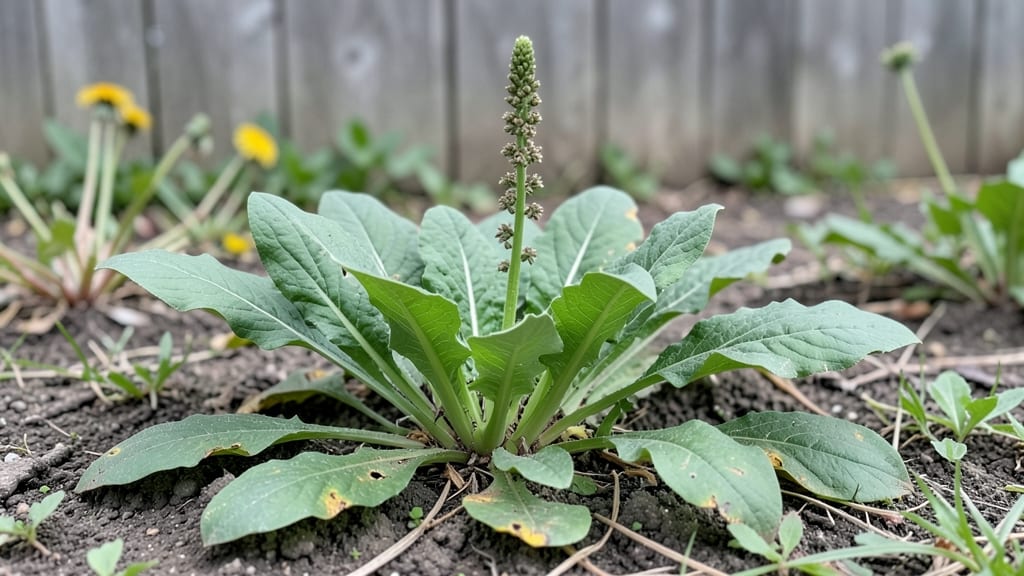
Plantain grass weed might look like a nuisance, but it’s actually a tough, drought-resistant groundcover that can outperform many lawns—if you know how to manage it. 🌱 I’ve spent years wrestling with it in my yard, and now I’m sharing how to turn this "weed" into a low-maintenance, shade-tolerant alternative that actually thrives where grass gives up.
The problem? Plantain spreads aggressively, smothering flowers and vegetables if left unchecked. But here’s the twist: it’s also one of the few plants that stays green through droughts, handles foot traffic, and requires almost no mowing.
The key is controlling its spread while letting it fill in bare spots—think of it as a natural, no-fuss lawn replacement.
By the end of this, you’ll know exactly how to thin it out, suppress unwanted growth, and even use it to crowd out weeds permanently. No more patchy lawns or water-guzzling grass—just a lush, resilient groundcover that actually works for you. Let’s get started with the right approach.
Works in full sun or shade, for busy homeowners or eco-conscious gardeners. The method is simple but effective—no fancy tools or chemicals required.
Why it happens
When plantain grass weed (or broadleaf plantain, Plantago major) takes over your lawn, it’s usually not a random act of nature—it’s a response to specific conditions. Understanding these triggers helps you tackle the issue at its source.
Below are the key reasons why this persistent weed thrives, along with science-backed explanations and actionable insights.
🌱 Poor Soil Conditions
Plantain grass weed loves compacted, nutrient-poor soil because it’s adapted to survive in harsh environments. Unlike turfgrass, which requires loose, well-aerated soil to grow deep roots, plantain thrives in shallow, hard-packed layers where other plants struggle. Here’s why:
- Low organic matter: Plantain grows aggressively in soils with <1% organic content, as it lacks the energy reserves to compete with healthier plants.
- High clay or sand content: These textures restrict water and oxygen, creating stress for grass but not for plantain, which has a shallow, fibrous root system that absorbs moisture quickly.
- pH imbalances: Plantain tolerates pH 4.3–8.5, while ideal turfgrass prefers 6.0–7.0. If your soil is too acidic or alkaline, your lawn weakens while plantain dominates.
Actionable fix: Test your soil’s compaction and pH (use a DIY kit or lab test). Amend with compost (2–3 inches) and gypsum (for clay) or peat moss (for sand). Core aerate in spring or fall to break up compaction.
💦 Overwatering Or Irrigation Issues
Plantain grass weed is a drought-tolerant opportunist—it doesn’t need much water but hates competition. Overwatering creates the perfect storm:
- Shallow watering: Frequent light watering (e.g., daily sprinklers) keeps the topsoil soggy, drowning grass roots while encouraging plantain’s fast germination (seeds sprout in as little as 3–5 days).
- Poor drainage: Waterlogged areas create anaerobic (oxygen-poor) zones where turfgrass suffocates, but plantain’s broadleaf structure lets it photosynthesize even in low light.
- Irrigation timing: Watering late in the day (after 4 PM) promotes fungal growth on grass, weakening it further while plantain thrives.
Actionable fix:
- Water deeply 2–3 times per week (1–1.5 inches per session) to encourage deep grass roots.
- Check for drainage issues—grade slopes away from foundations and install French drains if needed.
- Adjust sprinklers to early morning (5–9 AM) to reduce fungal risk.
☀️ Excessive Sunlight Or Shade Gaps
Plantain grass weed is a sun-seeker but also a shade opportunist. It exploits two opposite conditions:
- Full sun stress: In hot, dry climates, turfgrass goes dormant or dies, leaving bare spots where plantain seeds germinate. Its succulent leaves store water efficiently, unlike grass.
- Partial shade gaps: Under trees or buildings, grass thins out, but plantain’s low-light tolerance lets it fill in. It competes poorly with dense turf but dominates thin or patchy areas.
Actionable fix:
- For sun stress: Overseed with drought-resistant grass (e.g., tall fescue or Bermuda) and mulch with straw to retain moisture.
- For shade gaps: Plant shade-tolerant grass (e.g., fine fescue) or use ground covers like clover to outcompete plantain.
🌱 Lack Of Competition From Grass
Plantain grass weed doesn’t just invade—it replaces turfgrass because it’s better adapted to stressed lawns. Here’s how it wins:
- Fast reproduction: One plant can produce 20,000+ seeds per year, which lie dormant for up to 50 years until conditions are right.
- Aggressive spread: Its creeping stolons (horizontal stems) smother grass by blocking sunlight, while its deep taproots (up to 10 inches) steal nutrients.
- Chemical advantage: Plantain releases allelopathic compounds that inhibit grass seed germination, creating a self-perpetuating cycle.
Actionable fix:
- Thicken your turf: Overseed bare spots with high-quality grass seed (e.g., Kentucky bluegrass or perennial ryegrass) in early fall.
- Mow high (3–4 inches) to shade out plantain and encourage grass density.
- Apply pre-emergent herbicides (like pendimethalin) in early spring to block seed germination.
🧪 Improper Fertilization
Too much—or too little—fertilizer creates the perfect breeding ground for plantain. Here’s the science:
- Nitrogen overload: Excess nitrogen (N) promotes fast grass growth, but it also fuels plantain’s leafy biomass. The weed outcompetes grass for nutrients, especially in high-traffic areas.
- Phosphorus deficiency: Plantain thrives in soils with low phosphorus (P) because it’s adapted to nutrient-poor environments. Grass, however, needs balanced NPK (nitrogen-phosphorus-potassium) to stay healthy.
- Slow-release vs. quick-release: Quick-release fertilizers cause nitrate spikes, which plantain absorbs faster than grass, giving it a growth boost.
Actionable fix:
- Test soil for NPK levels and adjust with a balanced fertilizer (e.g., 16-4-8) in early spring.
- Avoid fall nitrogen applications—switch to potassium-heavy fertilizers (e.g., 0-0-30) to strengthen grass roots.
- Use compost tea or bio-stimulants to improve soil microbial activity, which helps grass outcompete weeds.
Natural Ways to Outsmart Stubborn Weeds
If you’ve spotted plantain grass weed creeping into your lawn, don’t panic—there are simple, effective ways to reclaim your green space without harsh chemicals. Below, we’ll tackle the most common causes of weed invasion and match them with practical solutions.
Plus, we’ll share pro tips to keep your lawn lush and weed-free long-term.
🌱 Overrun by Weeds? Fix the Root Cause
1. Poor Soil Health = Weak Grass 🌱🔄
Problem: Compacted, nutrient-poor soil gives weeds a foothold while your grass struggles to grow. Solution:
- Aerate your lawn (rent a core aerator or hire a pro) to break up compacted soil and improve airflow.
- Add organic matter: Mix in 1–2 inches of compost or a high-quality topsoil blend. Spread evenly and lightly rake in.
- Test your soil: Use a DIY kit to check pH (ideal: 6.0–7.0 for most grasses). Adjust with lime (to raise pH) or sulfur (to lower it) if needed.
> 💡 Pro Tip: Top-dress with a thin layer of compost in early spring or fall—this feeds roots and crowds out weeds naturally.
2. Thin or Patchy Grass 🌿💔
Problem: Bare spots invite weeds to take over. Plantain grass weed thrives in gaps where sunlight hits the soil. Solution:
- Overseed strategically: Choose a grass seed blend suited to your climate (e.g., tall fescue for cool regions, Bermuda grass for warm). Spread seed evenly over bare patches in early fall or spring.
- Use a starter fertilizer: A low-nitrogen, high-phosphorus blend (like 5-10-10) helps roots establish quickly.
- Water deeply but infrequently: Soak the soil 2–3 inches deep, 2–3 times per week for the first 2 weeks, then taper off.
> ✨ Bonus Hack: Try a slit-seeding technique—rent a slit-seeder to create small furrows where seed can nestle close to the soil, improving germination.
3. Watering Woes 💦🚫
Problem: Overwatering or irregular watering stresses grass, making it vulnerable to weeds. Solution:
- Water early morning: Aim for 1–1.5 inches per week (including rain). Use a rain gauge or tuna can to measure.
- Adjust sprinklers: Avoid frequent light watering, which encourages shallow roots and weed growth. Longer, less frequent watering promotes deep roots.
- Fix leaks or runoff: Weeds love damp soil—patch broken sprinkler heads and redirect water to grassy areas.
> 🌡️ Heatwave Tip: If your area faces drought, let grass go dormant (it turns brown but recovers when rain returns). Weeds often die off in dry spells!
4. Mowing Mistakes ⚙️🌾
Problem: Cutting grass too short or inconsistently weakens it and spreads weed seeds. Solution:
- Set mower height to 3–4 inches: Taller grass shades out weeds and develops deeper roots.
- Never remove more than ⅓ of the blade at once: This shocks the grass and invites weeds.
- Keep blades sharp: Dull mowers tear grass, creating entry points for disease and weeds.
> 🔪 Sharp Blade Secret: Test your mower’s sharpness by cutting a strip of paper—if it tears, it’s time to sharpen or replace blades.
5. Chemical Weed Killers (If Needed) 🧪🚫
Problem: While natural methods work best, stubborn weeds might require targeted herbicides. Solution:
- Spot-treat weeds: Use a selective herbicide (like 2,4-D or triclopyr) labeled for broadleaf weeds. Follow instructions carefully—avoid spraying on windy days.
- Pre-emergent herbicides: Apply in early spring to prevent weed seeds from germinating (reapply after rain or heavy watering).
- Post-emergent options: For existing weeds, use a vinegar-based spray (3 gallons vinegar + 1 oz dish soap) for organic control (best for driveways, not lawns).
> 🎯 Safety First: Never mix herbicides with fertilizer or other chemicals. Always wear gloves and avoid spraying on hot days to prevent plant burn.
🛡️ Prevention: Keep Weeds Out for Good
- Mulch properly: Use grasses clippings (leave them after mowing) or shredded leaves as mulch to retain moisture and block light from weed seeds.
- Edge your lawn: Keep mulch or gravel 6+ inches away from grass edges to prevent weed creep.
- Plant ground covers: Add creeping thyme or clover in sunny areas—they outcompete weeds naturally.
- Pull weeds early: Remove weeds by hand (including roots) when they’re young. A weeding knife or dandelion digger makes this easier.
- Encourage beneficial insects: Ladybugs and lacewings eat weed seeds. Plant marigolds or yarrow to attract them.
With these targeted fixes, your lawn will crowd out weeds and thrive—no chemicals required! Start with one or two solutions, monitor progress, and adjust as needed. Happy gardening! 🌿💚
Frequently asked questions
Is plantain grass weed actually harmful to my lawn?
Not necessarily! While it spreads aggressively, plantain grass weed is non-toxic and can even be beneficial in certain situations. Its deep roots help prevent soil erosion, and it stays green during droughts when many grasses die back. The real issue is its ability to smother desirable plants if left unchecked. Think of it as a resilient groundcover that thrives where traditional lawns struggle.
What’s the best time of year to tackle plantain grass weed?
Early spring and fall are ideal windows. In spring, weeds are actively growing but before they set seed, while fall gives your lawn a strong finish before winter dormancy. Avoid treating during summer heat or winter dormancy periods when plants are stressed. For chemical treatments, follow label instructions for optimal timing.
Can I safely use vinegar to kill plantain grass weed?
Yes, but with caution! A 20% vinegar solution (3 parts water to 1 part vinegar with dish soap) will kill plantain on contact. However, it also kills surrounding grass and plants, so use it only on driveways, sidewalks, or areas where you want complete weed removal. For lawns, spot-treat carefully and avoid windy days to prevent drift damage.
Will mowing higher help control plantain grass weed?
Setting your mower to 3-4 inches creates shade that suppresses plantain growth while encouraging deeper grass roots. The key is consistency—never cut more than ⅓ of the blade height at once. Taller grass also crowds out weeds by blocking sunlight. Pair this with regular aeration for best results.
How long does it take to see results from natural weed control methods?
Results vary, but you should notice improvement within 4-6 weeks of consistent care. Hand-pulling and mulching show quickest results, while soil amendments and overseeding take 2-3 months to fully establish. For persistent infestations, combine methods (like aeration + overseeding + proper watering) for faster, long-term control.