
Lawn
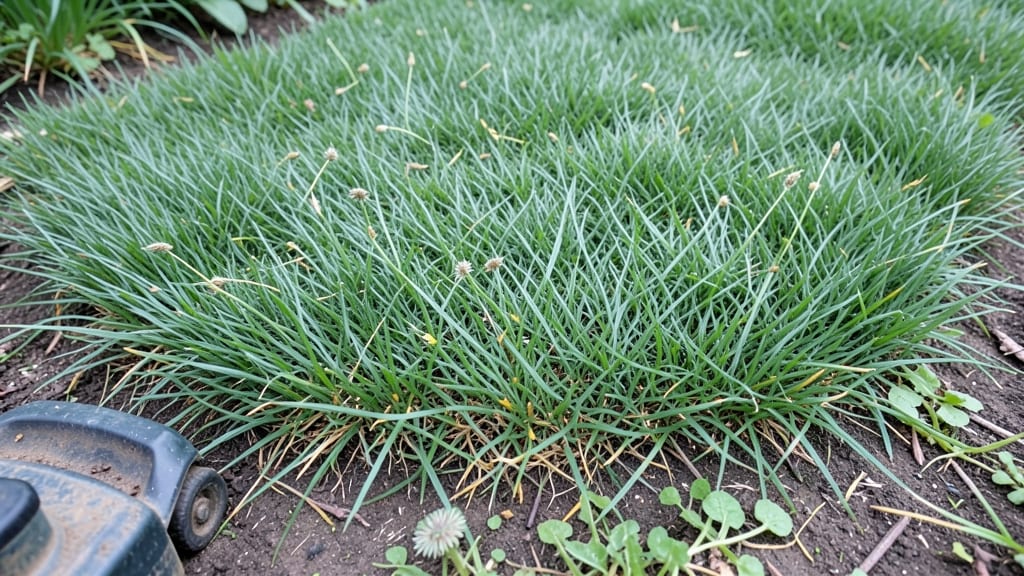
To cut your lawn short properly, adjust mower height based on grass type—cool-season grasses like fescue should stay at 2.5–3.5 inches, while warm-season grasses such as Bermuda thrive at 1–2 inches. Shorter cuts stress grass, weaken roots, and invite weeds unless done seasonally for drought resistance or play areas.
Grass height isn't just about looks—it's about survival. 🌱 Cool-season grasses like Kentucky bluegrass actually develop deeper roots when left taller, while warm-season varieties like Zoysia handle shorter cuts better but still need occasional taller growth to shade out weeds.
The key is never removing more than one-third of the blade height at once, or you risk scalping the grass and exposing soil to weeds. I've seen lawns recover from over-cutting with proper fertilization and watering, but prevention is always easier than repair.
Seasonal adjustments matter too. In spring, grass grows rapidly, so more frequent mowing keeps it tidy without stress. By late summer, you can safely trim shorter for drought tolerance, but avoid cutting below 1 inch—even hardy Bermuda grass struggles below that.
Always use sharp mower blades to prevent tearing grass, which invites disease. A well-maintained lawn isn't just about aesthetics; it's about creating a resilient ecosystem that thrives year-round. ✨
💡 In This Article
- Grass Type and Seasonal Mowing Height Guidelines
- When and How to Safely Cut Lawn Short Without Damaging Grass
Grass type and seasonal mowing height guidelines
Cool-season grasses like tall fescue and Kentucky bluegrass develop their best root systems when maintained at 2.5–3.5 inches—this height allows them to photosynthesize efficiently while building deep roots that reach 6–12 inches underground. The longer blades also provide shade that suppresses weeds and retains soil moisture during summer droughts.
Warm-season grasses, including Bermuda and Zoysia, have different biology: their roots grow more aggressively in heat, so they tolerate 1–2 inch heights without stress. The key difference lies in their growth cycles—cool-season grasses grow best in moderate temperatures (50–75°F), while warm-season varieties thrive in 80–95°F heat.
Seasonal adjustments are critical for grass health. In spring, cool-season grasses grow rapidly—cutting them too short (below 2 inches) can shock the plant and invite fungal diseases like brown patch. Instead, remove only one-third of the blade height per mowing to maintain growth momentum.
For warm-season grasses, the strategy shifts: after summer dormancy, gradually lower mower settings over 4–6 weeks to avoid stressing newly awakening roots.
The blade length also affects drought tolerance—grass cut at 1.5 inches can survive 30% less water than grass at 3 inches, but only if the species is adapted to shorter cuts.
Here's what happens when you cut too short: the grass blades lose their ability to photosynthesize efficiently, weakening the plant's energy reserves. Roots shrink by up to 50% in depth within weeks, making the lawn more vulnerable to heat stress and weeds.
Disease resistance drops too—shorter blades can't protect the crown (where roots meet stems) from sun scorch or fungal spores. That said, there are exceptions: high-traffic areas like sports fields use 0.5–1 inch cuts with specialized grass varieties that recover quickly.
For home lawns, stick to 1.5–2 inches minimum unless using drought-resistant species like Buffalo grass.
The science behind root depth is fascinating. Grass blades act like tiny solar panels, converting sunlight into energy that fuels root growth. When you cut too short, the plant diverts energy to regrow blades instead of strengthening roots.
This is why fescue lawns cut at 3.5 inches can have roots 12 inches deep, while Bermuda cut at 1 inch might only reach 4–6 inches. The trade-off? Shorter cuts reduce mowing frequency but increase water needs unless the grass is drought-tolerant.
For example, Zoysia grass maintains 70% of its drought resistance when cut at 1.5 inches, but fescue loses 40% of its drought tolerance below 2.5 inches.
Consider these seasonal guidelines for optimal health:
- Spring (Cool-Season): Maintain 2.5–3.5 inches—gradually lower height only after 3–4 mowings to avoid shock
- Summer (Warm-Season): Reduce to 1–1.5 inches for drought resistance, but never below 1 inch
- Fall (Cool-Season): Increase to 2.5–3 inches to strengthen roots before winter
- Winter (Dormancy): Leave at 2–3 inches to protect crowns from freeze-thaw cycles
The right height isn't just about appearance—it's about creating the perfect balance between growth, resilience, and maintenance. For most home lawns, a 2–3 inch setting provides the best year-round health, while specialized areas can safely go shorter with proper care. 🌿