
Lawn
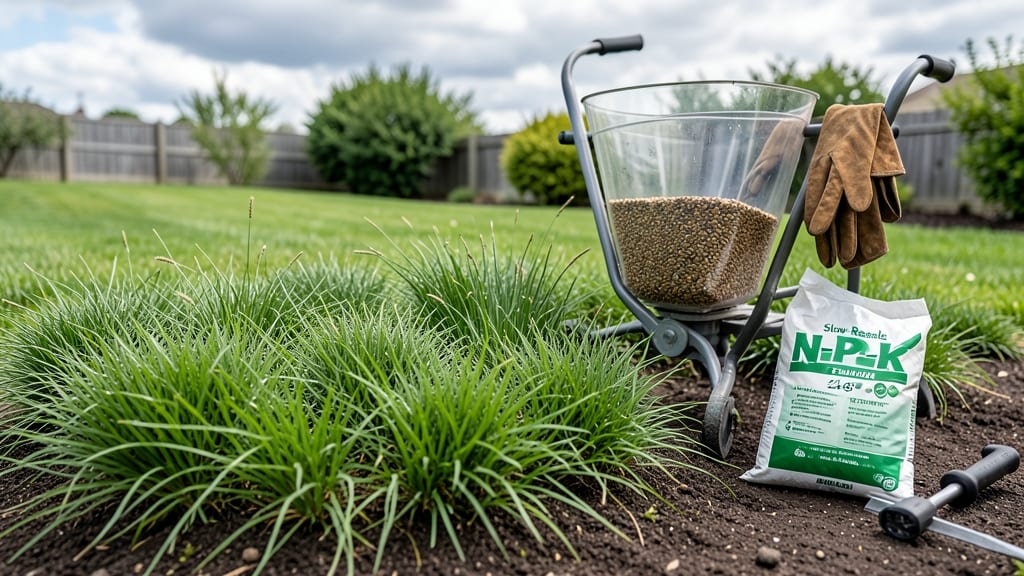
You fertilize your lawn at two key times each year — early spring and fall — to fuel growth when grass is most active, but timing it wrong can leave your 🌱 patchy or even burned.
Picture this: You’ve just spent $50 on fertilizer, spread it carefully, and two weeks later, your lawn looks like a sun-bleached desert. That’s what happens when you fertilize at the wrong time — and it’s not just about missed opportunities, it’s about wasting money and harming your grass.
Most lawns thrive with two main feedings: once in spring, right after the last frost, and again in early fall, about 6-8 weeks before the first frost.
Warm-season grasses (like Bermuda) have a slightly different schedule, but the rule is the same: feed when the grass is growing, not when it’s dormant.
In this guide, I’ll break down the exact months to fertilize based on your grass type, how to spot when your lawn is actually hungry, and the three biggest mistakes that turn fertilizer into lawn killer.
By the end, you’ll know not just when to feed your lawn, but how to do it right.
Optimal lawn fertilization timing by season: spring vs fall schedule breakdown
Timing your lawn fertilization is like scheduling a workout for your grass—do it at the wrong time, and you'll either waste your effort or even cause harm. Spring and fall are the two golden windows for feeding your lawn, but the exact schedule depends on whether you have cool-season or warm-season grass.
Cool-season grasses like Kentucky bluegrass and fescue thrive in milder temperatures, while warm-season types such as Bermuda and Zoysia peak in summer heat. Let's break down the science behind these timings and how to tailor your approach.
Most gardeners focus on spring fertilization to jumpstart growth after winter dormancy, but fall feeding is equally critical. In fact, research shows that fall applications can account for up to 50% of your lawn's annual nutrient needs by strengthening roots before winter.
The key is understanding your grass type's growth cycle and aligning fertilization with its natural rhythms. Let's dive into the month-by-month breakdown that will transform your lawn care routine.
| Season/Month | Cool-Season Grass | Warm-Season Grass | Pre-Emergent Timing |
|---|---|---|---|
| Early Spring (March) | First feeding (high nitrogen) | Light feeding (if needed) | Apply pre-emergent after last frost |
| Late Spring (April-May) | Second feeding (slow-release) | Main feeding (June) | Reapply pre-emergent if needed |
| Summer (June-August) | Light feeding (if growth slows) | Peak feeding (every 6-8 weeks) | None (weeds dormant) |
| Early Fall (September) | Final feeding (high potassium) | Light feeding (if needed) | Apply pre-emergent in late summer |
| Late Fall (October-Nov) | None (dormant period) | None (dormant period) | None (winter weeds) |
For cool-season grasses, the first fertilization should happen as soon as the soil warms to 50°F (10°C) in early spring—typically March or April in most regions. Use a high-nitrogen fertilizer (look for a 24-0-10 ratio) to encourage rapid green-up.
If you're dealing with crabgrass or other weeds, apply pre-emergent herbicide right after your first feeding, but before the soil reaches 55°F (13°C)—this is when weed seeds germinate. Timing is everything here; too early, and the herbicide won't activate; too late, and the weeds will already be established.
Warm-season grasses, on the other hand, don't wake up until soil temperatures hit 60°F (16°C), which usually means late April or May in most climates. Their peak growth occurs in summer months, so fertilization should align with this cycle.
Start with a light feeding in May, then follow up every 6-8 weeks through August. The key is to avoid fertilizing when temperatures exceed 85°F (29°C), as this can burn the grass and stress your lawn.
Instead, opt for slow-release fertilizers that provide steady nutrients without shocking the system.
Fall fertilization is where many gardeners drop the ball, but this is actually the most critical time for long-term lawn health. For cool-season grasses, aim to feed in early September with a high-potassium fertilizer (look for a 10-0-20 ratio).
This helps strengthen roots and prepares the grass to withstand winter stresses. Warm-season grasses, however, should get their last feeding in late summer (August) to encourage root growth before they go dormant. Skip any fertilization after the first frost, as grass won't absorb nutrients when it's inactive.
One common mistake is assuming a one-size-fits-all approach works for all lawns. Your local climate plays a huge role—northern regions with USDA Zone 4-5 may need to adjust timings earlier in the year, while southern zones (Zone 7-10) can extend fall feeding into October.
Always check your last frost date and adjust accordingly. Pro tip: If you're unsure about your grass type, do a simple soil test ($20 at garden centers) to determine pH and nutrient levels before applying fertilizer. This ensures you're not wasting money on nutrients your lawn doesn't need.
Pre-emergent herbicides are another game-changer for weed control, but their timing is just as critical as fertilization. For cool-season lawns, apply pre-emergent in early spring (March) to prevent crabgrass and other summer weeds. In warm-season lawns, the window is narrower—apply in late winter (February) before weeds germinate.
Remember, pre-emergent only works on weeds that haven't sprouted yet, so don't wait until you see weeds popping up. Also, avoid applying pre-emergent if rain is forecasted within 48 hours, as it needs to bind to the soil surface to work effectively.
Let's talk about watering after fertilization, because this step makes or breaks your results. Always water your lawn lightly within 24 hours of applying fertilizer to help activate the nutrients.
Then, give it a deep watering (1 inch) over the next 2-3 days to wash the fertilizer into the soil. Avoid overwatering, though—this can lead to nutrient runoff
Signs your lawn needs fertilizer: how to diagnose nutrient deficiencies
Your lawn is like a silent conversation—it tells you exactly what it needs, if you know how to listen. Yellowing patches, thin spots, or slow recovery after mowing are all cries for help.
These visual cues often signal nutrient deficiencies, particularly nitrogen, phosphorus, or potassium. Before reaching for that fertilizer bag, I always check for these key warning signs to avoid overdoing it.
One of the first things I notice is uneven color. Healthy grass should be a vibrant green, but dull or yellowish-green blades often mean nitrogen deficiency—the primary nutrient for growth.
If you spot purplish or reddish hues, it could indicate phosphorus deficiency, which affects root development. Don’t ignore these clues—they’re your lawn’s way of telling you it’s hungry!
- 🌱 Yellowing Grass
Pale or yellow patches mean nitrogen deficiency—time to feed! - 🌿 Thin or Patchy Areas
Bare spots or sparse growth signal poor soil health or compacted soil. - 📉 Slow Growth or Weak Recovery
If grass struggles to bounce back after mowing, it’s starving for nutrients. - 🔍 Soil Test Results
A soil test reveals exact deficiencies—critical for targeted fertilization. - 🌡️ Temperature Sensitivity
Grass that wilts in heat or recovers slowly from frost needs extra nutrients.
Don’t wait until your lawn is stressed beyond repair—act fast when you spot these signs. I recommend soil testing first, as it pinpoints exactly what your lawn lacks. For example, a soil test might show low phosphorus levels, which would explain why your grass struggles to establish strong roots.
Without this step, you risk wasting money on the wrong fertilizer or even burning your lawn with overapplication.
Another red flag is increased weed presence, especially broadleaf weeds like clover or dandelions. Weeds thrive in nutrient-poor soil, so their sudden appearance often means your grass isn’t getting the support it needs.
If you’ve been watering consistently but still see weeds taking over, it’s a clear sign to replenish nutrients with a balanced fertilizer.
Timing matters just as much as the fertilizer itself. If your lawn shows signs of deficiency in late summer, hold off until early fall—applying fertilizer too close to winter can encourage weak, frost-sensitive growth.
Conversely, if you notice issues in early spring, that’s your cue to feed right after the last frost. Always match the fertilizer type to the season and your grass type.
Remember, a healthy lawn isn’t just about looks—it’s about resilience. By paying attention to these nutrient deficiency signs and acting promptly, you’ll keep your grass lush, green, and ready to handle whatever Mother Nature throws its way.
Start with a soil test, then choose your fertilizer wisely for the best results.