
Lawn
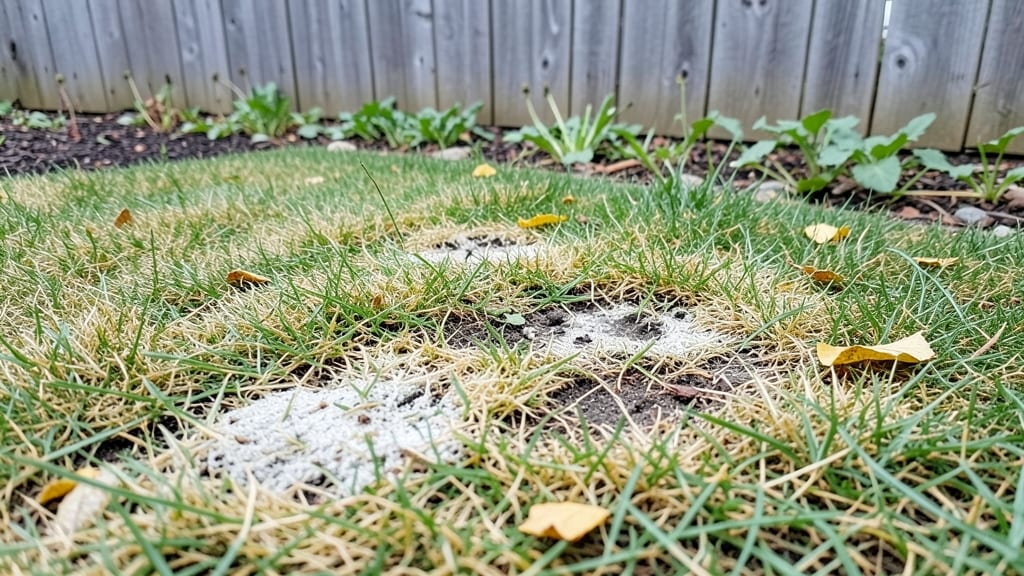
That yellow ring of death from your dog’s pee spots won’t stand a chance with these tricks. 🌱 I’ve watched lawns go from patchy and sad to lush and green again after just a few weeks of targeted care—no harsh chemicals needed.
The secret lies in diluting the damage, feeding the grass right, and giving it the recovery boost it deserves.
Here’s the thing—pee spots burn grass because of the high nitrogen concentration, but you can outsmart it. Start by watering heavily right after your dog goes (yes, really), then overseed the bare patches with shade-tolerant grass like fine fescue.
A light layer of compost in the thin spots helps too—it’s like giving your lawn a vitamin shot. Most people skip this step, but it makes all the difference.
By the time summer rolls around, those spots will be nothing but memory. The grass grows back thicker, the color deepens to that rich green, and your lawn starts looking like the envy of the neighborhood.
The best part? This method works for any grass type, from Kentucky bluegrass to Bermuda, and keeps your yard safe for pets too.
Now, don’t wait until the damage spreads—start today, and in 4-6 weeks, you’ll have a lawn that’s stain-free and thriving. The key is consistency, not perfection. Even if you miss a spot, the grass will bounce back faster than you’d expect.
The Hidden Causes Behind Lawn Stains
Those stubborn, yellowish pee spots on lawns aren’t just an eyesore—they’re a chemical reaction waiting to happen. Understanding why they form is the first step to preventing them. Below, we break down the science behind the problem, so you can tackle it head-on with confidence.
🧬 Chemical Composition of Urine
Urine is primarily made up of water, urea, and uric acid, but it also contains small amounts of salts, minerals, and enzymes. When urine hits your lawn, the urea (a nitrogen-rich compound) breaks down into ammonia (NH₃) through a process called ureolysis.
This ammonia is highly alkaline (pH 8.0–9.0), which means it raises the pH of the soil in the affected area.
Here’s what happens next:
- Alkaline Shock: The sudden pH spike disrupts the natural acidity of the soil (ideal grass pH: 6.0–7.0), burning grass blades and halting photosynthesis.
- Nutrient Imbalance: While urea provides nitrogen (a grass fertilizer), the ammonia burn from rapid breakdown overpowers the grass’s ability to absorb it, leading to dead patches.
- Mineral Buildup: Over time, repeated urination leaves behind concentrated calcium, magnesium, and phosphate deposits, which further stress the grass.
💡 Pro Tip: If you’ve got pets or kids who frequent the same spots, the soil may already be saturated with these minerals—making recovery harder. Test your lawn’s pH to confirm!
🌱 Grass Type and Vulnerability
Not all grass is created equal. Some varieties are more resilient to urine damage than others, thanks to their natural tolerance for alkaline conditions and thick root systems. Here’s how grass type plays a role:
| Grass Type | Urine Tolerance | Why It’s Affected (or Not) |
|---|---|---|
| Bermuda Grass | ⭐⭐⭐⭐ (High) | Fast-growing and drought-resistant; recovers quickly from minor burns. |
| Kentucky Bluegrass | ⭐⭐ (Moderate) | Thick roots but sensitive to pH spikes; may develop yellow patches if over-exposed. |
| Fescue Grass | ⭐⭐⭐ (Moderate-High) | Deep roots help dilute urine effects, but still prone to browning in high-traffic areas. |
| St. Augustinegrass | ⭐ (Low) | Shallow roots and thin blades make it highly susceptible to ammonia burn. |
✨ Actionable Fix: If your lawn is mostly St. Augustinegrass or Kentucky Bluegrass, consider overseeding with bermuda or fescue in high-risk zones for better resilience.
🌦️ Weather and Soil Conditions
Urine damage isn’t just about what’s in the pee—it’s also about how quickly it’s absorbed by your lawn. Weather and soil type turn a minor incident into a major stain:
- Dry, Compacted Soil: Hard or clay-heavy soil prevents urine from draining, concentrating ammonia and minerals at the surface. The grass has no escape!
- Hot, Sunny Days: Ammonia burns grass faster in direct sunlight because the heat accelerates the chemical reaction. Ever notice pee spots worsening mid-summer?
- Heavy Rain or Overwatering: While water dilutes urine, excessive moisture can leach nutrients from the soil, weakening grass recovery.
- Poor Drainage: Low-lying or poorly aerated lawns trap urine, turning spots into long-term dead zones.
🌡️ Science Note: The ideal soil temperature for grass recovery is 60–75°F. If your lawn is scorching hot (above 85°F), urine damage will linger longer.
🔥 Quick Fix: After a pee incident, lightly water the area to dilute ammonia—but avoid soaking it. Aim for ¼ inch of water to help the grass absorb nutrients without suffocating it.
🐕 Pet and Human Frequency
The more often urine hits the same spot, the worse the damage. Here’s why repetition turns stains into permanent problems:
- Salt Buildup: Each urination layer adds minerals that crystallize in the soil over time, creating a salty crust that repels water and chokes roots.
- Root Death: Repeated ammonia exposure kills root tips, preventing the grass from anchoring properly. Think of it like chemical root pruning.
- Fungal Invitation: Dead grass patches become prime real estate for lawn fungi (like brown patch disease), which thrive in nutrient-deprived, alkaline soil.
📊 Data Point: Studies show that dogs urinating in the same spot 3+ times per day can kill grass within 2–4 weeks if no intervention occurs.
🎯 Prevention Tip: Train pets to urinate in designated gravel or mulch areas (like near a flower bed) to break the cycle. For kids, encourage them to pee in sandy patches where drainage is better.
Fixing and Preventing Lawn Stains
Now that you know why those pesky pee spots appear, let’s tackle them head-on with practical, natural solutions. Whether your lawn is suffering from dog urine damage, pet accidents, or even human mishaps, these fixes will help restore your grass—and keep future stains at bay.
🔥 Quick Fixes for Fresh Stains
If you catch the problem early, you can often reverse the damage before it sets in.
💦 Dilute the Spot Immediately
The faster you act, the better your chances of saving the grass.
- Mix 1 part white vinegar with 3 parts water in a spray bottle.
- Lightly mist the affected area (don’t oversaturate).
- Rinse with clean water after 10 minutes to neutralize the acidity.
🌱 Overseed the Bare Patch
If the grass is already dead, give it a fresh start.
- Scrape away dead grass with a small rake or putty knife.
- Loosen the soil slightly to help seeds take root.
- Sprinkle grass seed (choose a shade-tolerant variety if needed).
- Cover lightly with soil and water gently.
🌿 Long-Term Solutions for Stubborn Spots
If the stain is deep-seated, you’ll need a multi-step approach.
🍃 Neutralize Acid with Baking Soda
Pet urine is highly acidic—baking soda helps balance the pH.
- Sprinkle baking soda over the spot (about ½ cup per square foot).
- Water thoroughly to dissolve it into the soil.
- Repeat weekly until the grass regrows.
🌱 Fertilize for Recovery
Weak grass is more susceptible to stains. Give it a nutrient boost:
- Use a slow-release, organic fertilizer (like compost or fish emulsion).
- Follow package instructions for application rates.
- Water deeply after fertilizing to help nutrients absorb.
💡 Pro Tip: Train Your Pets
Prevention is the best cure! If dogs are the culprit:
- Take them for frequent potty breaks after meals or playtime.
- Train them to pee on a designated patch (like a gravel area) and reward good behavior.
- Use pet-safe urine-neutralizing sprays (like Nature’s Miracle) between training sessions.
🛡️ Prevention Tips for a Stain-Free Lawn
Once your lawn is back in shape, keep it that way with these easy habits.
✨ Keep Grass Healthy & Thick
- Mow high (3–4 inches) to shade the soil and reduce evaporation.
- Water deeply but infrequently (1–1.5 inches per week) to encourage deep roots.
- Aerate annually to improve soil drainage and reduce compaction.
🌡️ Monitor High-Traffic Areas
- Place pee pads or artificial turf in problem spots.
- Rinse the area immediately after accidents with clean water.
- Use a lawn-friendly urine neutralizer (like hydrogen peroxide) for quick cleanup.
🎯 Choose the Right Grass
Some grasses handle urine better than others:
- Tall fescue & Kentucky bluegrass are more resilient.
- Clover or creeping thyme can replace high-traffic areas naturally.
With these natural, effective fixes, your lawn can bounce back—stain-free and lush! 🌿✨ Whether you’re dealing with pet urine stains or just the occasional mishap, consistency is key. Try one method at a time, and soon your grass will be as happy as your pets (or kids!).
Frequently asked questions
Why do some grass types recover faster from pee spots than others?
Grass varieties like bermuda and fescue have deeper roots and better alkaline tolerance, so they bounce back quicker. Shallow-rooted types like St. Augustinegrass struggle because ammonia burns their roots faster. For high-traffic areas, overseeding with tall fescue adds resilience.
Can I use household items like vinegar or baking soda to fix pee stains?
For fresh stains, mix 1 part white vinegar with 3 parts water to dilute ammonia, then rinse. For stubborn spots, sprinkle ½ cup baking soda per square foot and water thoroughly. Both neutralize pH safely—just avoid over-saturating the soil.
How long does it take for grass to regrow after urine damage?
With immediate care (watering + overseeding), recovery takes 4-6 weeks. If the spot is severe, it may take 8-12 weeks for new grass to fully fill in. Consistency is key—keep the area moist but not soggy during regrowth.
Will my dog’s urine eventually kill my lawn if I don’t treat the spots?
Yes, repeated urination in the same spot can create permanent dead zones within 2-4 weeks due to salt buildup and root damage. Train your dog to use a designated gravel area or mulch patch to break the cycle. Even a 1-inch layer of gravel can save your lawn!
Can I use chemical fertilizers to fix pee spots?
Chemical fertilizers can worsen the problem by increasing soil alkalinity further. Stick to organic options like compost or fish emulsion to restore balance. If you must use synthetic fertilizer, apply it away from urine spots and water thoroughly afterward.