
Plants
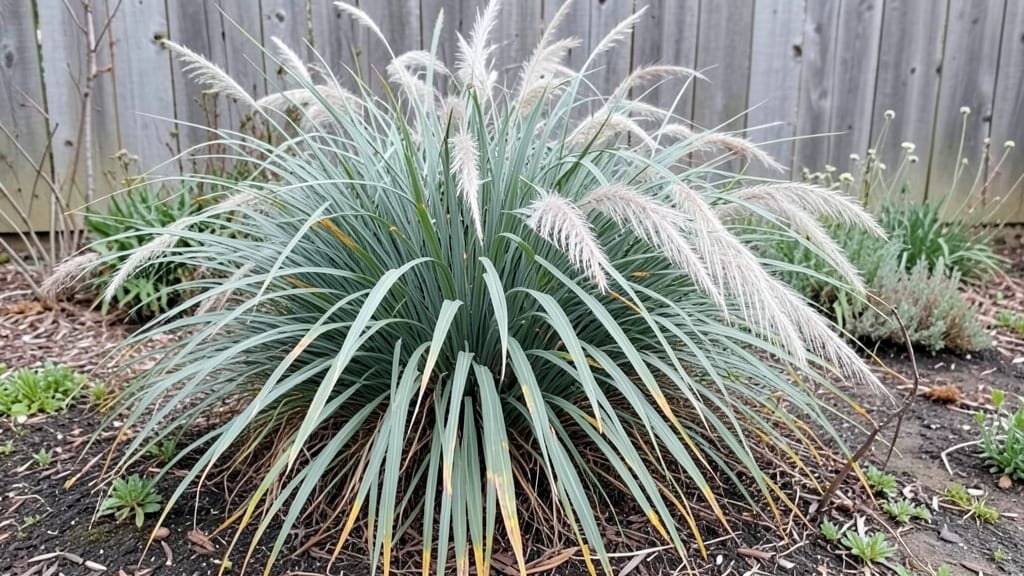
Transforming your landscape with pampas ornamental grass 🌿 means adding towering elegance that thrives on neglect—silver plumes that sway year-round and demand almost no effort.
Imagine a landscape that stands out with dramatic plumes and effortless elegance—no matter the season. Pampas grass delivers exactly that, turning ordinary gardens into striking visual masterpieces with minimal upkeep.
This drought-resistant beauty thrives in USDA Zone 6a and beyond, making it perfect for modern or naturalistic designs. Whether you're planting in spring after the last frost or early fall, its bold texture becomes the focal point of any outdoor space.
From borders to focal points, I’ll show you how to plant, care for, and style pampas grass so it becomes the standout feature of your garden—with less work than you’d expect.
Why pampas grass stands out: key features and benefits for landscaping
When I think about dramatic landscaping plants, pampas ornamental grass immediately comes to mind. Its silver-white plumes create a stunning visual impact that rivals any flowering plant, yet it requires far less maintenance.
Unlike seasonal blooms that fade, pampas grass delivers year-round structure and texture, making it a landscape designer's secret weapon. The way it sways in the breeze adds movement to any outdoor space, transforming static gardens into dynamic art.
What truly sets pampas grass apart is its unmatched versatility. Whether you're designing a modern minimalist garden, a naturalistic meadow, or a coastal-themed landscape, this grass adapts beautifully. Its architectural form works as a standalone focal point or when planted in dramatic groupings.
The best part? It thrives in harsh conditions where other plants struggle, making it perfect for drought-prone areas or high-wind zones near coastlines.
The silver-white plumes of pampas grass create a soft, ethereal look that contrasts beautifully with dark foliage or bold architectural elements. In my own garden, I've used it to frame entryways and soften modern hardscapes.
The plumes appear in late summer and persist through fall, providing winter interest when most gardens look bare. Even when not in bloom, the arching foliage adds texture and movement to the landscape.
One of the most impressive features is its drought resistance. Once established, pampas grass requires minimal watering, making it perfect for water-wise gardens and xeriscapes. I've seen it thrive in full sun desert landscapes where other plants wither.
This hardiness extends to its wind tolerance, which is why it's so popular in coastal gardens where salty breezes would damage many plants. The deep root system also helps prevent soil erosion on slopes or near water features.
For those concerned about invasiveness, modern cultivars like 'Rosy Veil' and 'Silver Frost' are sterile and won't spread aggressively. These varieties maintain the dramatic plumes while being safer for gardens.
I always recommend checking with your local nursery to ensure you're planting a non-invasive cultivar, especially if you're in a warm climate where it can naturalize more easily.
The year-round appeal of pampas grass is what truly makes it a landscape superstar. While other plants may have seasonal limitations, this grass provides structure and interest in every season.
In spring, the fresh green growth emerges, summer brings the showstopping plumes, fall offers golden hues, and winter reveals the arching silhouettes against snow. It's this four-season presence that makes it such a valuable addition to any landscape design.
Another standout benefit is its low-maintenance nature. Unlike many ornamental grasses that require frequent division or heavy pruning, pampas grass only needs light trimming in late winter to remove dead foliage. I've had the same clumps thriving for over a decade with minimal care.
This makes it ideal for busy gardeners who want high impact with low effort. The only real maintenance task is removing spent plumes in early spring to encourage new growth.
If you're looking to create a modern, sculptural look, pampas grass is an excellent choice. Its tall, upright habit works beautifully in contemporary gardens, while its natural, airy plumes soften more traditional designs.
I've seen it used successfully in urban courtyards, mediterranean-style gardens, and even as living room dividers. The key is to give it space to grow—its mature size means it should be planted where it won't be crowded by other elements.
For those in cooler climates, don't let the USDA zone recommendations discourage you. While it's hardy to zone
How to plant and care for pampas grass: a step-by-step guide for beginners
Pampas grass (Cortaderia selloana) is one of the most striking ornamental grasses you can add to your landscape, but its success depends on proper planting and ongoing care. Unlike fussy annuals, this drought-tolerant beauty thrives with minimal fuss once established.
The key lies in choosing the right conditions and following a few simple seasonal routines. Whether you're planting a single specimen or creating a dramatic border, these steps will help you achieve those signature silver-white plumes that dance in the breeze year after year.
Before diving into the process, remember that pampas grass is a fast grower that can reach heights of 8-15 feet at maturity. This means careful planning is essential—especially regarding spacing and wind exposure.
With the right approach, you'll enjoy its year-round visual interest with almost no maintenance. Let's get started with the essential planting and care steps.
Choose the Perfect Location
Select a spot with full sun exposure (6+ hours daily) and well-draining soil. Pampas grass tolerates poor soil but thrives in sandy or loamy mixes. Avoid low-lying areas where water pools—this grass hates soggy roots.
Prepare the Soil
Test your soil's drainage by digging a 12-inch hole and filling it with water. If it drains in under 2 hours, your soil is ideal. Amend heavy clay with compost or sand to improve aeration. A pH of 6.0-7.5 is perfect—no adjustments are usually needed.
Plant at the Right Time
Plant in early spring (after last frost) or early fall for best results. Dig a hole twice as wide as the root ball but only as deep. Space plants 6-10 feet apart to allow for mature growth and airflow.
Water Deeply After Planting
Give your pampas grass a thorough watering to settle the soil and encourage root growth. After that, water deeply but infrequently—about once a week for the first month. Once established, it needs only occasional watering (every 2-3 weeks in dry spells).
Apply Mulch for Protection
Spread a 2-3 inch layer of mulch around the base (but not touching the crown) to retain moisture and suppress weeds. Use organic mulch like wood chips or gravel. This also helps regulate soil temperature in extreme climates.
Fertilize Lightly in Spring
Feed with a balanced fertilizer (10-10-10) in early spring to encourage new growth. Use only ½ cup per plant—over-fertilizing can harm this low-maintenance grass. Skip fertilization in summer and winter when growth slows.
Prune for Shape and Health
Cut back dead or damaged foliage in late winter or early spring before new growth appears. For a neater look, trim the plumes after they fade in fall or winter. Avoid heavy pruning—this grass thrives with a natural, wild appearance.
Once your pampas grass is planted, its care becomes remarkably simple. Focus on watering deeply but infrequently and avoiding over-fertilization. This grass is drought-tolerant once established, making it perfect for low-water landscapes.
In colder climates (below USDA Zone 7), protect young plants with mulch or burlap wraps during winter.
With its dramatic plumes and year-round interest