
Lawn
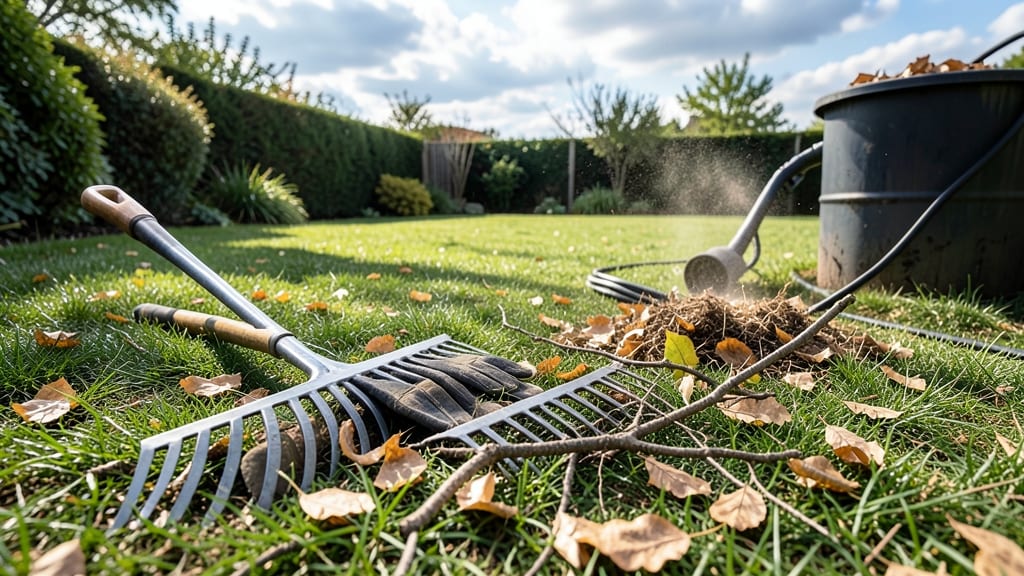
Spring lawn cleanup isn’t just about clearing debris—it’s the foundation for year-round lushness that makes neighbors stop and stare. 🌱 I’ve spent too many springs watching my lawn recover from winter damage, only to realize I skipped the critical first steps that actually matter.
The difference between a patchy yard and a vibrant green carpet starts with what you do (and don’t do) in these first few weeks. You’ll need basic tools: a rake, leaf blower, sharp mower blade, and maybe a core aerator if your soil feels like concrete.
Timing is everything—wait until soil temps hit 55°F before seeding or fertilizing, or you’ll waste money on seeds that rot or fertilizer that burns. Regional tweaks matter too: Southern lawns wake up earlier than Northern ones, so adjust your schedule.
What you’ll end up with is a lawn that stays thick, green, and resilient through summer heat and winter freeze. No more bare spots, no more struggling to keep up with the neighbors—just consistent, low-maintenance beauty that actually thrives. The secret? Working with nature, not against it.
Here’s the kicker: most people overcomplicate this. Skip the fancy gadgets and focus on the three core tasks—clearing debris, mowing high, and feeding the soil—then let the grass do the rest. Ready to transform that winter-browned mess into something show-stopping?
📚 In This Guide
- What you need
- Instructions
- Tips and common mistakes
- Wrapping up and next steps
What you need
- ● Lawn rake: A sturdy bow rake (4-5 teeth, 24-30" wide) for debris removal or a plastic leaf rake (18-24" wide) for lighter cleanup.
- ● Garden gloves: Heavy-duty, waterproof gloves (size medium/large) to protect your hands from thorns and rough edges.
- ● Trimmer or edger: A cordless string trimmer (20V+ battery) or a manual edger for precise border work.
- ● Lawn bag or tarp: A heavy-duty lawn bag (30+ gallon capacity) or a waterproof tarp (10’x12’+) to collect debris.
- ● Pruners: Bypass pruners (for clean cuts) or hedge shears (for shrubs/edges, 6-8" blades).
- ● Wheelbarrow: A 1-2 cubic foot wheelbarrow for hauling heavy debris or compost.
- ○ Knee pads: Optional but highly recommended for comfort during long sessions.
- ● Leaf blower: Electric or gas-powered (120V+ or 50cc+ engine) for quick debris removal.
- ● Soil aerator: Manual or spike aerator (for compacted lawns, 1/4"-1/2" tines).
- ● Compost bin: A small tote or bin to collect grass clippings for mulching.
- ● Safety gear: Sunglasses, ear protection (if using loud tools), and closed-toe shoes.
- ● Hose & nozzle: A spray nozzle (adjustable for rinsing tools or wetting soil).
Step-by-step instructions for spring lawn cleanup
Here's how I transform my lawn from winter's leftover mess into a vibrant, healthy foundation for summer.
🪴 Step 1: Clear Debris and Inspect Your Lawn
Start by removing all winter debris—leaves, branches, and thatch—using a stiff rake or leaf blower. I work in sections, moving from the edges inward to avoid missing spots. Look for bare patches where grass failed to overwinter; these spots will need special attention later. If you see mushrooms, don't panic—they're just decomposing organic matter, but remove them to prevent spreading.
Next, inspect the lawn for signs of pests or disease. Look for brown patches, thin spots, or unusual discoloration. I like to walk the entire area barefoot (yes, really) to feel for spongy spots that indicate fungal issues or compacted soil. Mark problem areas with flags so you can address them systematically after cleanup.
✂️ Step 2: Dethatch and Aerate Strategically
Use a dethatching rake or power rake to remove thatch buildup—anything over ½ inch thick will smother roots. I focus on high-traffic areas first, where thatch accumulates fastest. The goal is to expose the soil surface without tearing up grass. For compacted soil, rent a core aerator and work in overlapping passes. You'll see ¼- to ½-inch diameter plugs being pulled from the ground—that's exactly what you want.
After aerating, spread a thin layer of compost or topsoil over the entire area to fill the holes and improve soil structure. I use a broadcast spreader for even coverage, then lightly rake it in. This step is crucial for reviving tired lawns—it adds organic matter without smothering existing grass.
💧 Step 3: Mow Correctly for Seasonal Health
Set your mower blade to 3-4 inches high—this height encourages deep root growth and drought resistance. Never remove more than ⅓ of the grass blade in one mowing. I start by mowing perpendicular to the previous cut to stand up any bent grass blades, then follow up with a second pass in the original direction. Collect all clippings—they can smother new growth if left to mat.
Pay special attention to edges and slopes. Use a string trimmer with care—going too fast can tear grass or leave uneven lines. For steep areas, consider a manual edger to create clean borders without damaging plants. After mowing, water deeply (about 1 inch) to help roots establish in the freshly aerated soil.
☀️ Step 4: Fertilize and Seed Bare Spots
Apply a slow-release, spring-specific fertilizer (look for one with equal nitrogen, phosphorus, and potassium ratios). I use a spreader set to the recommended rate, then water immediately to activate the granules. For bare patches, spread grass seed directly over the area, then cover lightly with a thin layer of soil or straw. Keep this spot consistently moist (not soggy) for the next 2-3 weeks—that's how you get the best germination.
If you're overseeding the entire lawn, use a slit seeder for best results. Walk slowly, keeping the seeder at a steady pace to ensure even coverage. After seeding, apply a light mulch (like straw) to protect seeds from drying out or bird damage. Water gently twice daily until new grass reaches 2-3 inches tall.
Tips & tricks for perfect spring lawn cleanup
Real talk: Skipping these details is how you end up with patchy grass or wasted effort. Here's what nobody tells you—
Timing is Everything: Don't rush the cleanup! Early spring (when soil temps reach 50°F) is ideal because grass grows fastest then. If you start too early, you'll disturb dormant grass roots. I wait until forsythia bushes bloom—nature's perfect green light to begin. For northern climates, aim for mid-April; southern areas can start as early as February. The key is warm soil, not warm air.
Tool Selection Matters: Renting a core aerator is worth the investment if your lawn has heavy foot traffic. The ¼- to ½-inch diameter plugs you pull create direct pathways for water, air, and nutrients—think of them as tiny root tunnels. For thatch removal, a power rake works better than a regular rake because it's designed to penetrate deeper without tearing grass. I've seen homeowners waste hours with hand rakes when a rented power tool would've done the job in minutes.
Post-Mowing Strategy: After mowing, resist the urge to water immediately. Wait 24-48 hours to let the grass blades recover from the cut. When you do water, go deep—1 inch is ideal—to encourage roots to grow downward. I set a rain gauge or use a tuna can to measure water depth, which helps avoid overwatering. Shallow watering creates weak, shallow roots that need frequent hydration.
Seedling Care: When you're keeping those bare patches consistently moist for 2-3 weeks, use a sprinkler with fine mist settings rather than a heavy downpour. I've seen seeds wash away or drown when water pressure is too strong. A light mulch of straw helps retain moisture while protecting new seedlings from birds. Think of it like creating a mini greenhouse effect right on your lawn.
Pro Tips for Spring Lawn Cleanup
- Real talk: Skipping these details is how you end up with patchy grass or wasted effort. Here's what nobody tells you—
- Timing is Everything: Don't rush the cleanup!
- Tool Selection Matters: Renting a core aerator is worth the investment if your lawn has heavy foot traffic.
Frequently asked questions
Got questions about spring lawn cleanup? You’re not alone! Here are some of the most common concerns—plus quick, actionable answers to keep your grass thriving all season.
When is the best time to start spring lawn cleanup?
The ideal window is late winter to early spring (typically February–April, depending on your climate). Wait until the soil is workable but not frozen—this usually means after the last hard frost. Early cleanup prevents weeds from taking over and gives your lawn a head start for summer.
Should I bag or mulch my grass clippings?
For most lawns, mulching is better! Grass clippings decompose quickly, returning nitrogen to the soil (free fertilizer!). Only bag if your grass is diseased or you’re dealing with thick clumps. A sharp mower blade ensures clean cuts that mulch well.
Can I use a weed trimmer instead of a lawnmower for cleanup?
Weed trimmers are great for edges and tight spots, but they’re not a replacement for a mower. Trim around trees, sidewalks, and flower beds first, then use a mower for the bulk of the lawn. A trimmer’s thin blade can also damage grass if overused.
What do I do if I find grubs or pests during cleanup?
If you spot white grubs, chinch bugs, or other pests, act fast! Rake up affected areas, then treat with an organic nematicide (like beneficial nematodes) or a chemical pesticide (follow label instructions). Aerate your lawn afterward to help recovery.
How do I clean up my lawn if rain is in the forecast?
Work in short bursts during dry spells—even 30 minutes of cleanup on a sunny morning helps. If rain interrupts, cover equipment and store clippings in a compost bin. Avoid mowing soggy grass (it clumps and tears blades). Check the 10-day forecast and prioritize tasks accordingly.
Pro Tip:
Use a lawn calculator (many are free online) to estimate how much seed, fertilizer, or topsoil you’ll need for repairs. Overestimating wastes money; underestimating means extra trips to the store!
Wrapping up and next steps
Spring lawn cleanup is your secret weapon for a vibrant, healthy lawn all year long—and you’ve got the know-how to make it happen!
By tackling debris, sharpening your mowing technique, and staying consistent with seasonal care, you’re setting your yard up for success. Think of it as a fresh start for your outdoor space!
Ready to see those results? Grab your tools, roll up your sleeves, and schedule your first session this weekend. Your future lawn will thank you—and so will your neighbors! 🌱✨