
Lawn
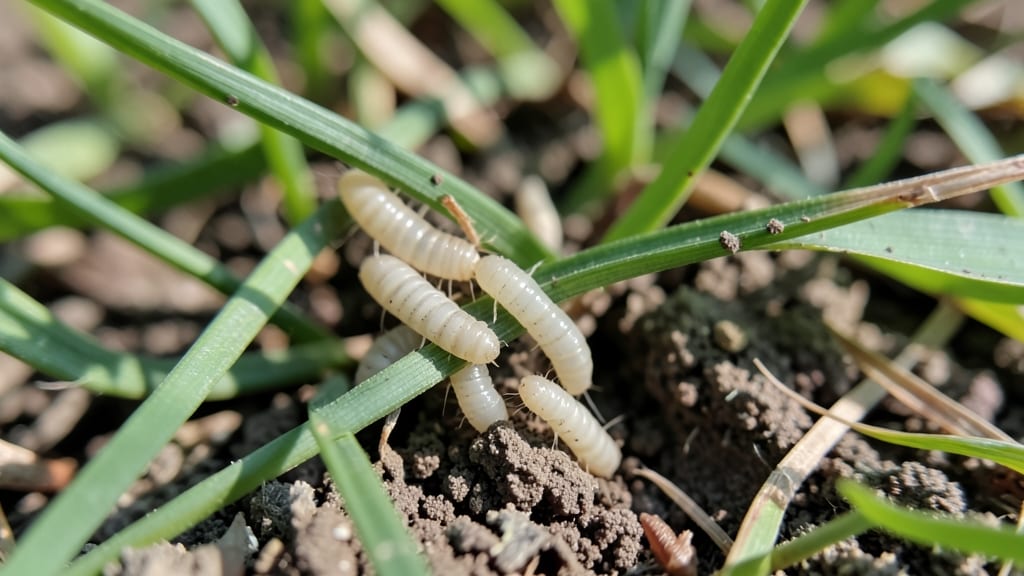
Maggots in grass aren’t just an eyesore—they’re a sign your lawn’s struggling beneath the surface. I’ve pulled up sod only to find wriggling grubs, and let me tell you, the damage spreads fast if you don’t act.
The good news? You can revive your lawn naturally, without harsh chemicals, and see real improvement within 72 hours of the right treatment.
These squirming larvae—usually crane fly or beetle grubs—thrive when lawns get too wet, have too much thatch, or lack proper aeration. Overwatering, thick layers of organic debris, and compacted soil create the perfect buffet for them.
The key to stopping them is breaking their cycle: reduce moisture stress, improve drainage, and introduce their natural predators like nematodes or birds.
Start by mowing high to shade the soil and reduce moisture loss, then apply a mix of beneficial nematodes and milky spore for long-term control. Within days, you’ll notice fewer maggots and healthier grass roots pushing through. The lawn won’t just look better—it’ll stay resilient against future infestations.
This works best in spring or fall when grubs are most active, but even summer damage can heal with consistent care. The secret? Acting fast and treating the soil, not just the surface. Let’s get your lawn back to thick and green in no time.
Why it happens
If you’ve spotted wriggling maggots in your grass, don’t panic—these creepy crawlers are usually a sign of a deeper issue rather than a standalone problem. Understanding why they appear is the first step to reclaiming your lawn.
Below, we break down the most common causes, from environmental factors to hidden pests, with clear explanations and actionable insights.
🌱 Overwatered or Poorly Drained Soil
Maggots thrive in damp, oxygen-deprived soil—conditions often created by overwatering or poor drainage. When grass roots suffocate, they weaken, making the lawn an easy target for fly larvae (like house fly or soldier fly maggots).
These flies lay eggs in moist soil, and within days, your lawn becomes a maggot buffet.
- How it happens: Excess moisture (from rain, sprinklers, or compacted soil) creates the perfect breeding ground.
- Signs to watch for: Soggy patches, mushrooms, or a foul odor (like rotting organic matter).
- Quick fix: Test soil drainage by digging a 6-inch hole—if water pools after 6 hours, improve drainage with sand or aeration.
🐛 Grub Infestations: The Silent Lawn Saboteurs
The most notorious culprits behind maggots are grubs, the larvae of beetles like Japanese beetles or June bugs. Female beetles lay eggs in warm, grassy soil, and within weeks, grubs hatch—feasting on roots and leaving behind a lawn that pulls up like a rug.
Key triggers:
- Warm, moist soil (ideal for egg-laying, typically spring/fall).
- Thatch buildup (grubs hide in the spongy layer between grass and soil).
- Weak or stressed grass (easier for grubs to devour).
How to confirm: Dig up a small patch of sod—if you see white, C-shaped grubs, you’ve found the problem. A healthy lawn should have minimal grubs; more than 5–10 per square foot signals an infestation.
🍄 Organic Debris and Thatched Grass
Dead grass clippings, leaves, and other organic matter create a thick layer of thatch—an ideal hiding spot for maggots and a buffet for fungi. This debris traps moisture, accelerates decomposition, and attracts flies seeking a place to lay eggs.
- Why it matters: Thatch thicker than ½ inch blocks airflow and water, stressing grass roots and inviting pests.
- Red flags: Spongy turf, slow water absorption, or a lawn that smells musty when dry.
- Solution: Dethatch in early spring or fall using a rake or verticutter, then overseed to restore density.
🌡️ Seasonal Swings and Climate
Maggots are opportunistic—peak activity aligns with warm, humid weather (typically late spring to early fall). Cool, dry spells slow them down, but sudden rain or heatwaves can trigger a maggot explosion.
| Season | Maggot Risk | Why |
|---|---|---|
| Spring | Moderate to High | Soil warms up, encouraging fly activity and egg-laying. |
| Summer | High (if humid) | Heat + moisture = faster larval growth. Drought-stressed grass is easier to digest. |
| Fall | Moderate | Cooler temps slow grubs, but late-season rains can revive activity. |
| Winter | Low | Cold soil halts maggot development, but eggs may survive to hatch in spring. |
Pro tip: Monitor your lawn after heavy rain—maggot outbreaks often spike 3–5 days post-downpour.
🌿 Nutrient Deficiencies and Weak Grass
Grass starved for nitrogen, phosphorus, or potassium is vulnerable to maggot attacks. Weak roots can’t fend off larvae, and thin patches create easy access for flies. Even minor deficiencies (like yellowing blades) signal stress, making your lawn a magnet for pests.
- Common deficiencies:
- Nitrogen (N): Pale green or yellow grass.
- Phosphorus (P): Slow growth or dark green leaves.
- Potassium (K): Brown leaf tips or weak stems.
- Action step: Test soil pH (ideal: 6.0–7.0) and fertilize with a balanced formula (e.g., 10-10-10) in early spring.
Quick Fixes for Wormy Lawn Woes
Finding maggots wriggling in your grass can feel like a nightmare, but the good news is that most infestations are temporary and fixable with the right steps.
Below, we break down the most common causes and their practical solutions—so you can restore your lawn to its lush, pest-free glory in just days.
🔥 Overwatered or Compacted Soil? Drain & Aerate
If your lawn is soggy or overly compacted, it creates the perfect breeding ground for maggots. Here’s how to fix it:
- 💧 Reduce watering: Water deeply but less frequently (1–1.5 inches per week). Avoid daily light sprinkles, which encourage fungal growth and attract flies.
- 🌱 Aerate the lawn: Rent a core aerator or use a manual spike aerator to punch holes in the soil. This improves drainage and oxygen flow, making it harder for maggots to thrive.
- 🪴 Top with sand or compost: Spread a thin layer of coarse sand or compost over the aerated areas to help break up compaction.
💡 Pro Tip: Test your soil’s drainage by digging a small hole. If water pools after 15 minutes, your lawn needs better aeration.
🍳 Too Much Organic Debris? Clean Up Fast
Piles of grass clippings, fallen leaves, or animal waste (like pet feces) attract flies, which lay eggs that hatch into maggots. Act quickly to remove the food source:
- 🧹 Rake up debris: Clear away thick layers of grass clippings, leaves, and other organic matter. Bag and dispose of it—don’t compost it if maggots are present.
- 🐕 Scoop pet waste: Regularly pick up animal droppings from your yard. Even small amounts can harbor fly eggs.
- 🌿 Mow high: Set your mower to 3–4 inches to encourage deeper roots and reduce thatch buildup.
✨ Prevention Hack: Use a lawn vacuum or leaf blower to keep your yard tidy between mowings.
👨🍳 Grubs in the Soil? Natural Predators to the Rescue
If grubs (maggot larvae) are already munching on your grass roots, introduce their natural enemies to break the cycle:
- 🐞 Release beneficial nematodes: These microscopic worms (Heterorhabditis bacteriophora) target grubs without harming your lawn. Apply them in the evening with a hose-end sprayer when the soil is moist.
- 🦋 Invite birds and toads: Set up a shallow birdbath or create a small pond to attract predators like robins, starlings, and toads, which feast on grubs.
- 🌿 Plant grub-repelling ground covers: Marigolds, garlic, and mint can deter flies from laying eggs in the first place.
🎯 Targeted Tip: For severe infestations, reapply nematodes every 4–6 weeks until the problem subsides.
⏰ Last Resort: Chemical-Free Grub Control
If maggots persist after trying natural methods, use these non-toxic but effective alternatives:
| Solution | How to Use | Best For |
|---|---|---|
| 🌿 Diatomaceous earth (food-grade) | Sprinkle a thin layer over the lawn (avoid windy days). Reapply after rain. | Dries out maggots and disrupts their exoskeletons. |
| 🍋 Vinegar spray (1:1 ratio with water) | Spray directly on maggot hotspots (test a small area first). Repeat weekly. | Kills eggs and young maggots without chemicals. |
| 🥔 Milky spore powder | Apply to soil in early spring or fall. Takes 2–3 years to establish but prevents future grubs. | Long-term prevention in high-risk areas. |
🔥 Warning: Avoid overwatering after applying diatomaceous earth—it needs dry conditions to work.
With these steps, your lawn should bounce back in 72 hours to a week, depending on the severity. The key is acting fast, improving drainage, and cutting off the maggots’ food supply. Once your grass recovers, focus on prevention to keep those wriggly pests away for good!
Frequently asked questions about maggots in lawns
Why do maggots suddenly appear in my yard?
Maggots typically show up after heavy rain or overwatering, which creates damp soil perfect for fly egg-laying. They're often crane fly or beetle larvae feeding on decaying organic matter. Warm, humid weather (spring/fall) accelerates their lifecycle, turning your lawn into a breeding ground within days.
Are maggots harmful to my grass?
Yes, they damage grass roots by feeding on them, causing brown patches that pull up easily. While they won't kill healthy lawns overnight, severe infestations can leave permanent thin spots. The key is acting fast—healthy grass with strong roots can recover within 7-10 days with proper care.
What's the fastest way to get rid of maggots naturally?
For immediate results, combine these steps: rake up debris to remove food sources, apply food-grade diatomaceous earth (reapply after rain), and water deeply but less frequently. Add beneficial nematodes in the evening—they'll target grubs within 48 hours. Avoid chemical pesticides that harm beneficial insects.
Can I use vinegar to kill maggots in my lawn?
Yes, but use it carefully! Mix equal parts white vinegar and water in a spray bottle and apply directly to maggot hotspots. The acidity kills eggs and young larvae, but test a small area first—it may temporarily burn grass blades. Reapply weekly until maggots disappear. Best used as a supplement to other methods like aeration.
How can I prevent maggots from coming back?
Focus on these long-term strategies: maintain proper drainage, mow at 3-4 inches to shade soil, remove thatch regularly, and overseed bare patches. Introduce natural predators like birds (install a birdbath) and apply milky spore powder annually. Healthy grass with strong roots naturally resists maggot infestations.