
Pests
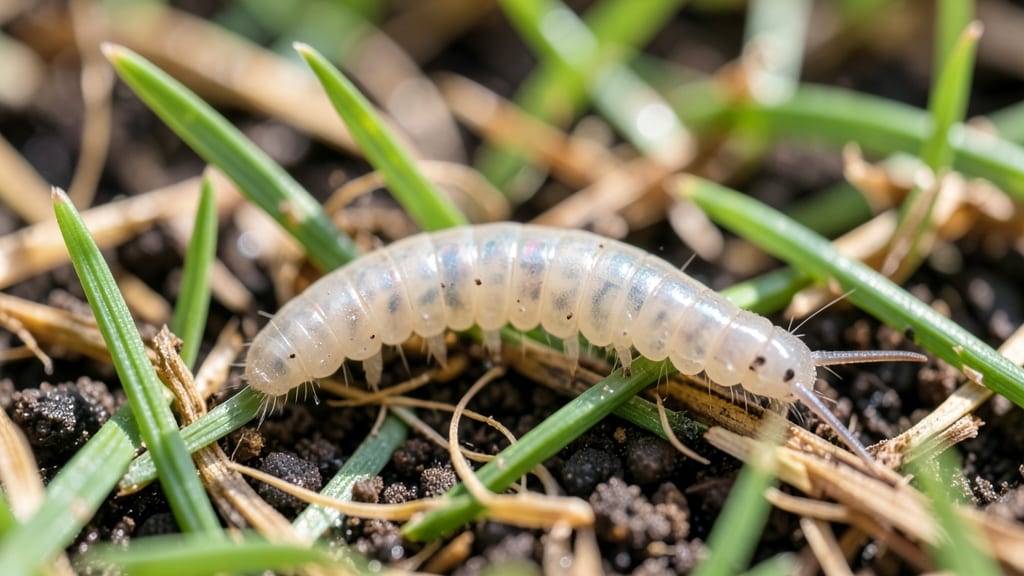
How to get rid of grubs in your lawn naturally—the silent saboteurs behind those stubborn brown patches—and diatomaceous earth paired with beneficial nematodes is the natural combo that actually works. 🌱 I’ve watched my lawn go from patchy and weak to thick and green again using this method, without a single chemical spray. The secret lies in starving the grubs while introducing their natural predators. You’ll need food-grade diatomaceous earth (not pool-grade!) and beneficial nematodes like Heterorhabditis bacteriophora—both available at garden centers. The process takes about 3-4 weeks to see results, but once you do, the grubs won’t stand a chance. The nematodes burrow into the grubs, while the diatomaceous earth dehydrates any survivors. What you’ll end up with is a lawn that stays vibrant green and resilient, even after heavy rain or drought. The best part? This method keeps working season after season, as long as you maintain healthy soil and repeat treatments in early summer and fall. Works for all lawn types, from shady backyards to sunny front yards. Here’s exactly how to do it—no chemicals, no guesswork, just results.
📚 In This Guide
- What you need
- Instructions
- Tips and common mistakes
- Wrapping up and next steps
What you need
- ● Food-grade diatomaceous earth (DE): 10–20 lbs (depending on lawn size). Look for 100% natural, untreated DE with a fine powder consistency (e.g., Safer Brand DE).
- ● Beneficial nematodes (Heterorhabditis bacteriophora): 5–10 million nematodes per 1,000 sq. ft. Choose a live, refrigerated product (e.g., NemaSeek or Grower’s Solution).
- ● Hose with spray nozzle: A fine mist setting for even DE application and a gentle stream for nematode distribution.
- ○ Garden trowel or hand fork: For aerating soil (optional but helpful for deeper grub access).
- ● Watering can or sprinkler: To hydrate the lawn post-treatment (nematodes need moisture to activate!).
- ● Protective gear: Nitrile gloves (DE can be abrasive to skin).
- ● Dust mask or respirator (to avoid inhaling DE particles).
- ● Long sleeves/pants (for skin protection).
- ● Milky spore powder: A long-term grub preventative (apply after nematodes).
- ● Compost or organic fertilizer: To boost lawn health post-treatment.
- ● Lawn aerator: For large lawns (rent or buy for deeper soil penetration).
- ● Spray bottle: For spot-treating small grub-infested areas with DE.
Step-by-Step guide to eliminating grubs naturally
Here’s how I’ve successfully banished grubs using organic methods that protect your lawn and the environment.
🌱 Step 1: Identify and Confirm Grub Presence
First, dig up a small section of lawn—about 4 inches deep—to check for grubs. Look for white, C-shaped larvae (½ to ¾ inch long) feeding on grass roots. If you find more than 5-10 grubs per square foot, treatment is necessary. I like to do this in early morning when soil is moist but not soggy—grubs are easier to spot.
If grubs are present, mark the area with flags or stakes so you can monitor progress after treatment. This helps track which spots need extra attention. Avoid treating the entire lawn if infestation is localized—focus on hotspots first to save time and materials.
💧 Step 2: Apply Diatomaceous Earth for Immediate Control
Sprinkle food-grade diatomaceous earth (DE) evenly over the infested areas using a spreader. Aim for 2-3 pounds per 1,000 square feet, working it into the top ¼ inch of soil with a rake. DE works by dehydrating grubs and other pests, but it must make direct contact with their bodies to be effective.
Water lightly after application to help the DE settle into the soil without clumping. Avoid heavy watering for 24 hours—this gives the DE time to work before being washed away. Reapply every 7-10 days until grubs are no longer visible in your soil checks. This method is safe for pets and kids once settled, but wear a mask when applying to avoid inhaling the fine powder.
☀️ Step 3: Introduce Beneficial Nematodes for Long-Term Prevention
Mix beneficial nematodes (Heterorhabditis bacteriophora) with water according to package instructions—typically 1-2 pounds per 1,000 square feet—and apply in the evening when temperatures are below 85°F. These microscopic worms seek out grubs, releasing bacteria that kill them within 24-48 hours. Water the lawn lightly before application to create a moist environment they thrive in.
Use a hose-end sprayer or watering can to distribute the nematode solution evenly. Cover the treated area with a thin layer of mulch or straw (¼ inch deep) to retain moisture and protect the nematodes from direct sunlight. Repeat the application every 4-6 weeks during grub season (spring to early fall) to maintain control. Nematodes are most effective in cool, damp conditions, so avoid applying during heatwaves.
✂️ Step 4: Monitor and Maintain Lawn Health
After treatment, continue checking for grubs every 2-3 weeks by digging small test sections. Healthy lawns recover faster, so overseed bare patches with grub-resistant grass varieties like tall fescue or Kentucky bluegrass. Water deeply 1-2 times per week to encourage strong root growth, which makes the lawn less appealing to grubs.
If you notice yellowing patches or spongy turf after treatment, it may indicate lingering grubs or fungal issues. In this case, aerate the lawn to improve soil oxygen and reduce future grub activity. Over time, combining DE and nematodes will create a balanced ecosystem that naturally suppresses grub populations without harsh chemicals.
Tips & tricks for natural grub elimination
These practical insights will help you maximize the effectiveness of your organic grub control methods while avoiding common pitfalls that waste time and effort.
Timing is Everything: The 24-hour window after applying diatomaceous earth is critical—this is when the DE makes direct contact with grubs and begins its dehydrating process. I recommend applying DE in the late afternoon so you can water lightly before sunset. This gives the DE maximum exposure time before potential evening rains. For nematodes, evening application below 85°F ensures they remain active and seek out grubs immediately rather than drying out.
Equipment Matters: Invest in a spreader for diatomaceous earth—it ensures even distribution and prevents clumping that reduces effectiveness. For nematodes, a hose-end sprayer is ideal because it creates a fine mist that penetrates the soil evenly. I've found that a simple garden rake works perfectly for working DE into the top ¼ inch of soil, but avoid metal rakes that can create static electricity which repels DE particles.
Monitoring Strategy: When checking for grubs in Step 1, focus on areas where you've noticed turf damage—these are prime grub hotspots. I like to use a small trowel to dig test sections in a grid pattern across the lawn rather than randomly. This systematic approach helps you track progress more accurately after treatments. Mark treated areas with biodegradable flags rather than plastic ones to avoid adding microplastics to your soil ecosystem.
Seasonal Considerations: Spring and early fall are the best times to treat for grubs because these are their peak activity periods. However, if you're dealing with a severe infestation, don't wait for perfect conditions—just be prepared to reapply more frequently. I've had success treating in late summer by focusing applications on cooler evenings and increasing the frequency to every 5-7 days until temperatures drop below 85°F consistently.
Pro Tips for Get Rid Of Grubs In Lawn Naturally
- These practical insights will help you maximize the effectiveness of your organic grub control methods while avoiding...
- Timing is Everything: The 24-hour window after applying diatomaceous earth is critical—this is when the DE makes dire...
- Equipment Matters: Invest in a spreader for diatomaceous earth—it ensures even distribution and prevents clumping tha...
Frequently asked questions
Got questions about tackling grubs naturally? You’re not alone—here are some of the most common concerns and straightforward answers to help you take action with confidence.
How long does it take to see results after using diatomaceous earth or nematodes?
With beneficial nematodes, you may notice a reduction in grubs within 2–4 weeks, depending on moisture and soil conditions. Diatomaceous earth (DE) works faster—often within 1–3 days—but requires reapplication after rain. Patience is key, especially if grubs are deeply embedded!
Can I use diatomaceous earth and nematodes together?
Yes! These two methods complement each other beautifully. Apply nematodes first (they seek out grubs underground), then sprinkle _DE_ on the surface for added protection. Just avoid mixing them directly—the nematodes need moisture to thrive, while DE can dry out too quickly.
Will natural methods harm my pets or kids if they play on the lawn?
Both diatomaceous earth and beneficial nematodes are pet- and child-safe once settled into the soil. However, avoid direct contact with _DE_ (it’s abrasive to lungs) and keep pets off the lawn for 24–48 hours after application. Always rinse off paws afterward for extra caution.
What’s the best time of year to treat grubs naturally?
Target late spring to early summer (when grubs are young and vulnerable) or fall (as they prepare to overwinter). Avoid treating during extreme heat or drought—nematodes need moisture to work, and DE loses effectiveness when dry. Early morning or evening applications work best!
My lawn still has brown patches after treatment. Did it fail?
Not necessarily! Brown patches can linger due to existing damage or thatch buildup. Reapply treatments if grubs persist, and consider aerating the soil or overseeding bare spots. If the problem returns, dig up a small section to check for live grubs—this confirms whether you need a second round of natural defenses.
Still stumped? Dig a test spot (1–2 inches deep) to see if grubs are the real culprit. If you spot white, C-shaped larvae, you’re on the right track!
Wrapping up and next steps
Getting rid of grubs in your lawn naturally doesn’t have to be a daunting task!
By combining diatomaceous earth and beneficial nematodes, you’re not only tackling the problem effectively but also promoting a healthier, chemical-free yard. 🌱 These methods are eco-friendly, budget-friendly, and safe for your family and pets—so you can feel good about the results while enjoying a lush, grub-free lawn.
Ready to take action? Start by applying your treatment plan this weekend and keep an eye on your lawn over the next few weeks. With consistency and patience, you’ll soon see those pesky grubs become a thing of the past! 💪