
Plants
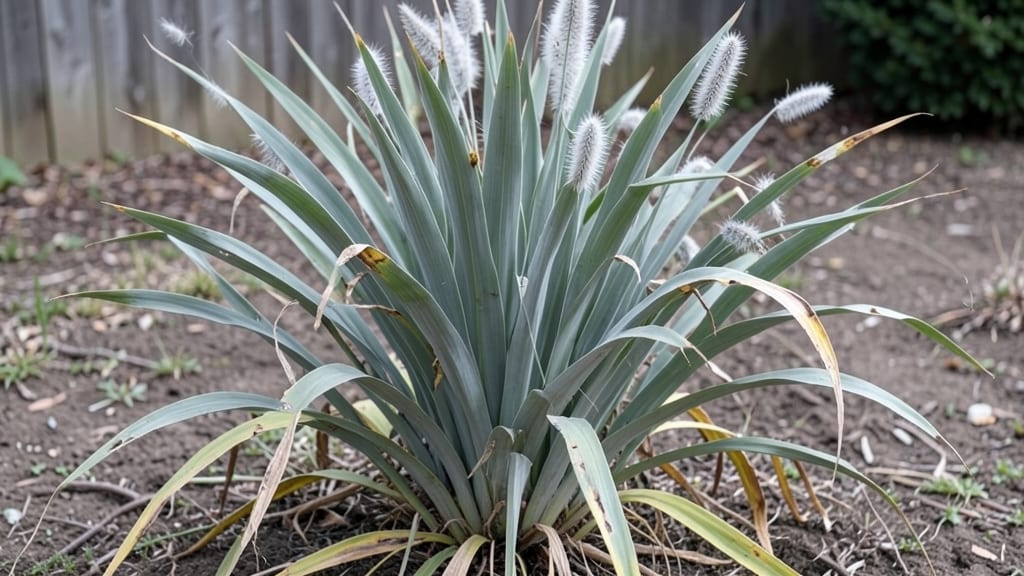
Growing a pampas grass tree 🌿 means adding a dramatic, low-maintenance centerpiece that thrives on neglect—once you get the basics right.
Imagine a plant that bursts with fluffy, cloud-like blooms all year long without the fuss of deadheading or constant pruning. The pampas grass tree (Cortaderia selloana) delivers exactly that: bold, architectural beauty with minimal maintenance.
But before planting, knowing its secrets—like soil preferences, sunlight needs, and hardiness—can mean the difference between a stunning statement piece and a struggling garden misfit.
This spring-planted grass loves full sun and well-draining soil, making it perfect for USDA Zone 6a and warmer climates. Whether you’re planting in spring or fall, the key is getting the spacing and watering right to avoid common pitfalls like yellowing leaves or sparse blooms.
In this guide, I’ll walk you through everything from soil prep to pruning techniques, so you can enjoy those showstopping plumes year after year with almost no effort.
Pampas grass tree care: soil, sunlight, and watering secrets for maximum blooms
The pampas grass tree thrives when you mimic its native South American habitat. This means prioritizing well-draining soil and full sun exposure to unlock its signature plume-like blooms.
Unlike fussy annuals, this ornamental grass rewards patience with year-round drama—but only if you nail these three critical growing conditions. Let’s break down the secrets to turning your pampas grass into a showstopper.
First, soil composition makes all the difference. Pampas grass despises soggy roots, so sandy loam or gravelly mixes are ideal. Amend heavy clay with compost and perlite to prevent root rot.
A slightly alkaline pH (6.5-7.5) also encourages vibrant growth. Think of it as giving your plant a dry, airy foundation—just like its natural environment.
The summary table below distills the essential growing conditions into actionable steps. Use this as your cheat sheet for planting and maintenance.
Now, let’s talk sunlight exposure. Pampas grass is a sun worshipper, craving 6+ hours of direct sunlight daily. In partial shade, you’ll notice sparse blooms and leggy growth.
For maximum plumes, plant it in a south-facing spot or near a west-facing wall. If you’re in a hot climate, afternoon shade can prevent leaf scorch during peak summer.
Watering is where many gardeners go wrong. Overwatering is the #1 killer of pampas grass, leading to yellowing leaves and root rot. Once established, this grass is drought-tolerant, so deep, infrequent watering is key.
Aim for 1–1.5 inches per week in spring/fall and bi-weekly deep soaks in summer. Always water at the base of the plant, not the foliage, to prevent fungal issues.
Your watering routine should shift with the seasons. In winter, reduce watering to monthly light soaks unless you’re in a frost-prone zone. Mulch around the base with gravel or bark to retain moisture and regulate soil temperature. This mimics the dry, windy conditions of its native pampas region.
If your pampas grass isn’t blooming as expected, check these three common culprits:
- Insufficient sunlight (move to sunnier spot)
- Poor soil drainage (amend with sand/compost)
- Over-fertilizing (stick to early spring feeding)
Blooms typically appear in late summer to fall, but healthy foliage is just as stunning year-round.
Pro tip: Divide mature clumps every 3–4 years to rejuvenate growth. This also prevents overcrowding, which can lead to weaker blooms. Use a sharp spade to separate sections in early spring and replant immediately.
With the right soil, sun, and watering, your pampas grass tree will reward you with fluffy, cloud-like plumes that dance in the breeze—all while requiring minimal upkeep. Now go forth and create your own dramatic garden statement! 🌿
How to plant and prune pampas grass tree for year-round drama
The pampas grass tree (Cortaderia selloana) thrives with the right planting strategy—whether you're tucking it into well-draining soil or a large container. Since it’s a sun-worshipper, choose a spot with 6+ hours of direct sunlight daily.
The best time to plant is early spring or fall, when temperatures are mild and roots can establish before extreme weather. If you're in USDA zones 7-11, you’re golden—just avoid planting in summer heat, which can stress young plants.
For ground planting, space 6-10 feet apart to allow mature plants to spread their dramatic plumes. If containers are your style, opt for 15+ gallon pots with drainage holes—these plants hate soggy roots.
Mix in compost or sand to improve drainage, especially if your native soil is clay-heavy. A slightly alkaline soil (pH 6.5-7.5) mimics its native South American habitat and encourages vibrant growth.
Planting Pampas Grass Tree: Step-by-Step
- Step 1: Choose the Right Spot Select a location with full sun exposure and well-draining soil. Avoid low-lying areas where water pools.
- Step 2: Dig the Hole Dig a hole twice as wide as the root ball but no deeper. Loosen the sides to encourage root spread.
- Step 3: Amend the Soil Mix compost or sand into native soil for better drainage. Avoid heavy amendments like peat moss.
- Step 4: Plant and Backfill Place the plant so the top of the root ball is level with the ground. Backfill with amended soil and water deeply.
- Step 5: Mulch and Water Apply 2-3 inches of mulch (avoid organic mulch too close to the base) and water thoroughly to settle the soil.
Pruning is where the year-round drama happens. After the first frost, cut back dead or brown plumes to the ground level—this encourages fresh, vibrant growth in spring. For container-grown plants, prune in early spring before new shoots emerge.
Skip pruning in winter unless your climate drops below 10°F, where you’ll need to cut back to protect the crown from freeze damage.
Fertilize lightly in early spring with a balanced 5-10-10 fertilizer to fuel new growth. Avoid heavy feeding in summer or fall, as this can lead to floppy stems or reduced blooms.
In drought-prone areas, water deeply but infrequently—once established, pampas grass is drought-tolerant but still appreciates occasional hydration during dry spells.
For cold climates (zones 6-7), protect young plants with mulch or burlap wraps in winter. Older plants can handle light freezes, but severe cold may cause dieback. In these cases, prune back damaged foliage in early spring and give it time to bounce back.
With the right care, your pampas grass tree will reward you with plume-filled drama for years to come.
Pro tip: If you’re growing in containers, elevate them slightly to prevent waterlogging. And remember—patience is key! It takes 2-3 years for pampas grass to reach its full 8-15 foot height, but the wait is worth the showstopping plumes.