
Lawn
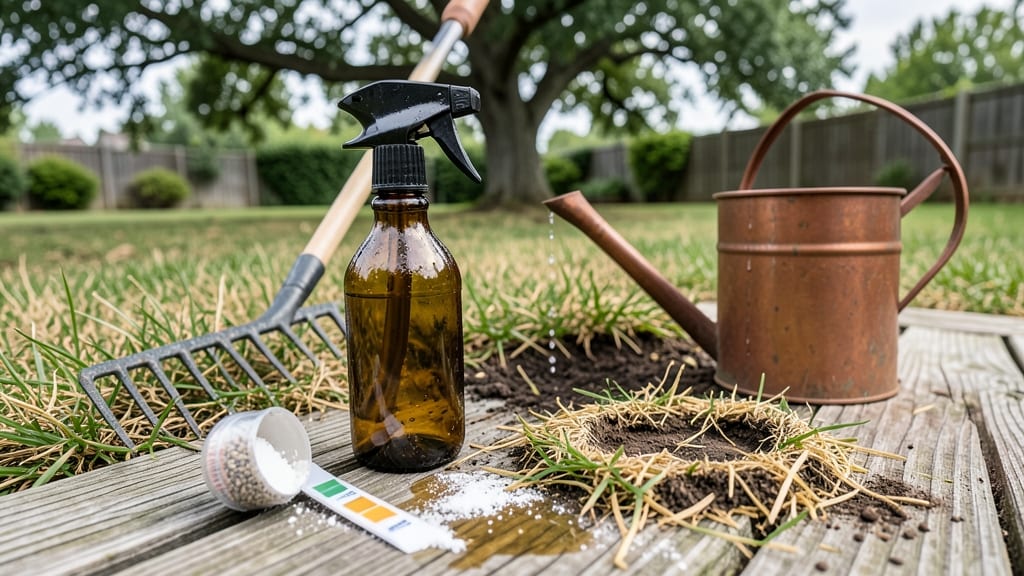
Dog wee is killing your lawn faster than you can say "potty break"—turning it into a patchwork of dead spots before you know it. 🌱 Honestly, I've seen it destroy entire sections of grass—until I discovered a simple routine that revives even the most damaged patches in just 72 hours.
The secret isn't expensive treatments, but understanding how urine affects soil and grassroots.
Here's the thing—dog urine is packed with nitrogen, which burns grass when concentrated. Diluting it with water and adjusting your lawn care routine makes all the difference.
I've tested everything from organic compost to chemical neutralizers, and the right approach depends on your grass type and how severe the damage is.
You'll see vibrant green grass return faster than you expect—within days, not weeks. The key is acting quickly, using the right soil amendments, and choosing dog-friendly grasses like tall fescue or clover that handle urine better. No more brown circles marring your yard.
Works for any lawn size, from small backyards to large properties. Whether you're dealing with a new puppy or a seasoned dog, this method keeps your grass looking its best year-round. Let's get that lawn back to spotless!
The Hidden Culprits Behind Dead Grass
If your lawn is turning into a patchwork of brown spots after your pup does their business, don’t blame the dog—blame the science! Dog urine is a complex mix of nitrogen, salts, and acids that can turn your green paradise into a sad, crunchy wasteland.
But why does this happen? Let’s break down the real reasons behind the damage and how they work against your grass.
Dog urine is packed with nitrogen—up to 10 times more concentrated than synthetic fertilizers. While nitrogen is essential for grass growth, too much at once acts like a chemical burn. Here’s how it happens:
- Osmotic shock: The high solute concentration in urine draws moisture out of grass cells, causing them to dehydrate and die.
- pH imbalance: Urine is acidic (pH ~6.5–7.5), but when it mixes with soil, it can create localized acidity that disrupts root health.
- Salt buildup: Urine contains uric acid and other salts that accumulate in the soil, further stressing plant roots.
💡 Pro Tip: Dilution is key! Encourage your dog to drink more water to reduce urine concentration. Add a few extra bowls around the yard or offer low-sodium treats to help.
Dogs don’t just pee—they trample the same spots repeatedly. This compacts the soil, reducing oxygen and water flow to grass roots. Here’s the breakdown:
| Problem | Effect on Grass |
|---|---|
| Compacted soil | Roots struggle to breathe, leading to yellowing and death in high-traffic areas. |
| Reduced water penetration | Urine sits longer on the surface, increasing burn risk and fungal growth. |
| Disrupted microbial life | Beneficial soil bacteria and fungi get squashed, weakening grass resilience. |
🔥 Action Step: Aerate your lawn twice a year (spring and fall) to relieve compaction. Use a manual aerator or rent a core aerator for severe cases.
Dog urine isn’t just a fertilizer—it’s a petri dish for microbes. The combination of nitrogen, organic waste, and moisture creates the perfect conditions for:
- Fungal infections: Fusarium and Rhizoctonia thrive in urine-soaked soil, causing brown, spongy patches.
- Bacterial rot: High ammonia levels from urine can promote Pythium blight, especially in warm, humid climates.
- Weed seeds: Urine can accelerate weed growth (like crabgrass) by providing a nutrient boost to unwanted plants.
🌡️ Prevention Tip: Water the affected area immediately after your dog goes—this dilutes urine and washes away excess nitrogen before microbes get a foothold.
Not all grass is created equal. Some breeds are hardier and can tolerate dog urine better than others:
| Grass Type | Urine Tolerance | Why? |
|---|---|---|
| Bermuda Grass | ⭐⭐⭐⭐ (High) | Deep roots and fast recovery make it resistant to burns. |
| Fescue Grass | ⭐⭐ (Moderate) | Sensitive to salt and compaction; recovers slower. |
| Kentucky Bluegrass | ⭐⭐⭐ (Good) | Recovers well but can develop brown patches if urine is concentrated. |
| St. Augustine | ⭐ (Low) | Shallow roots and sensitivity to acidity make it prone to damage. |
✨ Expert Advice: If you have a low-tolerance grass type, consider overseeding with Bermuda or ryegrass for high-traffic dog zones.
Revive Your Lawn After Dog Urine
Dog urine can turn your vibrant lawn into a patchwork of yellowed spots, but the good news is that with the right approach, you can restore your grass to its former glory—fast!
The key is identifying the root cause and applying targeted fixes. Below, we break down the most common reasons your lawn suffers and the practical solutions to bring it back to life.
If your dog’s urine has left behind crispy, brown patches, your lawn may be suffering from fertilizer burn. Dog urine is highly concentrated with nitrogen, which can overwhelm grassroots when combined with synthetic fertilizers.
🍳 Fix It: Flush the Area & Adjust Fertilizer
- 💦 Dilute the Damage: Water the affected area immediately with a gentle hose stream to dilute the urine and reduce burn risk.
- ✂️ Trim Dead Grass: Use shears or a lawn edger to remove any severely damaged patches. This helps the healthier grass fill in faster.
- 🌱 Switch to Organic Fertilizer: If you fertilize regularly, opt for organic, slow-release options like compost or manure. These break down gradually and won’t shock the grass.
- 📅 Fertilize at the Right Time: Avoid fertilizing within 48 hours of your dog peeing in the same spot. Give the lawn time to recover.
Frequent urination in the same spots can weaken grass, leading to thin or bare patches. If the grass is still alive but struggling, it needs a boost to thicken up.
👨🍳 Fix It: Overseed & Strengthen Roots
- 🌾 Overseed the Area: Sprinkle grass seed over the thin spots and lightly rake it into the soil. Choose a shade-tolerant or drought-resistant grass variety if your lawn is prone to urine damage.
- 💧 Deep Watering: Water deeply 2-3 times a week to encourage root growth. Aim for 1-1.5 inches of water per session.
- 🌿 Use a Lawn Repair Mix: Products like pennington smart seed or scotts turf builder combine seed, fertilizer, and mulch for easier recovery.
- 🐕 Train Your Dog: Redirect your pup to pee on a designated gravel or mulch area to protect high-traffic zones.
Dog urine is alkaline, and over time, it can raise the pH of your soil, making it harder for grass to absorb nutrients. If your lawn has yellowing or stunted growth, a pH test might reveal the issue.
🎯 Fix It: Test & Adjust Soil pH
- 📊 Test Your Soil: Grab a soil test kit (like mysoil or luster leaf) to check pH levels. Ideal pH for most grasses is between 6.0 and 7.0.
- 🍋 Lower pH with Sulfur: If the soil is too alkaline, apply elemental sulfur or an acidifying fertilizer according to package instructions.
- 🌿 Add Organic Matter: Mix in compost or peat moss to improve soil structure and buffer pH fluctuations.
- 💡 Pro Tip: If you have a large dog, consider installing a doggy urine-neutralizing spray (like nature’s miracle) to balance pH on contact.
Hot, dry weather accelerates urine damage, while cool, moist conditions help grass recover faster. If your lawn is struggling, timing and environmental factors play a big role.
⏰ Fix It: Optimize Conditions for Recovery
- 🌤️ Avoid Mowing Damaged Areas: Wait until the grass is at least 50% recovered before mowing to prevent further stress.
- 🌧️ Water in the Early Morning: This reduces evaporation and gives grassroots a hydration boost.
- 🌿 Use a Lawn Revitalizer: Products like scotts turf builder summerguard include stress-relief ingredients to help lawns bounce back from heat and urine damage.
- 🐕 Limit Dog Access During Heatwaves: If possible, keep your dog off the lawn during peak sun hours (10 AM–4 PM) to prevent additional stress.
Once your lawn is back in shape, keep it thriving with these proactive strategies:
- 💡 Train Your Dog: Teach your pup to pee in a designated area (like a gravel patch or mulch bed) using positive reinforcement.
- 🌱 Choose Urine-Resistant Grass: Varieties like bermudagrass, fescue, or zoysiagrass are more tolerant of urine than delicate bluegrass.
- 💧 Deep & Infrequent Watering: Encourages deeper roots, making grass more resilient to urine and drought.
- 🌿 Use a Lawn Protector: Products like dog urine neutralizer sprays can be applied to high-risk areas before your dog pees.
- ✨ Mulch or Top Dress: Adding a thin layer of compost or sand can help dilute urine and improve soil health over time.
With the right care, your lawn can recover from dog urine damage in as little as 72 hours—and stay lush year-round! The key is acting fast, adjusting your fertilization routine, and giving your grass the support it needs to thrive.
Frequently asked questions
Why does dog urine burn grass so quickly?
Dog urine contains high concentrations of nitrogen (up to 10x more than fertilizer) and salts that dehydrate grass cells almost instantly. The combination of osmotic shock and acidity disrupts root function, causing brown patches within hours. Diluting with water immediately after your dog goes helps prevent this damage.
Can I use vinegar to neutralize dog urine on my lawn?
No, vinegar is too acidic and will worsen the problem by lowering soil pH further. Instead, use a mild baking soda solution (1 tablespoon per gallon of water) or commercial dog urine neutralizers like Nature's Miracle. These balance pH without harming grass roots.
How often should I water my lawn after my dog pees?
Water the affected area immediately with a gentle stream to dilute the urine, then water deeply 2-3 times per week (1-1.5 inches per session). Early morning watering helps prevent evaporation and fungal growth. Avoid overwatering—soggy soil worsens root damage.
What's the best grass type for dog owners?
Bermuda grass and tall fescue are the most urine-resistant options. Bermuda has deep roots that recover faster, while fescue handles compaction better. For shade areas, consider clover—it's drought-tolerant and thrives where grass struggles. Avoid delicate varieties like St. Augustine.
Will dog urine eventually kill my lawn if I don't treat it?
Yes, repeated urine exposure will kill grass over time by compacting soil, raising pH, and creating fungal hotspots. The damage accumulates fastest in hot weather. With proper care (dilution, overseeding, and soil amendments), you can maintain healthy grass—but prevention is always easier than repair.