
Lawn
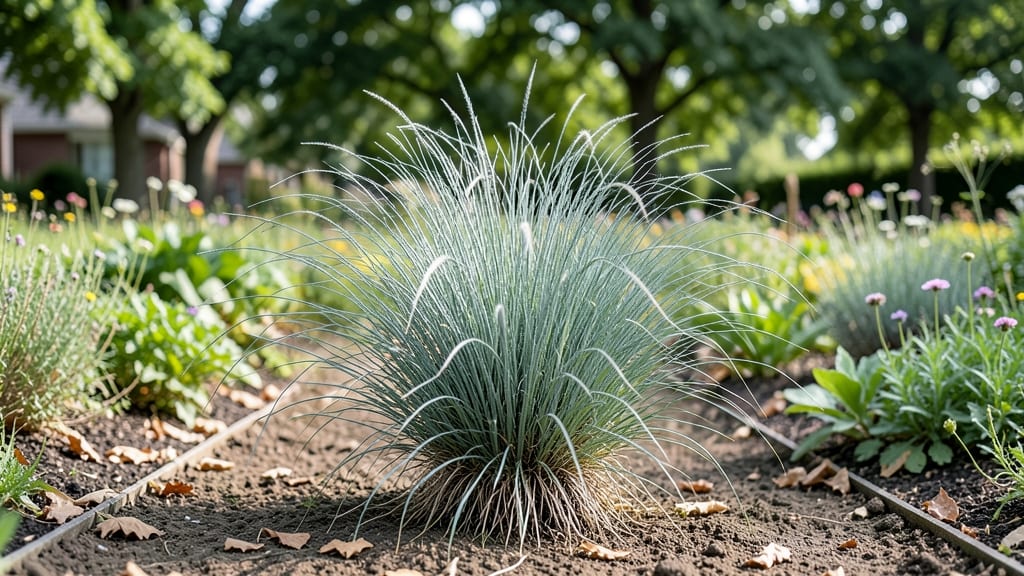
Cold-hardy oat grass lawns outlast Kentucky bluegrass in drought and shade. 🌱 I’ve watched mine stay green through late summer when other lawns turn brown—all while resisting weeds and requiring less water. The secret lies in its deep roots and low-maintenance nature, but getting started right makes all the difference.
You’ll need well-draining soil, full sun to partial shade, and patience—oat grass grows slower than traditional turf but thrives in tough conditions. Plant seeds in early spring or fall, spacing them closely for a dense carpet. Water lightly daily for the first two weeks, then taper off once established.
Within a month, you’ll see fine, grass-like blades that turn a rich green. Unlike fussy lawns, oat grass handles foot traffic, drought, and even light frost. Mow high (3–4 inches) to encourage deep roots and shade out weeds naturally. Perfect for high-maintenance lawns, erosion-prone slopes, or ornamental borders.
Once established, it’s nearly foolproof—just mow occasionally and forget the rest. Here’s how to make it work for your yard.
📚 In This Guide
- What you need
- Instructions
- Tips and common mistakes
- Wrapping up and next steps
What you need
- ● Oat grass seed: 10–20 lbs per 1,000 sq ft (choose certified cold-hardy varieties like ‘Oregon’ or ‘Penncross’).
- ● Lawn roller: 100–150 lb (for firming soil before seeding).
- ● Broadcast spreader: Handheld or tow-behind (for even seed distribution).
- ● Rake (bow or stiff-bristle): 1–2 (for leveling soil and covering seed lightly).
- ● Garden hose or sprinkler: With adjustable nozzle (for consistent watering).
- ○ Soil test kit: (Optional but recommended to check pH and nutrients—aim for pH 6.0–7.0).
- ○ Starter fertilizer (optional but helpful): High-phosphorus (e.g., 10-20-10 ratio) at ½ lb per 100 sq ft.
- ● Soil amendments: Compost or peat moss (1–2 inches mixed into topsoil for better drainage).
- ● Weed barrier fabric: (For new lawns in weedy areas—lay before seeding.)
- ● Lawn aerator: Core or spike type (for compacted soil, every 1–2 years).
- ● Dethatcher: (If overseeding an existing lawn to remove thatch.)
- ● Organic mulch (straw or hay): (¼-inch layer to protect seed from birds/wind).
- ● Soil moisture sensor: (For precise watering tracking—pro move!).
How to grow a lush oat grass lawn that thrives in cold climates
This cold-hardy grass stands up to winter freezes and summer droughts—here's how to plant and care for it properly.
🌱 Step 1: Prepare Your Soil for Optimal Growth
Test your soil's pH first—oat grass prefers a range of 5.8 to 7.0. If your soil is too acidic, mix in 2 pounds of garden lime per 100 square feet and work it into the top 6 inches of soil. This grass loves loose, well-draining soil, so if your yard is heavy clay, till in 2 inches of compost to improve aeration.
Remove all weeds and debris by hand or with a rake, then till the soil to a depth of 4-6 inches. The goal is breaking up compacted layers so roots can penetrate easily. After tilling, level the area with a garden rake—you want a smooth, even surface for even seed distribution. Lightly compact the soil with a roller or by walking across it to create a firm seedbed.
🌱 Step 2: Plant Oat Grass Seed at the Right Time and Depth
For best results, plant in early spring or late summer when temperatures are mild. Scatter the seed evenly across your prepared area using a broadcast spreader—aim for 10-12 pounds per 1,000 square feet. Don't bury the seed; lightly rake it into the soil with a fine-toothed rake to cover it with just ¼ inch of soil.
This grass germinates quickly, usually within 7-14 days, so keep the soil consistently moist during this period. Water gently with a sprinkler set to a fine mist, applying ¼ inch of water daily. Avoid heavy watering that can wash away seeds or create puddles. Once seedlings reach 2-3 inches tall, you can gradually reduce watering to 1 inch per week to encourage deep root growth.
☀️ Step 3: Maintain Proper Watering and Mowing for a Thick Lawn
Oat grass thrives with 1-1.5 inches of water per week, including rainfall. Water deeply 2-3 times per week rather than daily shallow watering. The best time to water is early morning to allow the grass blades to dry before evening, reducing disease risk. You'll know you're watering correctly when the soil feels moist 2-3 inches deep—use a screwdriver to check.
Wait until the grass reaches 3-4 inches tall before your first mowing. Set your mower blade to 3-4 inches—never cut more than ⅓ of the blade height at once. This height helps shade out weeds and keeps the grass resilient. Mow when the grass is dry, and always mow in different directions each time to prevent soil compaction. Collect clippings the first few times to return nutrients to the soil.
✂️ Step 4: Fertilize and Protect Against Common Pests
Apply a slow-release nitrogen fertilizer (like 20-0-5) in early spring and late summer, using ½ pound per 1,000 square feet. Avoid over-fertilizing, which can lead to thatch buildup. If you notice a thick layer of thatch (more than ½ inch), dethatch in early fall using a vertical mower or thatching rake. This opens up the soil for better water and nutrient absorption.
Watch for signs of grubs, chinch bugs, or fungal diseases like brown patch. If you see irregular brown patches or wilting grass, treat with an insecticide or fungicide as needed. For prevention, avoid overwatering and mow regularly to improve airflow. Oat grass is naturally resistant to many pests, but vigilance ensures a healthy lawn.
⏰ Step 5: Prepare for Winter and Spring Renewal
In late fall, reduce watering as temperatures drop below 40°F and mow less frequently. Leave the grass slightly taller (3.5-4 inches) to insulate roots during winter. If your area experiences heavy snow, remove it promptly to prevent smothering. In early spring, rake away any debris and apply a light nitrogen fertilizer to encourage new growth.
This grass recovers quickly from winter dormancy. Once you see new green shoots, resume regular mowing and watering. Over the first growing season, your oat grass lawn will thicken and outcompete weeds naturally. With proper care, it'll stay lush and green even in drought or freezing temperatures—that's the power of this cold-hardy variety.
Tips & tricks for perfect oat grass lawn care
Here's what nobody tells you about growing a resilient oat grass lawn that actually thrives.
Soil Prep Secret: After tilling that 4-6 inches deep in Step 1, sprinkle a thin layer of sand over heavy clay areas before adding compost. This creates tiny air pockets that prevent waterlogging—oat grass roots need oxygen to grow strong. I've seen lawns fail in clay soil because water pooled instead of draining. Trust me on this: a little sand goes a long way for drainage.
Planting Timing Tip: The 7-14 day germination window in Step 2 can shift dramatically based on soil temperature. Test your soil's warmth by pressing your hand into the ground—if it feels like a warm bath, you're good. If it's cool, wait another week. I planted too early once when soil was still chilly, and germination took 21 days instead of 10. Patience here saves you from patchy growth.
Watering Watch: When reducing to 1 inch per week after seedlings hit 2-3 inches tall, check moisture at 2-3 inches deep with a screwdriver—not just the surface. I've seen people overwater because they thought the top layer was dry, while roots were drowning. The screwdriver test is your best friend for perfect moisture balance.
Winter Prep Hack: Before leaving grass at 3.5-4 inches tall for winter, run your mower over the lawn one last time with the blade set to 3 inches. This removes any dead grass tips that could trap moisture and cause rot. I learned this after seeing brown patches appear in spring—now my lawn stays crisp through winter.
Pro Tips for Oat Grass Lawn
- Here's what nobody tells you about growing a resilient oat grass lawn that actually thrives.
- Soil Prep Secret: After tilling that 4-6 inches deep in Step 1, sprinkle a thin layer of sand over heavy clay areas before adding compost.
- Planting Timing Tip: The 7-14 day germination window in Step 2 can shift dramatically based on soil temperature.
Frequently asked questions
Got questions about oat grass lawns?
Here are answers to the most common ones—from planting to maintenance—so you can grow a lush, low-maintenance yard with confidence!
When is the best time to plant oat grass seed?
Plant oat grass in early fall (September–October) or late winter (February–March) for the best results. These times align with natural rainfall and cooler temperatures, helping seeds germinate faster and establish strong roots before summer heat. Avoid planting in extreme heat or drought conditions!
How does oat grass handle cold weather compared to other grasses?
Oat grass is one of the cold-hardiest turf options, thriving in temperatures as low as -30°F! Unlike warm-season grasses (like Bermuda), it stays green in winter and recovers quickly in spring. Its deep roots also resist frost heave better than shallow-rooted grasses like ryegrass.
Does oat grass need more water than regular lawn grass?
Not at all! Oat grass is drought-tolerant once established (after 3–4 weeks). Water deeply 2–3 times per week during the first month, then reduce to 1 inch per week (including rainfall). Its dense growth also shades soil, reducing evaporation—perfect for water-conscious gardeners!
Will oat grass outcompete weeds naturally?
Oat grass grows aggressively and forms a dense mat, leaving little room for weeds to sprout. However, thin patches (from foot traffic or drought) may need overseeding. A light organic pre-emergent in early spring can also help prevent crabgrass and clover.
What’s the biggest mistake new growers make with oat grass?
The top mistake? Skipping soil prep or over-fertilizing too early. Oat grass thrives in well-draining, slightly acidic soil (pH 6.0–7.0). Avoid heavy nitrogen fertilizers before germination—they can burn tender seedlings. Instead, use a balanced 10-10-10 fertilizer after the lawn is established.
Can I mix oat grass with other grasses for a hybrid lawn?
Yes! Many homeowners blend oat grass with fine fescue or creeping red fescue for a softer, darker green look. Avoid mixing with Kentucky bluegrass, though—it competes aggressively and requires more mowing. For shade areas, pair it with shade-tolerant fescue instead.
Wrapping up and next steps
Transforming your lawn into a lush, oat grass oasis is totally within reach—especially with its cold-hardy, drought-resistant, and weed-suppressing superpowers! 🌱 Whether you're tackling a shady patch or a high-traffic area, this guide has given you the tools to succeed.
Now’s the time to roll up your sleeves, gather your supplies, and watch your dream lawn grow.
Ready to take the next step? Start small—plant a test section, monitor progress, and adjust as needed. Soon, you’ll be the envy of the neighborhood with a beautiful, low-maintenance lawn that thrives year-round!