
Lawn
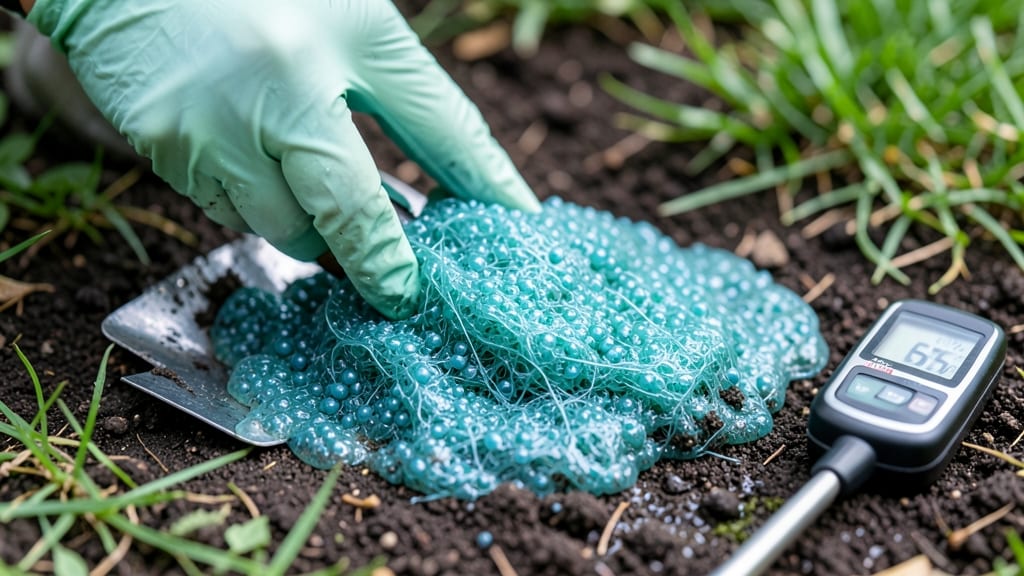
That blue-green slime creeping across your lawn isn't moss—it's nostoc, a stubborn algae that turns grass into a slimy eyesore. 🌱 I've battled it in my own yard, and the good news? You don't need harsh chemicals to reclaim your lawn.
The secret lies in understanding its love for damp, shaded spots and outsmarting it with simple, organic fixes. Nostoc thrives when grass struggles—think thin patches, poor drainage, or heavy shade. It's not actually harmful, but it crowds out grass roots and leaves your lawn looking sad and slippery.
The key to kicking it out? Improve air circulation, fix water issues, and give your grass a fighting chance with proper mowing and feeding. By mid-summer, you'll see nostoc shrinking as grass thickens. The trick is consistency: rake out clumps, adjust watering, and feed your lawn right.
It's not instant, but within 6-8 weeks, you'll have a lawn that looks healthy again—not a nostoc buffet. Works for any lawn type, from sunny backyards to shady patches. Let's get that grass back in charge!
Understanding Blue-Green Algae Growth
If your lawn has suddenly sprouted patches of blue-green, jelly-like growth, you’re likely dealing with Nostoc, a type of cyanobacterium (often mistaken for algae). While it may look like a pesky weed, Nostoc thrives under very specific conditions.
Understanding why it appears is the first step to managing—and even leveraging—it for a healthier lawn. Below are the key reasons behind its sudden takeover, explained clearly and actionably.
Nostoc is a water-loving organism, and when your lawn stays soggy for extended periods, it creates the perfect breeding ground. Unlike grass, which struggles in waterlogged soil, Nostoc thrives in:
- Compacted or clay-heavy soil – These soils hold water like a sponge, suffocating grass roots while giving Nostoc the moisture it craves.
- Frequent or heavy watering – Overwatering (especially in the evening) prevents soil from drying, creating a damp, anaerobic environment where Nostoc spreads rapidly.
- Poor drainage systems – Low spots, sloped areas, or lawns near downspouts trap water, turning patches into Nostoc hotspots.
Actionable fix: Test your soil’s drainage by digging a 6-inch hole and filling it with water. If it drains in less than 4 hours, you’re likely overwatering. For clay soil, amend with sand or organic matter (like compost) to improve aeration. If drainage is the issue, consider French drains or swales to redirect water.
Here’s the twist: Nostoc doesn’t just love water—it needs it after drought. When your lawn bakes under intense sun for weeks, grass weakens and Nostoc spores (which can lie dormant for years) reactivate the moment rain returns. This creates those sudden, explosive blooms after a dry spell.
Why? Nostoc is a pioneer species, meaning it’s one of the first organisms to recolonize disturbed or dry soil. If your lawn is already stressed (thin grass, poor nutrients), it’s even more vulnerable.
Actionable fix:
- ✅ Water deeply but infrequently (1–1.5 inches per week) to encourage deep root growth and reduce reliance on frequent surface moisture.
- ✅ Mulch your lawn with straw or wood chips to retain soil moisture without creating a soggy layer.
- ✅ Avoid letting grass go dormant—over-seed bare spots in late summer to outcompete Nostoc.
Nostoc is a nitrogen-fixer, meaning it can pull nitrogen from the air to grow—even in poor soil. But if your lawn is already starved for nutrients or overloaded with synthetic fertilizers, it creates the perfect imbalance:
- Low nitrogen – Grass struggles, while Nostoc thrives on the lack of competition.
- High phosphorus/potassium – Some fertilizers (especially high-P/K blends) can promote cyanobacteria growth by altering soil pH and microbial balance.
- Acidic soil (pH < 6.0) – Nostoc prefers slightly acidic to neutral conditions (pH 6.0–7.5). If your soil is too acidic, it weakens grass while favoring Nostoc.
Actionable fix:
- 🔬 Test your soil (DIY kits or local extension services) and adjust pH with lime (to raise pH) or sulfur (to lower pH).
- 🌿 Use organic fertilizers (like compost or manure) to slowly release nitrogen and improve soil health without disrupting microbial balance.
- 🚫 Avoid fast-release fertilizers in summer—they can burn grass and leave gaps for Nostoc to invade.
Construction, foot traffic, or heavy machinery can compact soil, crushing grass roots and creating bare spots. Nostoc latches onto disturbed areas because:
- It outcompetes slow-growing grass in recovering patches.
- Compacted soil holds more moisture near the surface, where Nostoc grows best.
- Exposed soil provides direct sunlight and nutrients for rapid colonization.
Actionable fix:
- 🛠️ Aerate compacted areas in spring or fall using a core aerator to relieve soil pressure.
- 🌱 Over-seed immediately after aerating with shade-tolerant or drought-resistant grass to outcompete Nostoc.
- 🚜 Reduce foot traffic on wet lawns to prevent further compaction.
Key takeaway: Nostoc isn’t just a random invader—it’s a symptom of lawn stress. By addressing moisture, nutrients, soil health, and competition, you can starve it out while creating conditions for a thicker, greener lawn. In some cases, it can even be harvested and used as natural fertilizer—but that’s a story for another section! 🌱
Quick fixes for blue-green lawn patches
Got unsightly blue-green patches ruining your lawn’s lush appeal? Don’t panic—nostoc (or blue-green algae) is often easier to manage than you think! Below are practical, step-by-step solutions tailored to the root causes, plus prevention tips to keep your grass thriving long-term.
If your lawn stays soggy or gets drenched too often, nostoc thrives in those damp conditions. Here’s how to dry it out and prevent recurrence:
1️⃣ Reduce Watering Frequency
- 💡 Pro Tip: Water deeply 2–3 times per week (early morning) instead of daily light sprinkles.
Aim for 1–1.5 inches per session—let the top 2–3 inches of soil dry between waterings. - ⏰ Schedule Check: Use a rain gauge or tuna can to measure water output. Overwatering is the #1 culprit for nostoc blooms!
2️⃣ Improve Soil Drainage
- 🔪 Aerate the Lawn: Rent a core aerator (or hire a pro) to poke holes in compacted soil.
This helps water drain faster and roots breathe. - 🌱 Top Dress with Sand: Mix coarse sand (like horticultural sand) into the top ½ inch of soil to improve drainage. Avoid clay-heavy soils—amend them with compost or gypsum.
3️⃣ Adjust Irrigation Systems
- 👨🍳 Fix Sprinkler Issues: Check for misaligned sprinkler heads or overwatering zones.
Use a sprinkler audit (place cups around the yard to measure output) to spot hotspots. - 🌧️ Smart Upgrades: Swap old sprinklers for soaker hoses or smart irrigation controllers that adjust based on weather forecasts.
Nostoc loves nutrient-rich, alkaline soils. Recalibrate your lawn’s chemistry to starve it out:
1️⃣ Test & Lower Soil pH
- 📊 DIY Test Kit: Grab a soil pH test kit (under $20) from a garden center.
Aim for a pH of 6.0–7.0—nostoc thrives above 7.5. - 🍋 Acidify Naturally: Sprinkle sulfur-based fertilizer (follow package rates) or mix peat moss into the topsoil. Avoid vinegar—it burns grass!
2️⃣ Avoid Over-Fertilizing
- ✨ Use Slow-Release Fertilizer: Switch to organic, slow-release options (like compost or bone meal) to prevent nitrogen spikes that feed nostoc.
- 🚫 Skip Weed & Feed: These products often contain high nitrogen, which nostoc loves. Opt for grass-specific feeds instead.
3️⃣ Boost Beneficial Microbes
- 💪 Microbial Treatments: Apply a lactic acid bacteria (LAB) spray or compost tea to outcompete nostoc. These good guys crowd out the algae naturally.
For stubborn patches, a hands-on approach works best—especially in small areas.
1️⃣ Scrape or Rake It Out
- 🔪 Physical Removal: Use a plastic scraper or stiff rake to pull up nostoc mats.
Dispose of them in the trash (don’t compost—it can spread!). - 🌱 Reseed Immediately: Fill bare spots with shade-tolerant grass seed (like fine fescue) or clover to prevent regrowth.
2️⃣ Apply Corn Gluten Meal
- 🌾 Pre-Emergent Barrier: Sprinkle corn gluten meal (a natural pre-emergent) over the lawn in early spring. It starves nostoc and weeds while feeding grass.
- 💡 Timing Tip: Apply 4–6 weeks before nostoc typically appears in your area.
3️⃣ Vinegar or Hydrogen Peroxide Spray (Spot Treatment)
- 💦 Spot-Kill with Vinegar: Mix 1 part white vinegar + 1 part water + 1 tsp dish soap in a spray bottle.
Test on a small patch first—it can bleach grass if overused. - 🧪 Hydrogen Peroxide Option: Spray 3% hydrogen peroxide (1:1 with water) on patches. It’s safer for grass but requires reapplication every 3–4 days.
Once you’ve banished nostoc, keep it from staging a comeback with these low-effort habits:
- 🌿 Mow High: Set your mower to 3–4 inches—taller grass shades out nostoc and holds moisture better. - 🌧️ Adjust for Rainy Seasons: If your area gets heavy rain, reduce watering by 30% to avoid soggy conditions. - 🍂 Fall Fertilization: Apply a low-nitrogen, high-potassium fertilizer in autumn to strengthen grass roots for next year. - 🔍 Monitor & Act Fast: Check your lawn weekly for early blue-green spots.
Catch it early = easier fixes!
Remember: Nostoc is a sign your lawn’s ecosystem is off-balance. By fixing drainage, pH, and watering habits, you’ll not only eliminate it but also grow thicker, healthier grass that outcompetes it naturally. 🚀
Frequently asked questions
Is nostoc actually harmful to my lawn or pets?
Nostoc isn't toxic to pets or humans, but it can harm your lawn by crowding out grass roots and creating slippery, unsightly patches. For pets, it's non-toxic, but the slimy texture might make them avoid the area. The real danger is its ability to spread rapidly in damp conditions, smothering your grass if left unchecked.
How can I tell if my lawn has nostoc vs. moss or algae?
Nostoc looks like thick, blue-green gelatinous mats that feel slippery when wet. Unlike moss (which stays green and fuzzy), nostoc turns jelly-like and can be peeled away in sheets. Algae usually appears as thin, green films, while nostoc forms distinct, raised patches. Check for these clues: nostoc smells earthy when dry and disappears when fully dehydrated.
Will vinegar really kill nostoc without damaging grass?
Vinegar can work for spot treatments, but it's risky for grass. Always mix 1 part white vinegar + 1 part water + 1 tsp dish soap and test on a small patch first. For larger areas, hydrogen peroxide (3% solution) is safer—spray it directly on nostoc patches every 3-4 days until it disappears. The key is precision: avoid healthy grass to prevent bleaching.
Can nostoc come back after I've removed it?
Yes, nostoc spores can survive for years in dormant form. To prevent recurrence, fix the root causes: improve drainage, adjust watering habits, and overseed bare spots. Apply corn gluten meal in early spring as a natural pre-emergent. With consistent lawn care, you can reduce nostoc by 80-90% within 2-3 months, but vigilance is key—especially after heavy rains.
Is there any benefit to having nostoc in my lawn?
While nostoc isn't beneficial for lawn health, it can indicate soil that's rich in organic matter. Some gardeners harvest it as a natural fertilizer (it's high in nitrogen). However, its invasive nature usually outweighs any potential benefits. If you must keep it, limit its spread by maintaining a thick, healthy lawn—this crowds out nostoc naturally over time.