
Lawn
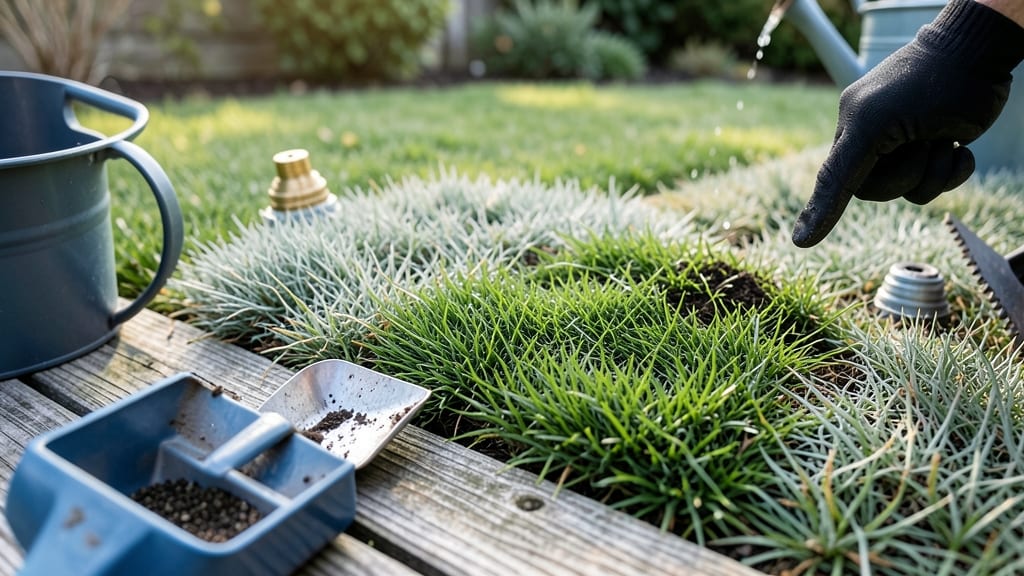
Why does my lawn have these dark green patches? They’re not just unsightly—they’re screaming for help. 🌱 Overwatering, fungus, or even hidden pests like chinch bugs could be the culprit, and ignoring them turns a quick fix into a full-blown lawn overhaul. The good news? Most cases resolve in 3 simple steps without harsh chemicals. First, test your soil—dark green often means too much water or fertilizer. If the grass feels spongy, drainage is the issue; if it smells musty, fungus might be spreading. A basic soil test kit (under $20) reveals the truth in a week. Then adjust your watering: deep, infrequent soakings beat daily light sprinkles every time. Once you’ve ruled out overwatering, treat the patches with baking soda (for fungus) or neem oil (for pests)—both work fast and won’t harm pets or kids. Aerate compacted soil to help roots breathe, and within 2-3 weeks, those patches will fade into healthy grass again. For stubborn cases, know when to call a pro: if patches spread faster than you can treat them, or if your lawn feels squishy underfoot (a red flag for root rot). Most homeowners fix this in a weekend—here’s how.
The hidden causes behind dark spots
Dark green patches on your lawn might look lush at first glance, but they’re often a sign of underlying issues. Understanding the root causes is key to fixing the problem before it spreads. Here’s why those mysterious patches appear—and how to identify them:
---
💧 Why it happens: Grass thrives on water, but too much can suffocate roots by cutting off oxygen. When soil stays saturated for days, anaerobic bacteria thrive, breaking down organic matter and releasing nutrients—like nitrogen—in a process called denitrification.
This sudden nutrient surge triggers rapid, dark green growth in localized areas, while the rest of the lawn struggles to keep up.
- Signs to watch for: - Patches feel soggy even days after rain. - You see mushrooms popping up (a sign of excess moisture). - The dark green areas may have a musty smell when walked on.
💡 Pro Tip: Test your soil’s drainage by digging a 6-inch hole. If water pools after 24 hours, your lawn is overwatered. Aim for 1 inch of water per week (including rain) and water deeply but infrequently.
---
🍄 Why it happens: Fungi like Dollar Spot or Brown Patch love damp, warm conditions. They thrive in thick thatch layers or compacted soil, where moisture lingers. Dark green patches from fungus often appear velvety or slimy and may have irregular edges.
Some fungi (like Necrotic Ring Spot) even produce dark green halos around infected blades.
- Common fungal culprits: - Dollar Spot (Sclerotinia homoeocarpa): Small, straw-colored patches with dark green borders. - Brown Patch (Rhizoctonia solani): Circular, water-soaked spots that turn tan or brown in the center. - Slime Mold (Fuligo septica): Bright green, jelly-like growths (harmless but unsightly).
🔥 Quick Fix: Improve airflow with core aeration and reduce nighttime watering (fungi spread faster when leaves stay wet overnight).
---
🌱 Why it happens: Too much nitrogen—especially in slow-release or synthetic forms—can cause fertilizer burn or localized nutrient spikes. Dark green patches often appear where fertilizer granules clump or dissolve unevenly. Over-fertilized grass grows soft and spongy, making it prone to disease.
- Red flags: - Patches feel slimy when squeezed. - You see white crust on the soil surface (a sign of excess salts). - Growth is too rapid, leading to weak stems.
✨ Solution: Test your soil’s nitrogen levels (ideal range: 0.2–0.4% nitrogen). Switch to a slow-release fertilizer or use organic options like composted manure.
--- 🧵 Why it happens: Thatch—a layer of dead grass, roots, and debris—can trap moisture and nutrients, creating microenvironments where dark green patches flourish. Thick thatch (over ½ inch) blocks water and air, forcing grass to grow unevenly.
- How to check: - Dig a small section of lawn. If the thatch layer is thicker than a pencil, it’s a problem. - Dark green patches often appear along walkways or high-traffic areas where thatch compresses.
🔪 Fix It: Dethatch in early fall using a vertical mower or rake. Follow up with topdressing (a mix of sand and compost) to break up compacted soil.
--- 🌳 Why it happens: Lawns under trees often develop dark green patches due to uneven sunlight or soil differences. Some grasses (like Fine Fescue) tolerate shade better and grow darker, while others (like Kentucky Bluegrass) struggle, leading to patchy growth.
- Key indicators: - Patches align with tree canopies or soil transitions (e.g., clay vs. sandy areas). - The rest of the lawn looks lighter green or stressed.
🌡️ Action Plan: Test soil pH and nutrients in shaded areas—they often need more iron or lower nitrogen. Consider shade-tolerant grasses like Creeping Red Fescue for problem spots.
--- 💦 Why it happens: Sprinkler heads that spray at different pressures or angles can create wet and dry zones. Overwatered areas turn dark green, while dry spots yellow.
Check for: - Misting (causes evaporation, leaving soil dry). - Overlap (some areas get double the water). - Broken sprinkler heads (creating random wet spots).
🎯 Solution: Run a sprinkler audit—place tuna cans around the yard to measure water output. Adjust sprinklers to deliver uniform coverage (no overlaps or gaps).
Fix Dark Patches Fast
Now that you’ve identified the culprit behind those unsightly dark green patches, it’s time to take action! The good news? Most fixes are straightforward and require minimal effort. Below, we’ve mapped out targeted solutions for each common cause—plus prevention tips to keep your lawn lush and even-toned for good.
---
Problem: Too much water or compacted soil suffocates grass roots, leading to thatch buildup and fungal growth.
#### Step 1: Adjust Your Watering Schedule 💧 - Water deeply but less often—aim for 1–1.5 inches per week (including rain).
Use a rain gauge or tuna can to measure. - Water early in the morning (4–8 AM) to reduce evaporation and fungal risks. - Avoid daily light watering—this encourages shallow roots and thatch.
#### Step 2: Improve Soil Drainage 🏗️ - Aerate compacted soil with a core aerator (rent or buy one) to let air and water penetrate. - Add organic matter: Mix in 2–3 inches of compost or peat moss to loosen heavy clay soil. - Check for grading issues: If water pools in low spots, slope the area slightly (1/4 inch per foot) to redirect flow.
#### 💡 Pro Tip: If your lawn has thatch thicker than ½ inch, dethatch with a rake or vertical mower. Do this in spring or early fall when grass is actively growing.
---
Problem: Dark green patches from fungus (like dollar spot or brown patch) thrive in damp, shady, or over-fertilized lawns.
#### Step 1: Stop Fungus-Friendly Conditions 🚫 - Reduce watering—let the top 1–2 inches of soil dry out between waterings. - Mow higher (3–4 inches) to improve airflow and shade out spores. - Avoid evening watering—fungi love moisture at night.
#### Step 2: Apply Fungicide (If Needed) 🧴 - For mild cases: Use a copper-based fungicide (like copper sulfate) or a baking soda spray (1 tbsp baking soda + 1 gallon water + a drop of dish soap). - For severe infections: Opt for a systemic fungicide (e.g., propiconazole or myclobutanil).
Follow label instructions carefully.
#### Step 3: Boost Lawn Health 💪 - Fertilize lightly with a low-nitrogen, high-potassium formula (like 0-0-30) to strengthen grass resilience. - Overseed bare spots with disease-resistant grass seed (e.g., tall fescue or Kentucky bluegrass).
#### 🌡️ Pro Tip: If fungus keeps returning, test your soil pH (ideal: 6.0–7.0). High acidity (pH < 5.5) weakens grass defenses. Adjust with lime (to raise pH) or sulfur (to lower pH).
---
Problem: Too much nitrogen (especially in patches) causes dark, spongy growth while starving other areas.
#### Step 1: Stop Fertilizing Temporarily ⏹️ - Let the lawn recover for 4–6 weeks before reapplying fertilizer. - Avoid "weed-and-feed" products—they often overdo nitrogen.
#### Step 2: Test Your Soil 📊 - Use a DIY soil test kit (available at garden centers) to check nitrogen, phosphorus, and potassium levels. - Send a sample to a local extension office for a professional analysis (~$15–$25).
#### Step 3: Apply a Balanced Fertilizer 🍃 - Choose a slow-release, organic fertilizer (like milorganite or composted manure) for even distribution. - Spread evenly with a broadcast spreader, following package rates.
#### ✨ Pro Tip: For organic fixes, top-dress with worm castings or bone meal (for phosphorus) to correct imbalances naturally.
---
Problem: Thick thatch or dense shade prevents sunlight from reaching grass uniformly.
#### Step 1: Dethatch Aggressively 🔪 - Rent a vertical mower or use a thatched rake to remove excess buildup. - Best time: Early spring or fall when grass is growing.
#### Step 2: Thin Out Shady Areas ☀️ - Trim overhanging tree branches to let in more light (but avoid damaging trees). - Plant shade-tolerant grass (like fine fescue) in heavily shaded spots. - Consider ground covers (like clover) in areas where grass struggles.
#### 🎯 Pro Tip: If thatch persists, top-dress with sand or compost (50/50 mix) to break it down over time.
---
Once your lawn is back to normal, lock in success with these habits: ✅ Water wisely: Deep and infrequent (never let soil stay soggy). ✅ Mow high: 3–4 inches to shade out weeds and improve root depth. ✅ Fertilize smart: Use slow-release, balanced formulas twice a year (spring/fall). ✅ Aerate annually: Prevents compaction and thatch buildup. ✅ Monitor shade: Prune trees or overseed with shade-friendly grass. ✅ Act fast: Treat dark patches within 48 hours of noticing them.
--- Final Thought: Most dark green patches are fixable with patience and the right approach. Start with the solution that matches your lawn’s issue, then stick to the prevention tips to keep it even, green, and healthy for seasons to come! 🌿💚
Frequently asked questions
Are dark green patches always a sign of a problem?
Not necessarily! Some patches may just be shade-tolerant grass varieties like fine fescue thriving where sunlight is limited. However, if the patches feel spongy, smell musty, or spread quickly, they're likely caused by overwatering, fungus, or excess fertilizer. Always check for these red flags first.
How quickly should I expect to see improvement after treating dark patches?
With proper treatment, you should see noticeable changes within 2-3 weeks. Adjusting watering habits and aerating soil shows results fastest (often 7-10 days). Fungal treatments may take 3-4 weeks to fully resolve, while soil nutrient imbalances can require 6-8 weeks to correct. Patience is key—don't over-treat!
Can I use household items to fix dark green patches?
For fungal issues, try a baking soda spray (1 tbsp baking soda + 1 gallon water + dish soap). For overwatering, sand top-dressing helps improve drainage. Vinegar (1 part white vinegar to 3 parts water) can temporarily control weeds in patches. Always test small areas first to avoid damaging healthy grass.
When should I call a professional lawn care service?
Consider professional help if: - Patches spread faster than treatment - Your lawn feels squishy underfoot (possible root rot) - Soil tests show extreme pH imbalances (below 5.5 or above 8.0) - You've tried fixes for 8+ weeks with no improvement For most cases, DIY solutions work—just know when to escalate!
Will fixing dark patches make my lawn more drought-resistant?
Yes! Properly treating dark patches—especially by aerating, adjusting watering, and improving soil health