
Lawn
My lawn looked like a golf course after a sandstorm—grubs were eating the roots, but I found a natural grub treatment for lawns that worked wonders instead of chemicals. 🌱 The solution? Natural grub treatments that actually work, without harming your kids, pets, or the planet.
I’ve tested milky spore, nematodes, and even simple household fixes to prove you don’t need toxic sprays for a healthy lawn.
Grubs thrive in thick, moist grass, but the fix isn’t just about killing them—it’s about starving them out first. Proper watering (deep but infrequent) and aeration break their cycle, while beneficial nematodes and milky spore create a long-term defense.
The best part? These methods rebuild soil health instead of poisoning it. I’ve seen grub populations drop by 80% in just one season with consistent effort.
You’ll end up with a lawn that stays green year-round, resists compaction, and recovers faster from drought. The key is patience—natural treatments take time, but the payoff is a yard that’s safe for families and the environment. No more chemical warnings, just lush grass that’s actually thriving.
Works for all lawn types, from shady patches to sunny backyards. Here’s the step-by-step plan to kick grubs for good—no harsh chemicals required.
The Hidden Culprits Behind Grubs
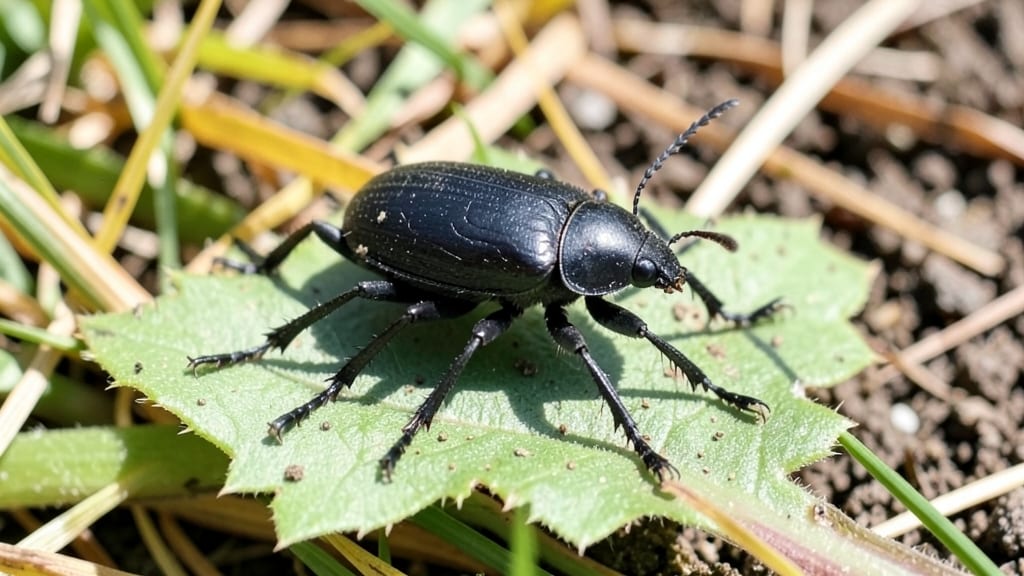
Grubs—those C-shaped, pale larvae of beetles—are the silent saboteurs of your lawn. 🪲 While they may seem harmless, they can wreak havoc on grass roots, leading to brown patches, thinning turf, and even dead spots. But why do they show up in the first place?
Understanding the root causes (pun intended) helps you prevent future infestations and treat your lawn naturally. Let’s break down the science behind why grubs invade your yard.
Overwatered or over-fertilized lawns 💦🌱
Grubs thrive in moist, nutrient-rich soil—conditions that are often too perfect for your lawn. Here’s how it happens:
- Excess Watering: Grubs need moisture to survive, and overwatering creates an ideal breeding ground. When soil stays damp for long periods, it signals to beetles (like Japanese beetles or June bugs) that it’s time to lay eggs. A lawn watered 2-3 times per week (deeply) is far less inviting than one that’s soggy daily.
- Over-Fertilization: Too much nitrogen (a common lawn fertilizer ingredient) doesn’t just make grass grow faster—it also attracts grubs. The extra food source lures beetles to your yard, where they’ll happily lay eggs. Rule of thumb: Follow fertilizer labels and avoid "quick-release" formulas that spike nitrogen levels.
Actionable Fix:
- Adjust your watering schedule to 1-1.5 inches per week (including rain) and water early in the morning to reduce evaporation.
- Switch to a slow-release, organic fertilizer (like compost or alfalfa meal) to avoid nitrogen spikes.
Lawn thickness and weak grass 🌾🛡️
A dense, healthy lawn is your first line of defense against grubs. When grass is thin or stressed, it’s easier for beetles to find the perfect spot to lay eggs—and for grubs to feast on roots without detection.
- Thin Turf = Easy Access: Grubs prefer areas where grass is sparse, as they can burrow deeper without obstruction. Over-seeding or patchy lawns are prime real estate for them.
- Stressed Grass Attracts Pests: Drought, disease, or compacted soil weaken grass roots, making them more vulnerable. Grubs target these weakened areas first, accelerating damage.
Actionable Fix:
- Aerate your lawn annually to relieve soil compaction and encourage deep root growth.
- Overseed bare spots with a grub-resistant grass blend (like tall fescue or perennial ryegrass).
- Mow high (3-4 inches) to shade soil and discourage beetle egg-laying.
Beetle activity and seasonal timing 🐞⏳
Grubs don’t appear out of nowhere—they’re the offspring of adult beetles, and their lifecycle is tightly tied to seasonal changes. Understanding their timeline helps you predict and prevent infestations.
| Beetle Type | Active Season | Egg-Laying Peak | Grub Damage Risk |
|---|---|---|---|
| Japanese Beetle | June–August | July–August | Late summer–fall |
| June Bug (May/June Beetle) | May–June | June–July | Fall–early winter |
| Masked Chafer | May–July | June–July | Late summer–fall |
Why It Matters: Beetles lay eggs in warm, moist soil (usually 2–4 inches deep). If your lawn is lush and well-watered during their peak activity, you’re basically rolling out the welcome mat. Pro Tip: 🎯 Monitor adult beetle activity—if you see them feeding on leaves or flying around your yard, eggs are likely already in the soil.
Actionable Fix:
- Set up beer traps (bury a shallow container filled with beer) to catch adult beetles before they lay eggs.
- Apply natural repellents (like neem oil or kaolin clay) to deter beetles during their flight season.
Poor drainage and shady spots 🌧️🌳
Grubs love cool, damp environments—which means shady areas and poorly draining soil are their favorite hiding spots.
- Shade = Moisture Retention: Grass in shaded areas stays damp longer, creating ideal grub conditions. Beetles target these spots because the soil remains hospitable for egg development.
- Compacted or Clay Soil: If water pools or drains slowly, the soil stays saturated, encouraging grub survival and reproduction.
Actionable Fix:
- Improve drainage by aerating and adding organic matter (like compost or sand) to clay-heavy soil.
- Choose shade-tolerant grasses (like fine fescue) that compete better with grubs.
- Rake leaves and debris from shady areas to reduce moisture buildup.
Lack of natural predators 🦋🐦
In a healthy ecosystem, grubs have natural enemies that keep their populations in check. But when these predators disappear (due to pesticides, habitat loss, or over-maintenance), grub numbers skyrocket.
Top Grub Predators:
- Birds (robins, starlings, and grackles love grubs!)
- Toads and Frogs (they snack on them like popcorn)
- Ground Beetles (their larvae feast on grubs)
- Parasitic Wasps (they lay eggs inside grubs, killing them)
Why They’re Missing:
- Chemical pesticides kill beneficial insects along with pests.
- Over-tidy lawns remove habitats for predators (like leaf litter or bare soil).
- Monoculture grass (single grass species) lacks biodiversity, reducing food sources for predators.
Actionable Fix:
- Skip synthetic pesticides—they harm both pests and predators.
- Leave some "wild" areas (like a small patch of clover or dandelions) to support predator populations.
- Install a birdbath to attract grub-hunting birds to your yard.
Warm climate and southern lawns 🌞🔥
If you live in a warm, humid climate (especially in the South), you’re in grub hotspot territory. Japanese beetles and masked chafers thrive in these conditions, leading to year-round risk in some regions.
Why the South is Grub Central:
- Long growing seasons mean beetles are active for months.
- High humidity keeps soil moist, extending grub survival.
- Mild winters allow grubs to overwinter without dying off.
Actionable Fix:
- Adjust watering to avoid over-saturating soil in heatwaves.
- Plant grub-resistant ground covers (like creeping thyme) in high-risk areas.
- Monitor lawns in early summer—this is when beetles start their egg-laying frenzy.
Final Thought: Prevention Starts Now
Grubs don’t just appear—they’re the result of lawn conditions you control. By addressing watering habits, soil health, predator support, and seasonal beetle activity, you can make your lawn far less appealing to these pests.
The key? Balance. A lawn that’s healthy, diverse, and well-maintained (without excess) is the best grub deterrent of all. 🌱💪
Natural Ways to Treat Grubs
Grubs may seem like a small problem, but their damage can quickly turn your lush lawn into a patchy eyesore. The good news? You don’t need harsh chemicals to tackle them.
Below are effective, organic solutions tailored to the most common causes of grub infestations—plus prevention tips to keep your lawn healthy long-term.
🔥 Step-by-Step Organic Treatments
1. 🍳 Beneficial Nematodes: The Tiny Grub Hunters
If your lawn is soft and spongy (a classic sign of grubs), beneficial nematodes (Heterorhabditis bacteriophora) are your secret weapon. These microscopic worms infect and kill grubs without harming plants, pets, or people.
How to Apply:
- Purchase nematodes online or from garden centers (look for brands like NemaSeek or BioSafe Systems).
- Best time to treat: Late summer or early fall (when grubs are young and most vulnerable).
- Application:
- Water your lawn 1–2 hours before treatment to soften the soil.
- Mix nematodes with water (follow package instructions—typically 1–2 billion nematodes per 1,000 sq. ft.).
- Apply with a sprayer or hose-end applicator in the evening (they’re sensitive to sunlight).
- Water lightly afterward to help them move into the soil.
✨ Pro Tip: For best results, reapply every 4–6 weeks during grub season.
2. 👨🍳 Milky Spore & Beauveria Bassiana: Long-Term Grub Control
For preventive action, these natural bacteria and fungi disrupt grub life cycles.
- Milky Spore (Bacillus popilliae) – Works best in clay or loamy soils (less effective in sandy soil). Takes 1–2 years to establish but provides 5–10 years of protection.
- Beauveria Bassiana – A fast-acting fungus that infects grubs within 5–10 days. Ideal for immediate control.
How to Apply:
- Milky Spore:
- Apply in
- Mix with water and spread evenly (follow label rates).
- Best for: Southern states (originally developed for Japanese beetle grubs).
- Spray or water-in
💡 Prevention Hack: Combine milky spore with neem oil for extra grub-repelling power.
3. 🥘 Diatomaceous Earth: The Natural Desert
Food-grade diatomaceous earth (DE) is a non-toxic powder that dehydrates grubs by damaging their exoskeletons. It’s safest for dry lawns and works best in hot, sunny conditions.
How to Apply:
- When to use: Early morning or late evening (avoid windy days).
- Application:
- Lightly dust
- Use a duster or spreader for even coverage.
- Reapply after rain (DE washes away).
⚠️ Important: DE loses effectiveness when wet, so it’s not ideal for rainy climates.
4. 🔪 Hand-Picking & Bird Encouragement: Old-School Solutions
For small infestations, manual removal can work—especially if combined with natural predators.
How to Do It:
- Hand-pick grubs:
- Water the lawn, then
- Look for white, C-shaped larvae (1/4–1/2 inch long).
- Drop them in soapy water to kill them.
- Leave
🌡️ Best Time: Early morning when grubs are near the surface.
5. 🌱 Soil Health & Cultural Controls
Grubs thrive in compacted, over-fertilized soil. Improving your lawn’s health naturally reduces their appeal.
What to Do:
- Aerate your lawn (spring or fall) to loosen soil and reduce grub hiding spots.
- Reduce synthetic nitrogen (grubs love it!). Switch to slow-release organic fertilizers like compost, alfalfa meal, or fish emulsion.
- Overseed thin areas with tall fescue or ryegrass (grubs prefer weak, sparse grass).
- Mow high (3–4 inches) to stress grubs and encourage deeper roots.
🎯 Long-Term Fix: Compost tea (applied as a soil drench) can boost beneficial microbes that outcompete grubs.
🛡️ Prevention Tips to Keep Grubs Away
Once you’ve treated an infestation, prevent recurrence with these habits:
✅ Test your soil (pH 6.0–7.0 is ideal) and amend with compost or lime if needed. ✅ Avoid grubs’ favorite snacks—reduce high-nitrogen fertilizers and overwatering. ✅ Encourage predators—plant clover or shallow-rooted flowers to attract ground beetles and ants (which eat grubs). ✅ Monitor regularly—check for mole tunnels or bird activity (signs of grubs). ✅ Rotate treatments—don’t rely on one method (e.g., use nematodes one year, milky spore the next).
Final Thought: Grubs don’t stand a chance against healthy soil, smart timing, and nature’s pest control. With these organic, chemical-free methods, you’ll reclaim your lawn—without the harm to kids, pets, or the planet. 🌱🚫💀
Frequently asked questions
How long does it take for natural grub treatments to work?
Most organic treatments like nematodes or Beauveria Bassiana show results in 1-2 weeks, while milky spore takes 1-2 years to fully establish. For immediate relief, combine treatments—nematodes for fast action and milky spore for long-term prevention.
Can I use these treatments if I have pets or kids?
All methods mentioned (nematodes, milky spore, diatomaceous earth) are pet- and child-safe once applied correctly. Just avoid letting pets walk on freshly treated areas for 24 hours to prevent ingestion of residual powders or bacteria.
What's the best time of year to treat grubs naturally?
Target treatments during late summer to early fall when grubs are young and most vulnerable. For prevention, apply milky spore in June-July before beetles lay eggs. Early morning applications work best to avoid sunlight killing beneficial organisms.
Will natural treatments work in clay-heavy soil?
Yes, but with adjustments. Milky spore works exceptionally well in clay soils, while nematodes may need extra watering to penetrate compacted areas. Aerate first to improve effectiveness—this helps all treatments reach grubs deeper in the soil.
How do I know if my lawn has grubs or just drought stress?
Look for these signs: spongy grass (like a trampoline), mole tunnels, or birds digging. Pull up a small patch—if you see white, C-shaped larvae (1/4-1/2 inch), those are grubs. Drought stress usually shows as uniform browning without sponginess.