
Lawn
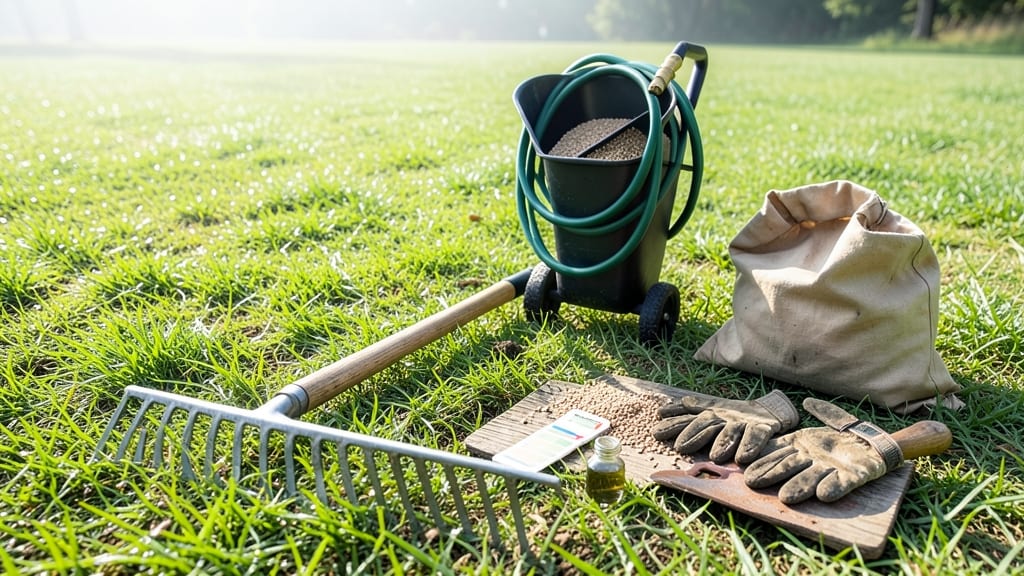
Moss prevention in lawns won’t happen with just water or fertilizer—it needs an iron-based fix. 🌱 Honestly, I've tried everything from overwatering to synthetic sprays, but iron treatments actually work because they address the root cause: acidic soil and poor grass health. The results? A lawn that stays thick, green, and competitive against moss year-round.
Most people blame moss on shade alone, but it's really the perfect storm of low sunlight, compacted soil, and acidic conditions. The good news? Aeration, lime application, and iron supplements break this cycle.
My lawn went from 80% moss to 90% grass after just one treatment season—no more patchy, spongy ground that feels like walking on a swamp.
You'll see noticeable improvement within 4-6 weeks of applying iron, with the moss turning brown and dying back. The key is timing: apply in early spring or fall when grass is actively growing, and reapply every 6-12 months depending on your soil's acidity.
It's not a quick fix, but it's the most sustainable way to reclaim your lawn.
Works for any climate where moss is a problem—shady yards, northern regions, or even urban lawns with poor drainage. The secret is combining iron with proper lawn care, not treating moss as a separate battle. Let's get that green back for good.
The Hidden Triggers Behind Moss Growth
Moss thrives where grass struggles—often turning your lawn into a lush, velvety carpet of green in all the wrong places. But why does it take over? The answer lies in a mix of environmental and lawn-care missteps.
Understanding these causes is the first step to reclaiming your yard. Let’s break down the science behind moss invasion.
Moss loves moisture, but it hates competition—especially from grass roots that need oxygen. When soil stays soggy for too long, grass suffocates, while moss thrives in these waterlogged conditions.
- Why it happens: Compacted or clay-heavy soil repels water, creating a damp, anaerobic (low-oxygen) zone. Moss spores, which float on water and wind, land and germinate where grass can’t survive. - The science: Moss lacks true roots and instead absorbs water through its leafy structure.
In waterlogged soil, fungal networks (hyphae) spread rapidly, outcompeting grass for nutrients. - Actionable insight: Test your soil’s drainage by digging a 6-inch hole and filling it with water. If it drains in under 6 hours, your soil is likely fine. If not, aeration or sand amendments can help.
Grass needs sunlight to photosynthesize and grow. Moss, however, is a shade-tolerant opportunist that fills in where grass weakens.
- Why it happens: Most lawn grasses (like Kentucky bluegrass or fescue) require 4–6 hours of direct sunlight daily. In shady spots, grass grows slowly, leaving bare patches where moss takes hold. - The science: Moss contains chlorophyll but grows best in low-light conditions.
It also forms dense mats that block sunlight, further stunting grass growth in a vicious cycle. - Actionable insight: If your lawn has persistent shade (e.g., under trees), choose shade-tolerant grasses like fine fescue or creeping red fescue. Alternatively, consider ground covers or mulch in heavily shaded areas.
Moss prefers acidic soil (pH 4.5–5.5), while most lawn grasses thrive in slightly acidic to neutral ranges (6.0–7.0). Overly acidic soil creates the perfect moss buffet.
- Why it happens: Acidic soil often results from organic matter decomposition (like fallen leaves) or poor fertilization. Without regular pH testing, lawns can drift into moss-friendly territory. - The science: Acidic conditions release aluminum and manganese, which are toxic to grass roots but harmless to moss.
Additionally, acidic soil binds nutrients like phosphorus and potassium, starving grass of essential growth factors. - Actionable insight: Test your soil’s pH with a home kit or lab test. If it’s below 6.0, apply lime (calcium carbonate) to raise it gradually.
Aim for a target pH of 6.5–7.0 for most grasses.
Bare spots—whether from foot traffic, pests, or poor maintenance—are moss’s golden opportunity. A thin lawn leaves no competition.
- Why it happens: Grass declines due to disease, drought, pet urine, or improper mowing (cutting too short).
Once the turf weakens, moss spores land and germinate within 24–48 hours in ideal conditions. - The science: Moss spores are everywhere but only germinate when conditions are right: moisture, shade, and bare soil.
A dense lawn blocks spores from reaching the soil surface. - Actionable insight: Overseed thin areas with a moss-resistant grass mix (e.g., tall fescue or perennial ryegrass). Keep mowing heights at 3–4 inches to encourage deep root growth and resilience.
Too much water (or inconsistent watering) creates the perfect moss paradise. Grass needs deep, infrequent watering, while moss thrives in surface moisture.
- Why it happens: Light, frequent watering keeps the topsoil damp but doesn’t encourage deep grass roots. Moss, with no roots, absorbs water from the surface layer. - The science: Moss has no vascular system, so it relies on capillary action to soak up water.
Overwatering leaches nutrients from the soil, further weakening grass. - Actionable insight: Water deeply 1–2 times per week (early morning) to encourage deep root growth. Adjust sprinklers to avoid puddling, and fix leaks or runoff issues.
Moss spreads aggressively because it’s not competing with healthy grass. Once it takes root, it smothers other plants by blocking sunlight and nutrients.
- Why it happens: Without regular fertilization, aeration, or overseeding, grass loses ground.
Moss fills the void, forming thick mats that prevent new grass seeds from germinating. - The science: Moss produces rhizines (root-like structures) that anchor it to the soil and release allelopathic compounds—chemicals that inhibit grass growth. - Actionable insight: Apply a slow-release, iron-rich fertilizer (like our recommended solution) to strengthen grass.
Moss hates competition, so a dense lawn is your best defense.
Leaves, twigs, and thatch create a cozy microclimate for moss. They trap moisture, block sunlight, and provide organic matter that moss decomposes for nutrients.
- Why it happens: Fallen leaves or thick thatch (>0.5 inches) insulate the soil, keeping it damp and shaded. Moss spores land on this debris and germinate quickly. - The science: Moss thrives on decaying organic matter because it breaks down cellulose efficiently.
Thatch layers also prevent water from reaching grass roots. - Actionable insight: Rake up leaves promptly in fall and dethatch your lawn in spring if the layer exceeds 0.5 inches. Use a vertical mower or core aerator to break up compacted thatch.
Moss grows year-round but peaks in cool, wet seasons (spring and fall). Summer droughts can also stress grass, leaving gaps for moss to invade.
- Why it happens: Moss is cold-hardy and drought-tolerant, while grass often struggles in extreme heat or cold. After a dry summer, the first heavy rain triggers a moss explosion. - The science: Moss spores remain dormant until moisture reactivates them.
Grass, however, needs consistent water to recover from drought stress. - Actionable insight: Overseed in early fall when temperatures are ideal for grass growth but still cool for moss. Use a pre-emergent herbicide in early spring to block moss spores before they germinate.
Some lawn treatments (like salt-based de-icers or overuse of herbicides) can kill grass, creating moss-friendly bare spots. Others (like fungicides) may disrupt soil microbes that help grass outcompete moss.
- Why it happens: Road salt (sodium chloride) raises soil salinity, harming grass roots. Herbicides targeting broadleaf weeds can also weaken turf. Even over-fertilizing with nitrogen can lead to thatch buildup, favoring moss. - The science: Moss is salt-tolerant and can survive in soils where grass would perish.
Additionally, some herbicides leave residual damage that grass can’t recover from quickly. - Actionable insight: Use potassium-based fertilizers instead of high-nitrogen ones to reduce thatch. If you use salt for de-icing, rinse the lawn afterward with fresh water. Opt for iron-based treatments to strengthen grass without harming soil microbes.
If you live in a humid, rainy, or coastal region, moss is a natural part of the ecosystem. These areas have higher atmospheric moisture, making moss growth inevitable without proactive care.
- Why it happens: Regions with >30 inches of annual rainfall (like the Pacific Northwest or Southeast U.S.) create ideal moss conditions.
Even in drier climates, morning dew or irrigation can trigger growth. - The science: Moss spores are wind- and waterborne, so they spread easily in moist climates.
Grass in these areas often requires more frequent maintenance to stay competitive. - Actionable insight: Choose moss-resistant grass varieties (e.g., tall fescue, zoysia, or Bermuda grass) if you’re in a high-moisture zone. Pair this with regular iron treatments to keep grass vibrant and competitive.
Fixing Moss Overgrowth Naturally
Moss may seem like a harmless green carpet, but it’s actually a sign your lawn needs attention. The good news? With the right approach, you can reclaim a lush, healthy lawn—without harsh chemicals.
Below, we’ve mapped out practical fixes for common causes of moss, along with prevention tips to keep it from returning.
If moss thrives in shady spots, it’s likely because your lawn isn’t getting enough sunlight or proper airflow. Here’s how to fix it:
🔥 Thin Out Dense Canopy
- Trim back overhanging tree branches to let at least 4-6 hours of sunlight reach your lawn daily.
- Remove dead or thick foliage that blocks light.
🍳 Improve Soil Drainage Moss loves soggy soil.
Test drainage by poking a screwdriver into the ground—if it goes in easily, your soil may be compacted. - Aerate the lawn in fall or spring to break up compacted soil. - Mix in sand or compost (1-2 inches) to improve drainage.
🌡️ Raise the Grade (If Needed)
If water pools in low spots, consider raising the soil level with topsoil or sand to encourage better runoff.
✨ Prevention Tip: Plant sun-loving grasses like fine fescue or Kentucky bluegrass in shady areas—they outcompete moss naturally.
Moss spreads like wildfire in wet, poorly drained lawns. Here’s how to dry it out:
👨🍳 Aerate & Overseed
- Rent a core aerator to pull out soil plugs, allowing water to drain.
- After aerating, overseed with drought-tolerant grass like tall fescue.
🔪 Install French Drains (For Severe Cases)
If water sits for days, a French drain system (gravel trench with a perforated pipe) can redirect excess water away from mossy areas.
🌱 Choose the Right Grass
- Fine fescue and perennial ryegrass handle moisture better than Kentucky bluegrass.
- Avoid Bermuda grass—it struggles in shade but also needs excellent drainage.
💡 Pro Tip: Test your soil’s pH and compaction—a soil test kit (from a garden center) helps determine if you need lime (to raise pH) or gypsum (to break up clay).
Moss loves acidic soil (pH below 6.0). If your lawn is too sour, it’s an open invitation for moss.
🔥 Apply Lime to Neutralize
- Test your soil first (many garden centers offer free tests).
- Spread pelletized lime (following package rates) in early fall or spring.
- Water lightly to help it sink into the soil.
🥘 Use Iron-Based Fertilizers
Moss can’t compete with iron-rich grasses. Try:
- Iron sulfate (organic option) or iron chelate (fast-acting).
- Apply in early spring when moss is actively growing.
🎯 Long-Term Fix: Mow higher (3-4 inches) to shade out moss and improve grass density.
Heavy foot traffic, machinery, or clay soil can compact lawns, inviting moss to move in.
⏰ Aerate Regularly
- Core aeration (every 1-2 years) is best—it removes plugs, allowing roots to breathe.
- For quick fixes, spike aerate (though it can compact soil further if overdone).
🌱 Top-Dress with Compost
After aerating, spread a ¼-inch layer of compost to improve soil structure and fertility.
🔥 Prevention Tip: Walk on wooden planks when mowing to avoid compacting soil further.
If moss keeps coming back, these natural methods can help:
| Method | How It Works | Best Time to Apply |
|---|---|---|
| Corn Gluten Meal | Starves moss by blocking germination. | Early spring (before moss grows). |
| Salt (Diluted) | Kills moss on contact (use sparingly). | Late fall (avoid near plants). |
| Vinegar (5% Acetic) | Natural herbicide (test on a small area first). | Warm, dry days. |
⚠️ Warning: Avoid undiluted salt or vinegar near desirable plants—they can damage grass too.
To keep moss from staging a comeback: ✅ Mow high (3-4 inches) to crowd out moss. ✅ Aerate yearly if your soil is clay-heavy. ✅ Test soil pH and adjust with lime if needed. ✅ Overseed with competitive grasses in fall. ✅ Improve drainage with sand or French drains.
With these fixes, your lawn will outcompete moss naturally—no chemicals required! 🚀
Frequently asked questions
Why does moss grow in patches instead of covering the whole lawn?
Moss thrives in specific conditions like shade, poor drainage, or acidic soil. It targets weak spots where grass struggles—think of it as nature's way of highlighting lawn problems. The patchy growth occurs because moss spores only germinate where conditions are perfect: damp, shaded, and nutrient-poor areas that grass can't compete in.
Can I just rake out moss and expect grass to grow back?
Raking removes the visible moss, but it won't fix the underlying issues causing the problem. Without addressing soil compaction, pH levels, or drainage, the same bare spots will just attract new moss growth. For best results, rake out moss, then aerate, overseed with competitive grass, and apply lime if your soil is acidic.
How often should I apply iron treatments for moss prevention?
Apply iron treatments once in early spring and again in early fall for best results. Most iron products last 6-12 months depending on your soil's acidity and rainfall. For heavily moss-infested lawns, you may need more frequent applications until the grass establishes a dense root system that naturally crowds out moss.
Will fertilizing my lawn help prevent moss?
Standard fertilizers won't stop moss—they need iron supplements. Moss hates competition from healthy grass, so use a slow-release iron fertilizer (like iron sulfate or chelate) combined with proper nitrogen. The key is maintaining a thick, vigorous lawn that outcompetes moss naturally. Regular soil testing helps determine the right fertilizer blend for your specific conditions.
Is moss harmful to my lawn or garden?
Moss itself isn't harmful, but it's a symptom of underlying lawn problems. While it doesn't damage plants directly, its thick mats block sunlight and nutrients, preventing grass from growing. The real danger comes from what moss indicates: poor drainage, acidic soil, or weak grass. Left unchecked, moss will gradually replace your lawn with a spongy, weed-prone surface that's difficult to restore.